Grass pavers are applied in many projects ranging from residential garden yards, parks, sidewalks, to parking lots… Beautiful and affordable grass paver models: figure-8 pavers, 8-hole pavers, 2-hole pavers.
FLOOR TILES
GRASS PAVERS
Grass pavers are one of the popular building materials, not only helping protect the yard against erosion but also bringing a green space close to nature. So what are the advantages of this type of tile? Which supplier currently offers beautiful and affordable grass block paver models on the market?
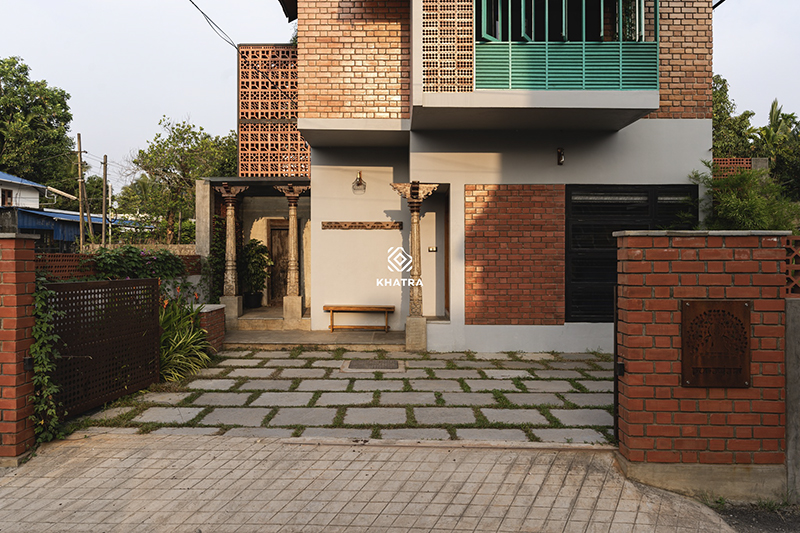
300×600 grass pavers for garden paving
1. Introduction to grass pavers
Currently, the trend of bringing green elements into homes is very popular; therefore, faux-grass courtyard paving tiles offer higher aesthetic value compared to traditional concrete pavers and are gradually replacing older tile models. Grass pavers not only appear in ordinary residential gardens but are also used in parks, sidewalks, and parking lots to create green landscapes.
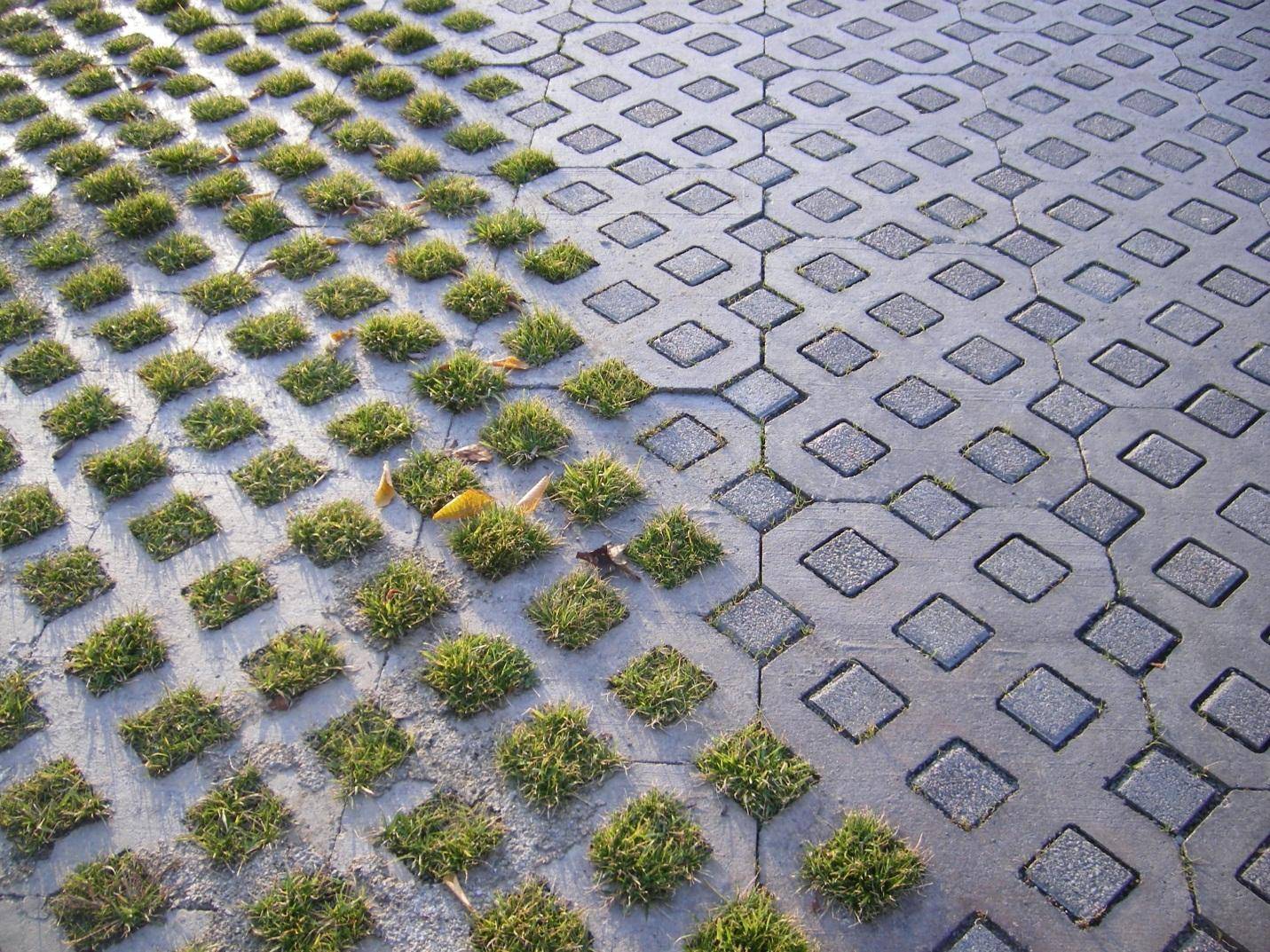
Grass pavers for garden paving
In addition, grass pavers also feature many outstanding advantages such as:
- Quick installation time: This type of paver is lightweight with neat square edges. The paving and planting process is simple, saving time and costs.
- High load-bearing capacity: Grass pavers are made from concrete with a stable structure, providing good load-bearing capacity, resistance to cracking, and long-term durability.
- Good heat resistance: Due to a low heat absorption index, grass pavers provide effective thermal insulation. Particularly suitable for tropical climates like Vietnam.
- Creates a refreshing green space: Interspersed between the gray concrete patterns are green blades of grass, creating an impressive space close to nature.
2. Popular types of grass pavers
There are currently many types of grass pavers on the market with various designs, patterns, and sizes to meet every family’s needs. Let’s explore the popular cement grass pavers today to make the best choice for your project.
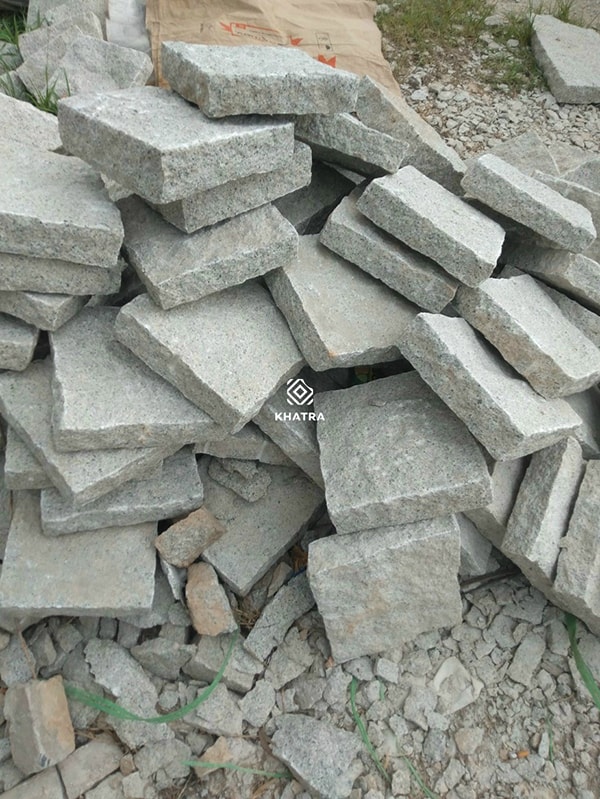
Stone-look grass pavers
2.1. 8-hole grass pavers
8-hole grass pavers are designed as a block with 8 hollow holes, creating suitable spaces for growing grass. The common size for this type of paver is 390x260x85 mm, with a rough and slightly textured surface. This line of pavers is commonly used for paving gardens, sidewalks, car parking lots…
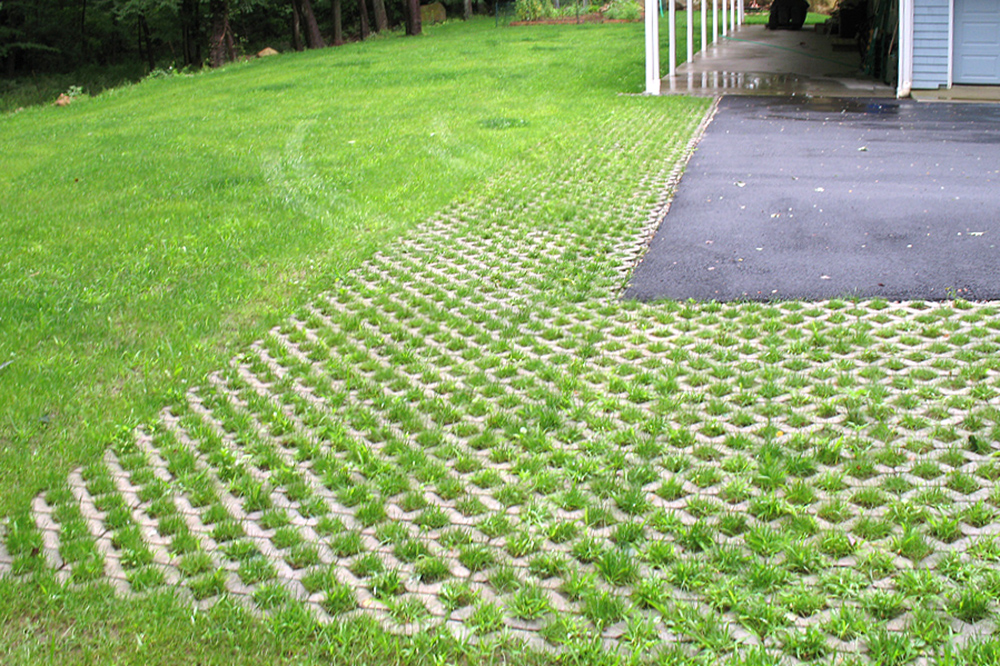
8-hole grass pavers
2.2. Grass block pavers
Grass block pavers, also known as figure-8 grass pavers or 2-hole pavers, usually feature the natural gray color of cement with 2 hollow holes for planting grass. Designing grass planting for residential gardens with this type of paver brings natural beauty and open ventilation to garden spaces and pathways.
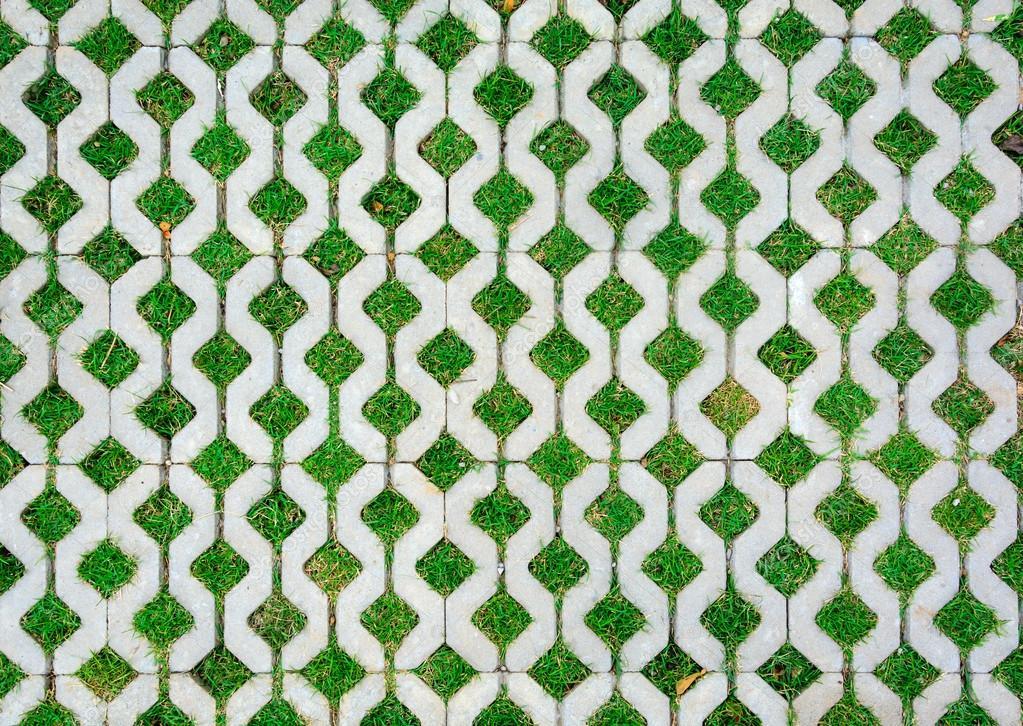
2-hole grass pavers
2.3. 5-hole concrete grass pavers
This paver line features outstanding characteristics such as high durability, good hardness, effective sound insulation, low water absorption with 5 hollow holes. High-grade material withstands harsh weather, is eco-friendly, budget-friendly, and suitable for diverse uses from standard to upscale projects.
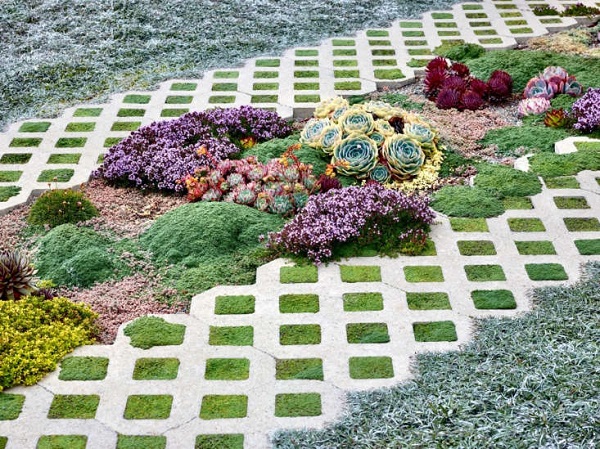
5-hole grass pavers
2.4. Other types of grass pavers
In addition to the popular 2-hole, 5-hole, and 8-hole grass pavers, there are other creative grass paver designs such as coin pavers, hexagonal pavers, circular pavers… offering fresh and unique looks for your yard.
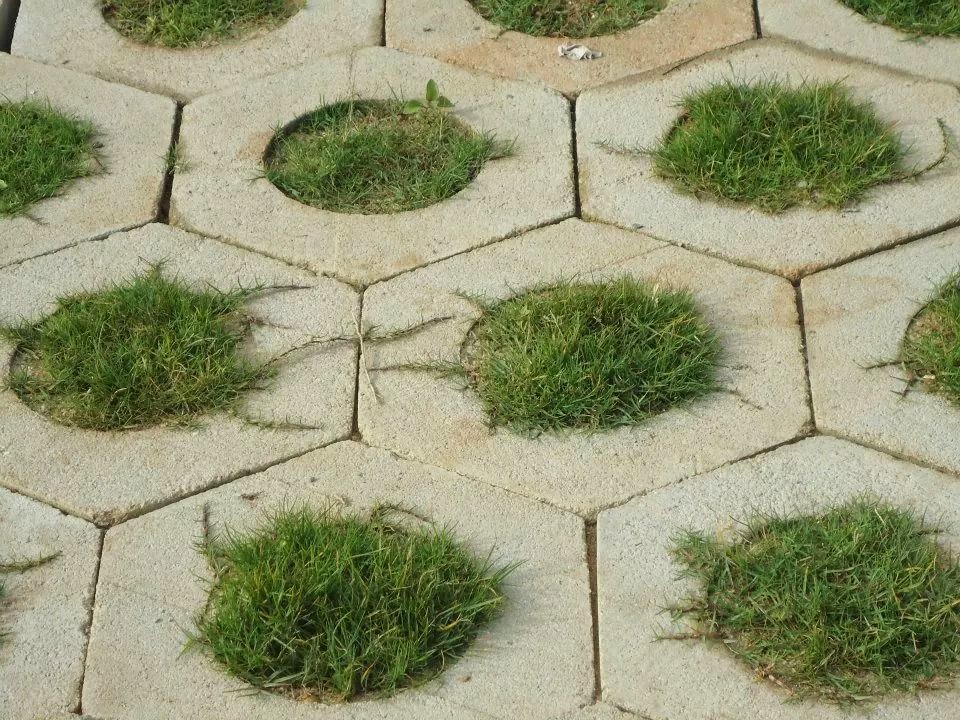
Hexagonal grass pavers
3. Guide on how to DIY lay grass pavers
Laying grass pavers is quite simple, but without understanding the process, it can cost a lot of time and effort. If you are planning to lay pavers yourself at home for the experience and to save costs, check out the step-by-step instructions below. The paving stage must follow the proper procedure to ensure high durability and aesthetics.
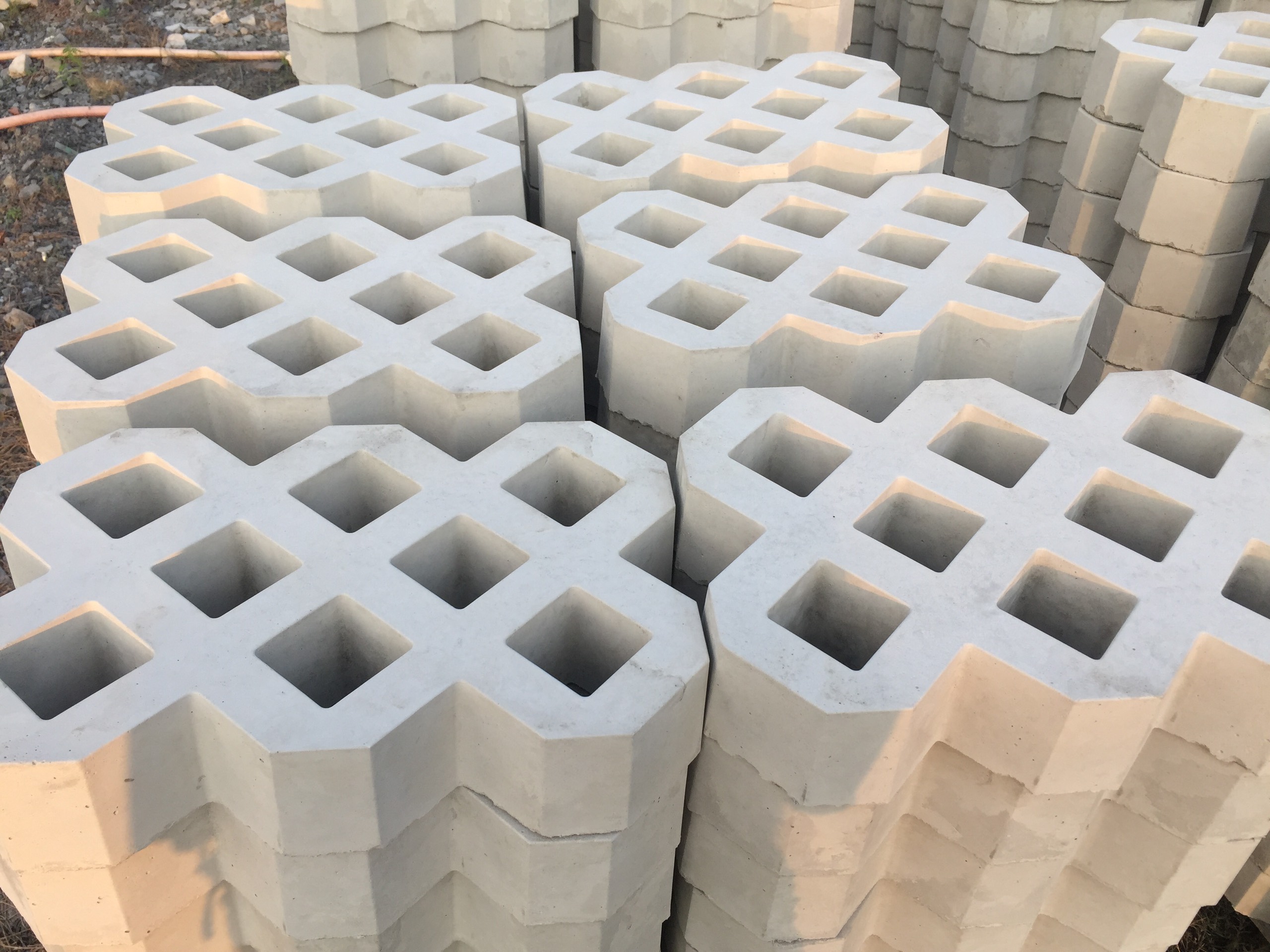
8-hole cement grass pavers
Step 1 – Subgrade preparation: Dampen the ground and excavate to a depth of about 150mm for paving. During this process, pay attention to the slope for drainage and choose the tile placement properly to prevent water stagnation during rain, which could cause waterlogging and prevent grass growth.
Step 2 – Spreading crushed stone: Once the paving area is defined, spread a layer of crushed stone about 75mm thick.
Step 3 – Laying grass pavers: Proceed to lay the pavers on the crushed stone base, 5-6 tiles at a time. Note that you should use a wooden timber to secure the pavers and prevent shifting. The mortar used during paving should be mixed in a 3:1 ratio of sand to cement, then gently tap the corners of the pavers with a rubber mallet so the pavers and mortar make full contact for a solid bond. The joints between grass pavers should use a 3:1 mortar mix that is not too dry so the joints remain uniform and crack-free.
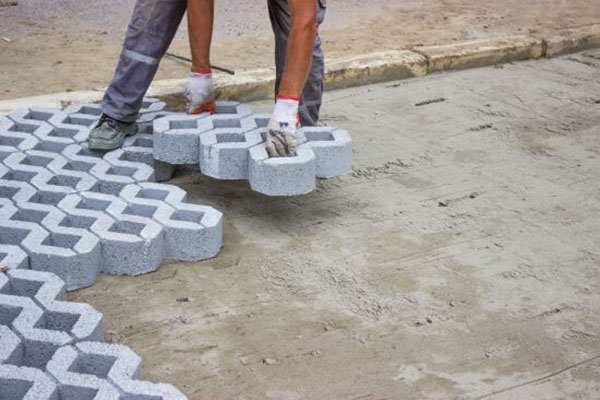
How to DIY lay grass pavers at home
Step 4 – Spreading soil on the surface: Once all the paved tiles have dried, proceed to spread the selected planting soil into each paver cell. The soil layer should have moderate thickness and moisture.
Step 5 – Planting grass: For the final step, plant grass in all the paver holes to complete the project.
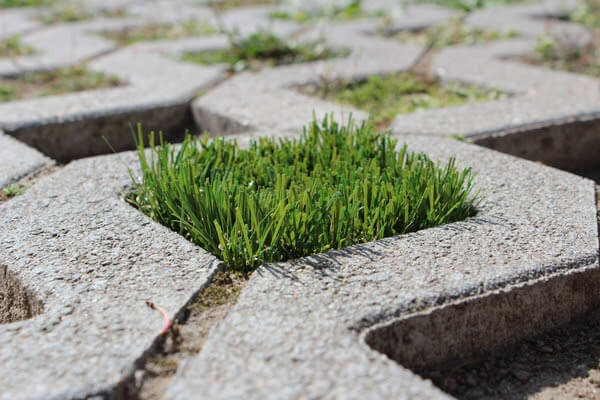
Paving garden yards with grass pavers
4. Latest Grass Paver Price List 2021
Grass pavers are widely used not only for their high aesthetics but also for their competitive pricing. On the market, you can find various paver models at different price points from low to high. Below is the latest grass paver price quotation for 2021.
| Paver Type | Dimensions (mm) | Price (VND/piece) |
| 8-hole grass pavers | 260 x 390 x 80 | 20,000 – 25,000 |
| Grass block pavers | 190 x 390 x 80 | 14,000 – 16,000 |
| Cement grass pavers | 260 x 390 x 80 | 19,000 – 24,000 |
| 5-hole grass pavers | 200 x 200 x 80 | 13,000 – 15,000 |
| 3-hole grass pavers | 385 x 125 x 80 | 19,000 – 24,000 |
5. Dimensions of grass paver types
Currently, due to increasing customer demand, grass pavers are mass-produced in various sizes, serving paving areas from small to large: sidewalk paving tiles, gardens, parking areas… Depending on each project’s area, you can choose from the following popular paver sizes:
| Paver Type | Dimensions (mm) | Pieces/m2 | Weight (kg/piece) |
| 8-hole pavers | 390 x 260 x 85 | 9 – 10 pieces/m2 | 11-12kg/piece |
| 5-hole pavers | 200 x 200 x 80 | 26 – 27 pieces/m2 | 6.5-7kg/piece |
| 3-hole pavers | 385 x 125 x 80 | 20 – 21 pieces/m2 | 9.3-9.512kg/piece |
| 2-hole pavers | 200 x 400 x 80 | 12 – 13 pieces/m2 | 8.8-9.12kg/piece |
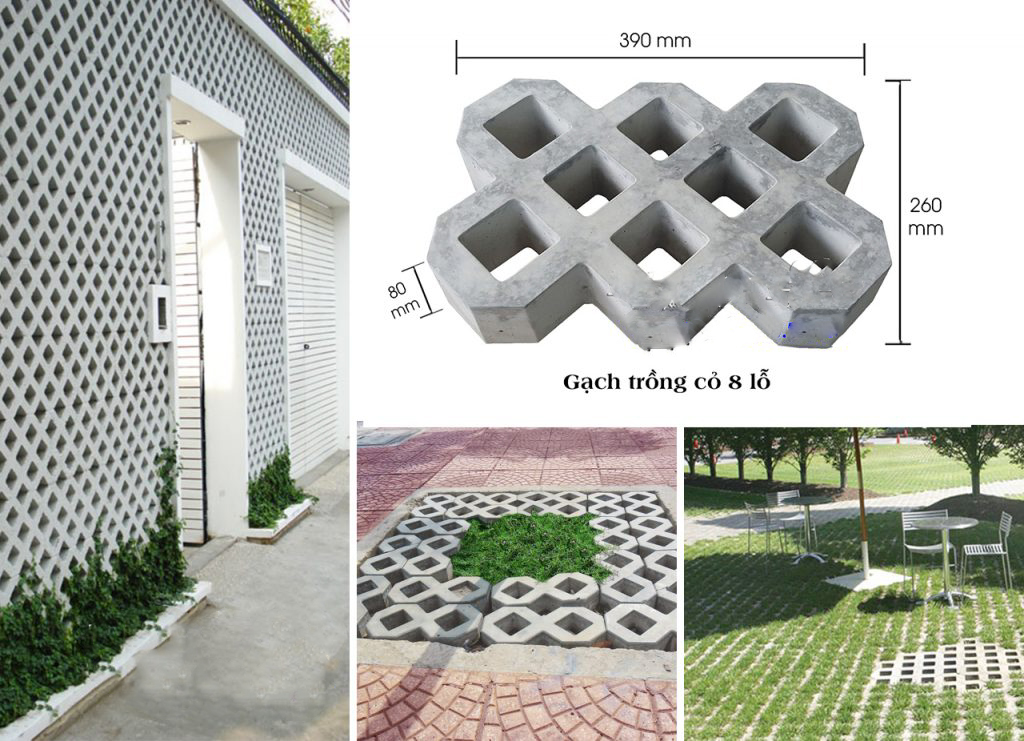
Grass paver dimensions
6. Comparison between wet-cast grass pavers and grass blocks
The rapid development of technology has brought us many improved tile products in terms of both design and quality. The grass paver category is divided into 2 main types: wet-cast grass pavers and grass block pavers. The standard differences in manufacturing process, color, load-bearing capacity, and surface treatment are listed below.
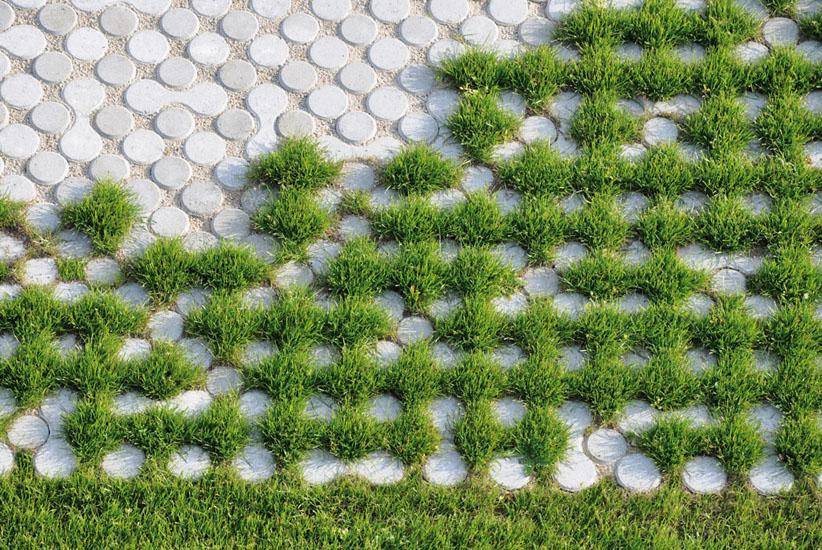
Coin grass paver model
Wet-cast grass pavers: This type of paver is produced from composite materials combined with fresh concrete. The production technology includes molding and vibration compaction to create a smooth surface. The water absorption rate of wet-cast grass pavers is lower than block pavers, but their load-bearing capacity is significantly higher. While block pavers have a compressive strength of around M200, wet-cast grass pavers reach up to M350 – M600. With diverse colors such as yellow, red, green, and natural concrete grey, they are often used to decorate cafes, garden yards, and parks.
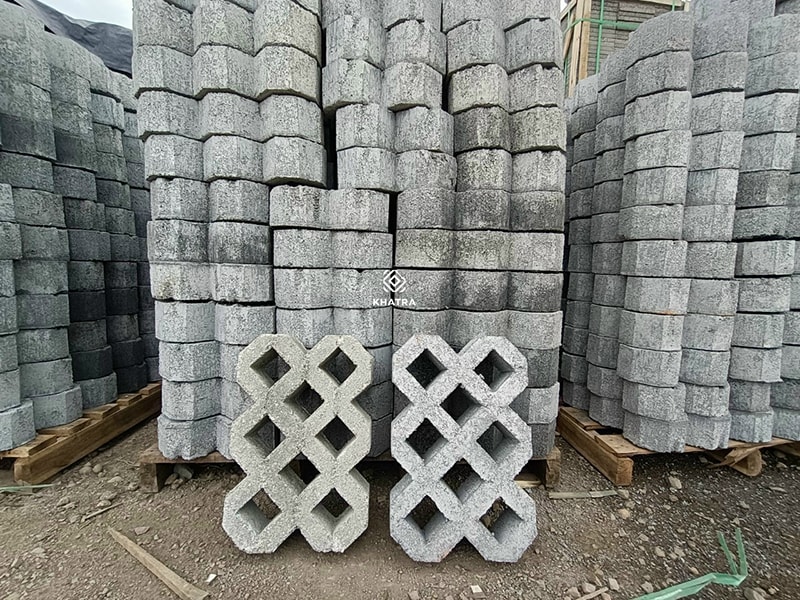
Cement grass pavers for yard paving
Grass block pavers: The raw material for block pavers is a dry concrete mix, so the pavers are dry-pressed for shaping. This gives the paver surface a rough, grainy texture and higher water permeability. This type of paver only comes in cement grey, so it is often used for tree-planted sidewalks and truck parking lots.
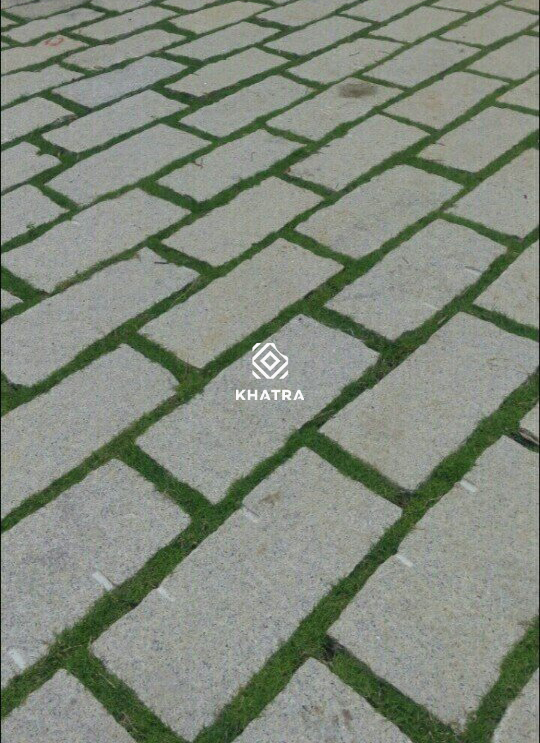
Actual photo of stone-look tiles for garden paving
Other ceramic and porcelain garden paving tiles
In addition to concrete grass pavers, there are also traditional terracotta courtyard tiles and modern grass-look, pebble-look glazed tiles to suit your aesthetic preferences.