“Joining with gold” is the Japanese meaning of Kintsugi, also known as Kintsukuroi, which is the Japanese art of repairing broken pottery with gold. Instead of piecing ceramics back together with adhesive glue, the Kintsugi technique uses a special lacquer dusted with powdered gold, silver, or platinum to “remake” broken ceramics into unique and valuable pieces. Each “repaired” artwork becomes one of a kind.
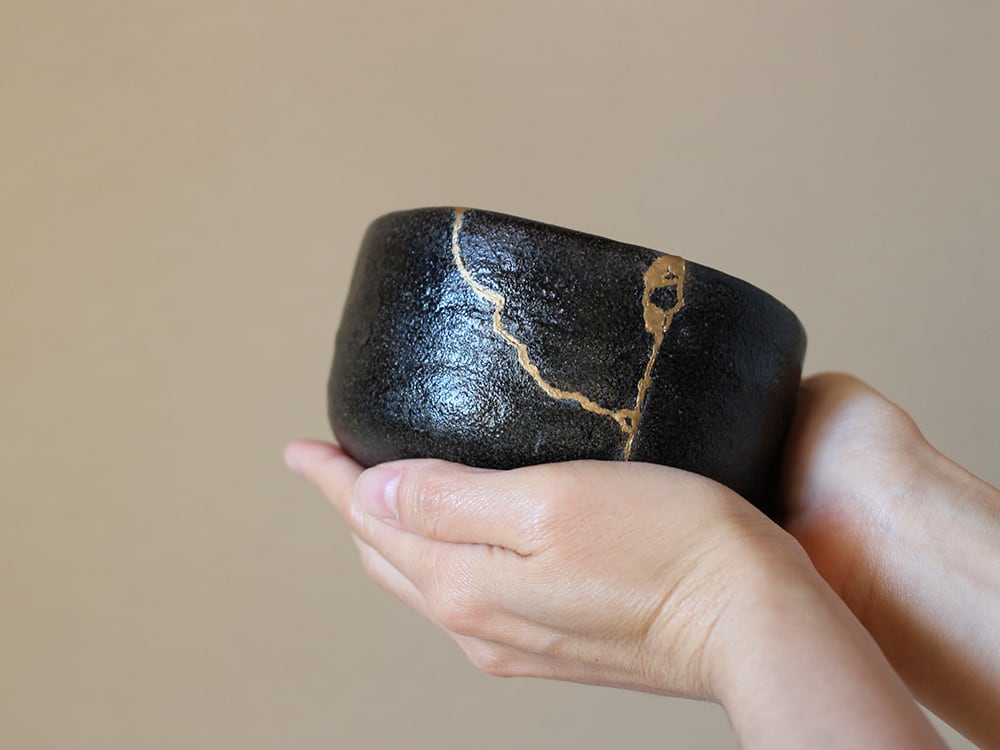
The art of repairing broken pottery with gold
This unique method celebrates the value of each piece by emphasizing its fractures rather than trying to hide or disguise them. In fact, kintsugi often makes the repaired piece even more beautiful than the original, reviving it with a fresh appearance and giving it a second life.
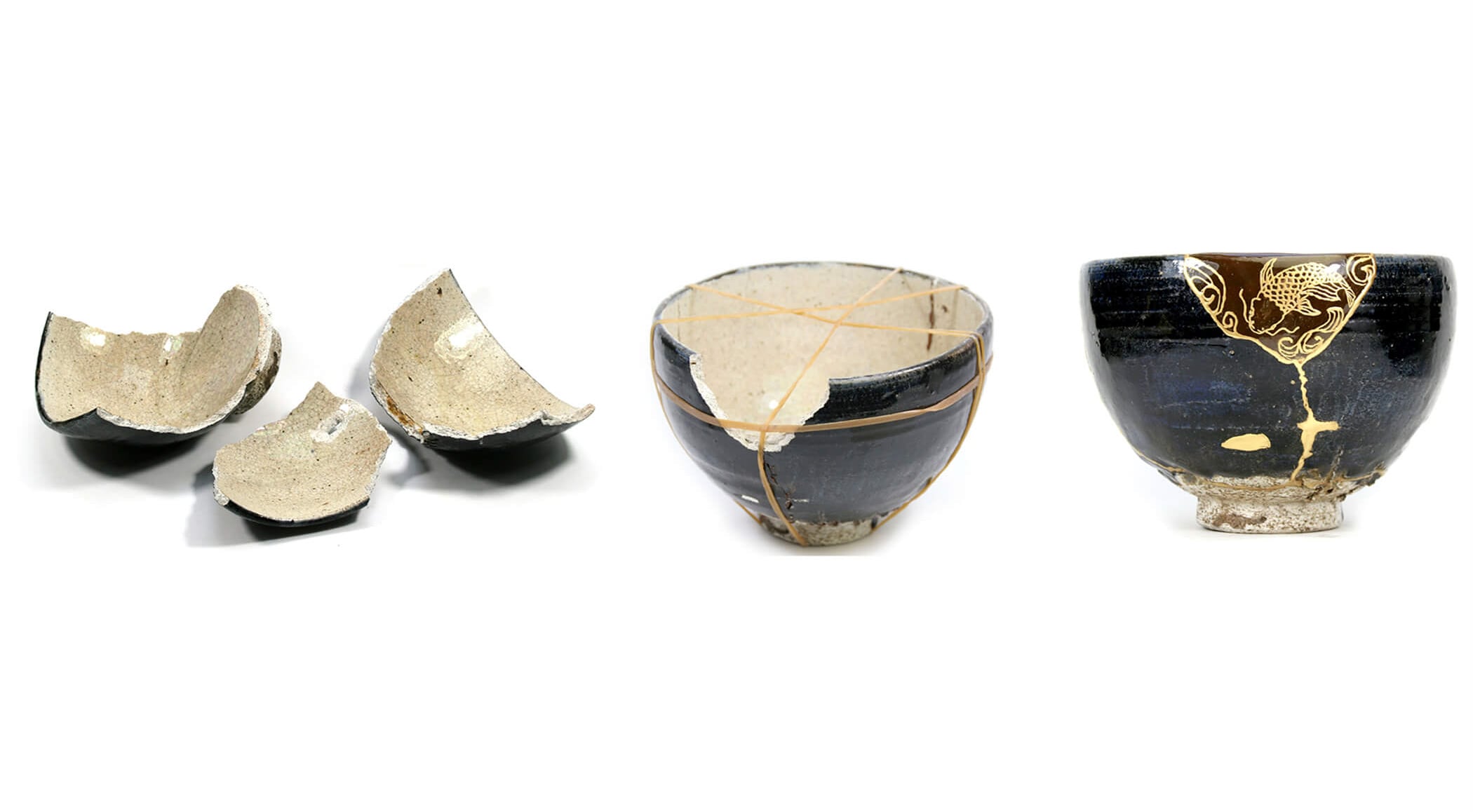
Kintsugi – The Art of Honoring Imperfection
Join Khatra in tracing the history of this fascinating art, exploring its methods, and getting a glimpse into how contemporary creators keep Kintsugi alive today.
What is Kintsugi? The History of Kintsugi Art
Originating in the late 15th century, this craft began when Japanese shogun Ashikaga Yoshimasa sent a cracked tea bowl back to China for repair. Upon its return, Yoshimasa was displeased to find the bowl mended with unsightly metal staples. This prompted contemporary craftsmen to search for an aesthetically pleasing alternative repair method, and this was also when kintsugi was born.
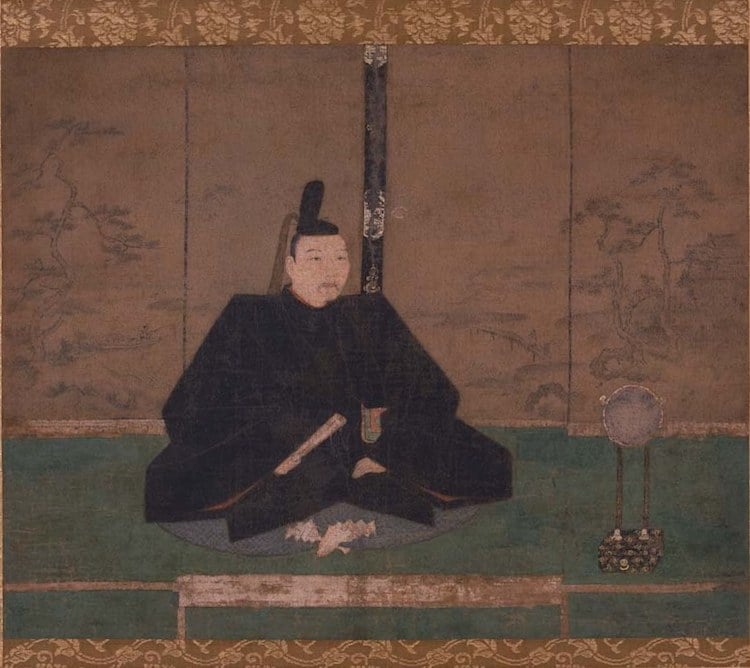
History of Kintsugi Art
By the 17th century, kintsugi had become more widespread in Japan. According to Louise Cort – Curator of Ceramics at the Freer Gallery of Art and Arthur M. Sackler Gallery, it was during this time that a Japanese warrior notoriously bought, broke, and repaired standard tea bowls to make a profit. This shows that, by the early 17th century, kintsugi was a technique commonly used to repair and decorate ceramics.
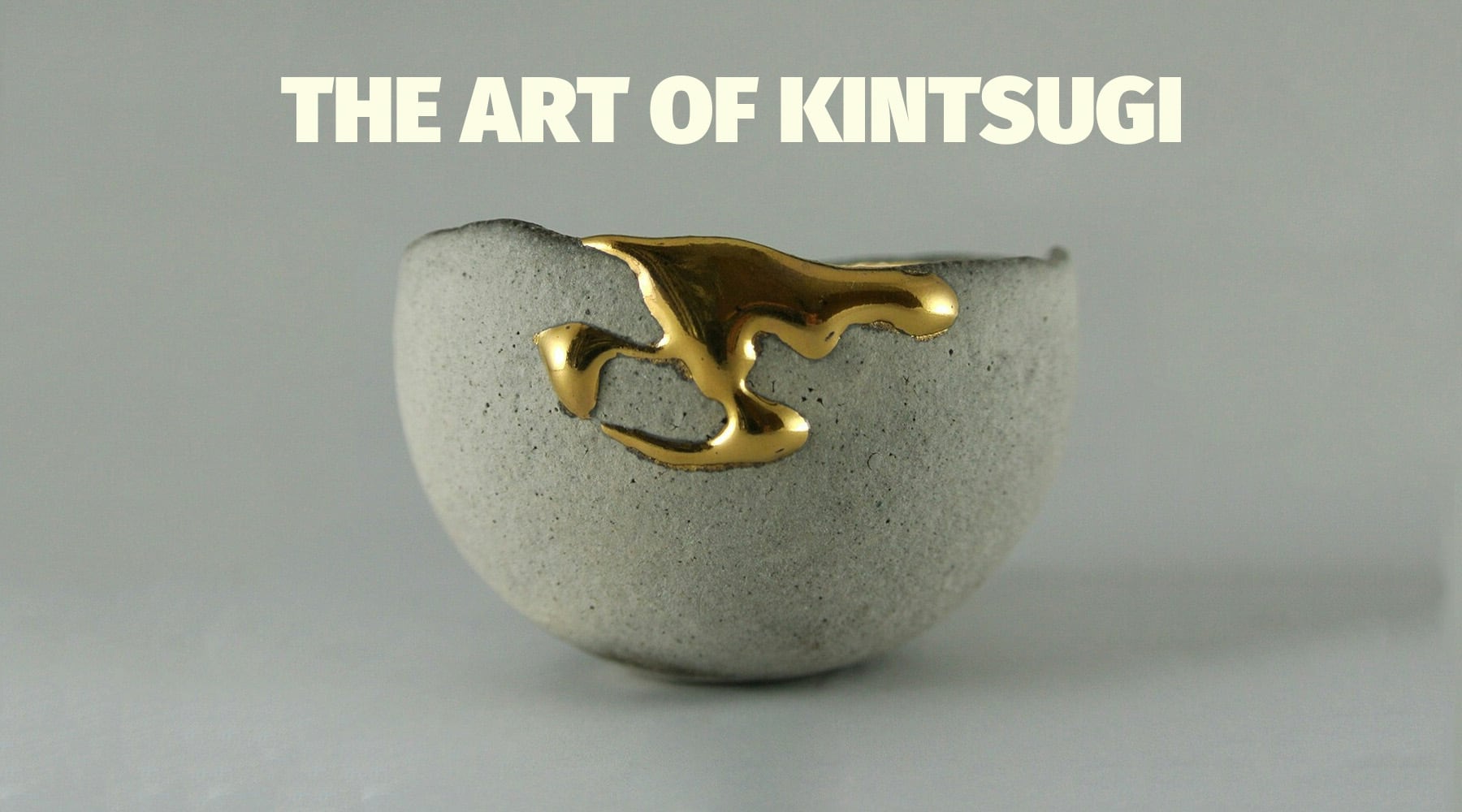
Kintsugi Art
Beyond its aesthetic value, kintsugi has long represented prevailing philosophical ideas. Specifically, this practice is associated with the Japanese philosophy of wabi-sabi, the “beauty of imperfection.” Kintsugi also conveys the message of mottainai (regret over waste) and mushin (the acceptance of change).
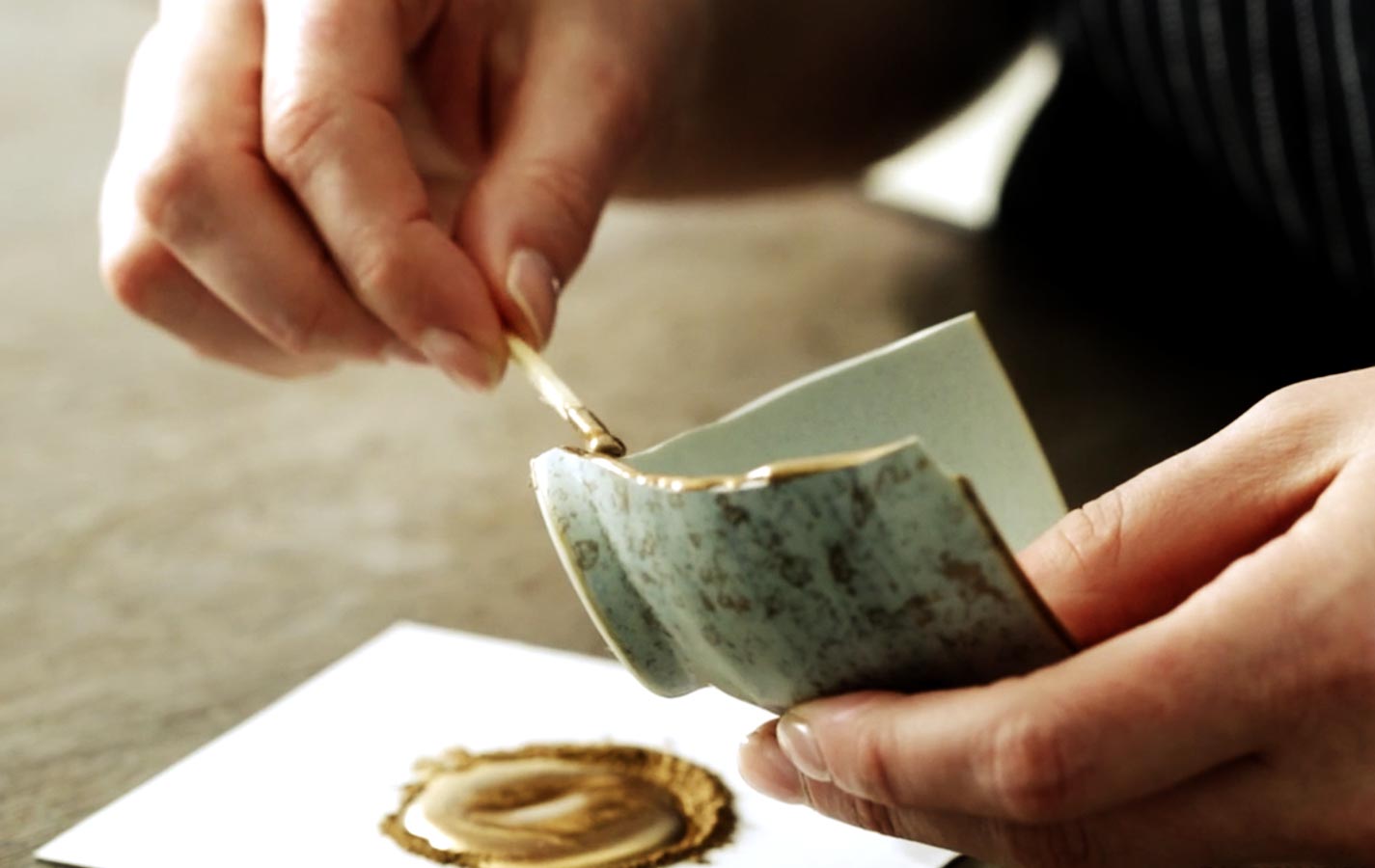
The art of emphasizing imperfection
This art form also carries the meaning of overcoming emotional wounds, helping people grow stronger and more beautiful following imperfections, allowing them to live more comfortably and peacefully.
Methods of Kintsugi
There are three primary styles and methods in the art of joining fragments with gold: Crack, Piece Method, and Joint-call. In each case, gold, silver, or platinum coating materials are used to repair broken pottery, creating distinct finishes with their own unique beauty.
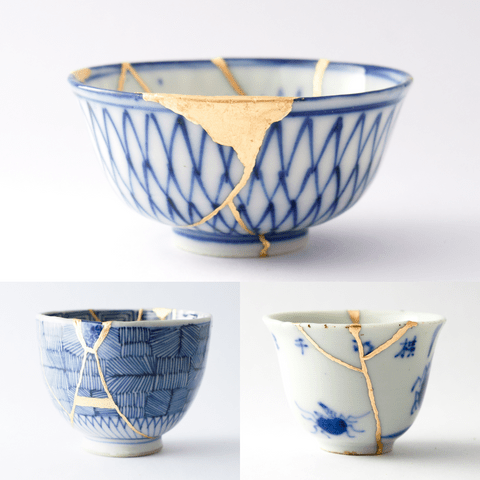
Kintsugi art
Crack
With this method, the object is repaired by filling the seams along the cracked edges. This is the most popular kintsugi technique, and these shimmering joined veins are what define the Kintsugi art form.
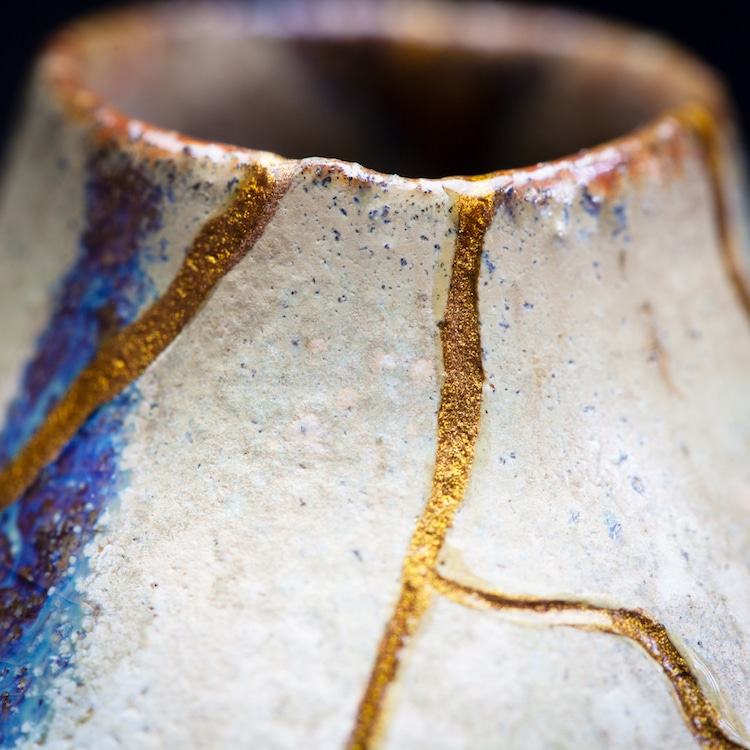
Crack Method
Piece Method
With the Piece Method, the object is restored by replacing missing fragments entirely with replacement pieces (gold, silver, or platinum).
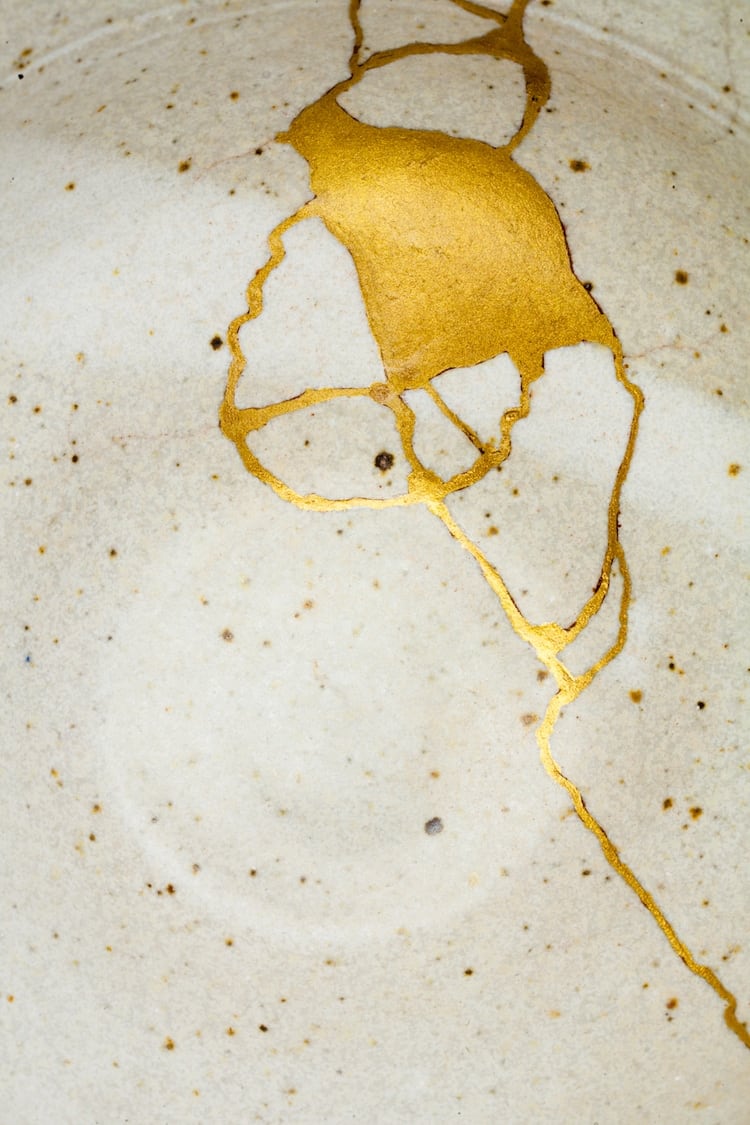
Piece Method
Joint-call
In this technique, artisans use similarly shaped pieces from other broken ceramics, combining two aesthetically different pieces into a single, cohesive product.
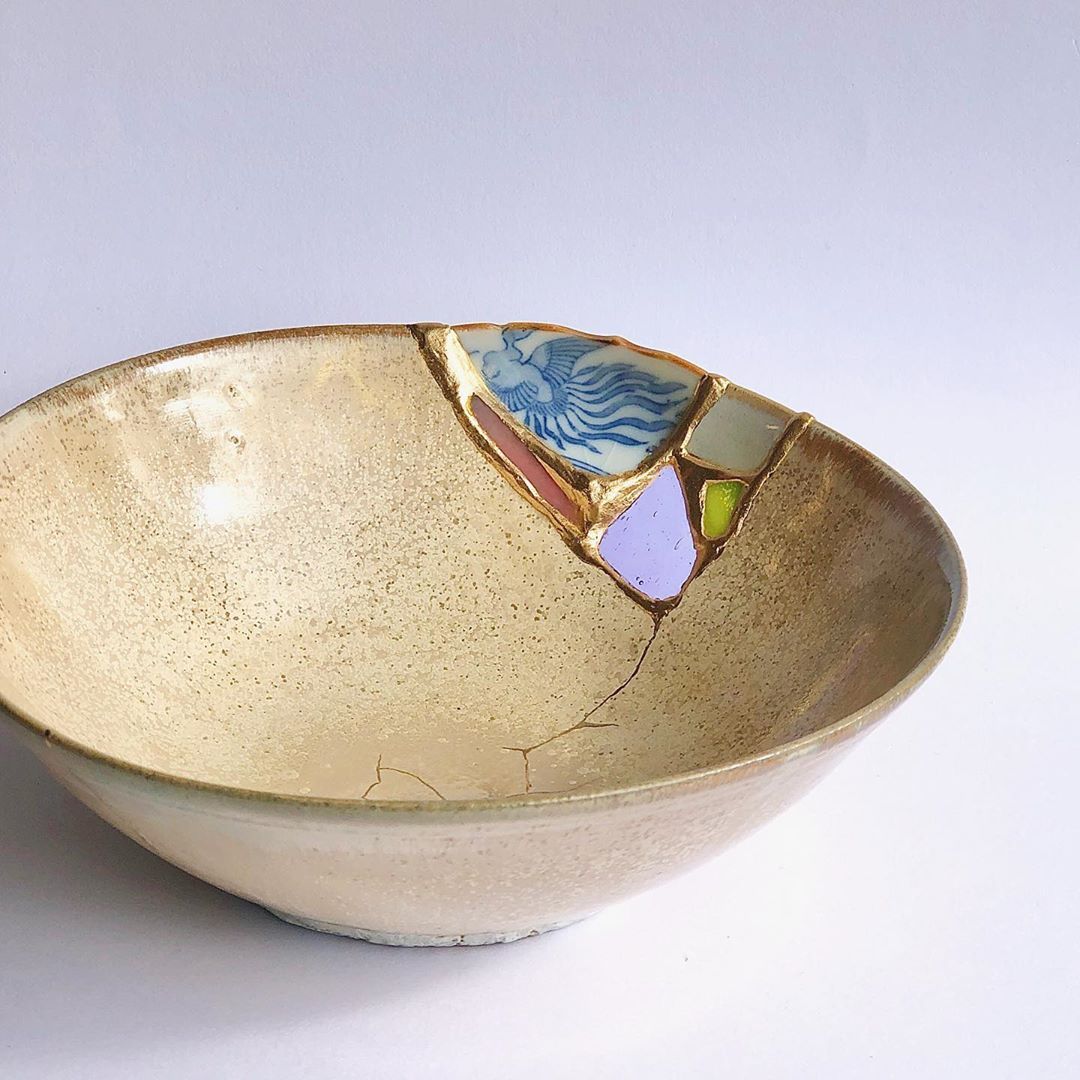
Joint-call Method
Applications of the Unique Art of Kintsugi Today
Today, the art of Kintsugi has transcended Japan’s borders, being applied to all kinds of products and materials worldwide. Museums such as the Metropolitan Museum of Art in New York and the Smithsonian have dedicated exhibitions to this unique and meaningful art form.
British artist Karen LaMonte did not hesitate to use Kintsugi to join fabric pieces together in her fashion designs. She creates a striking effect of refinement, heavily inspired by Japanese culture.
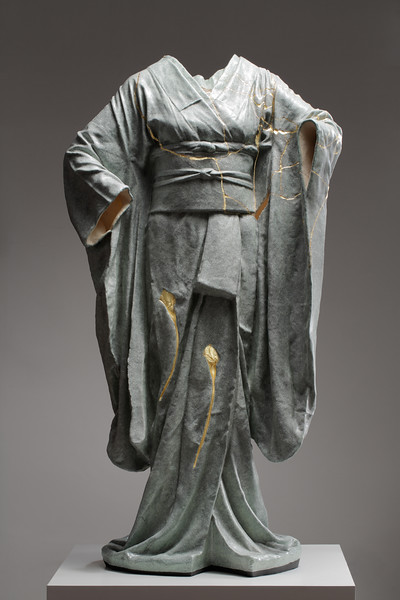
Kimono Collection by artist Karen LaMonte
We can also look to New York-based designer George Inaki Root, who created a jewelry line called Kintsugi. Or Victor Solomon, who was inspired by Kintsugi methods to repair a cracked basketball court in South Los Angeles in 2020.
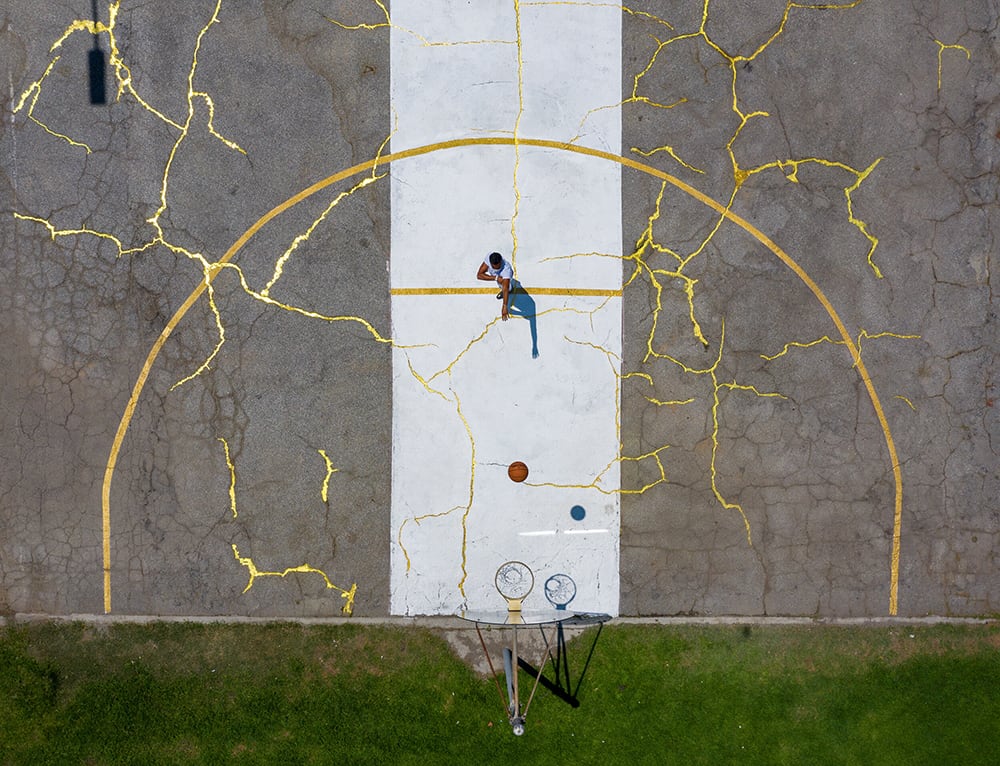
Basketball court repaired by Victor Solomon
Brazilian artist Tatiane Freitas blurred the boundaries between classic and contemporary design by using acrylic resin to “repair” broken wooden furniture. Although the resin is transparent, the repair is not intended to disguise; instead, the material stands out against the wooden background, creating a bold, old-meets-new product.
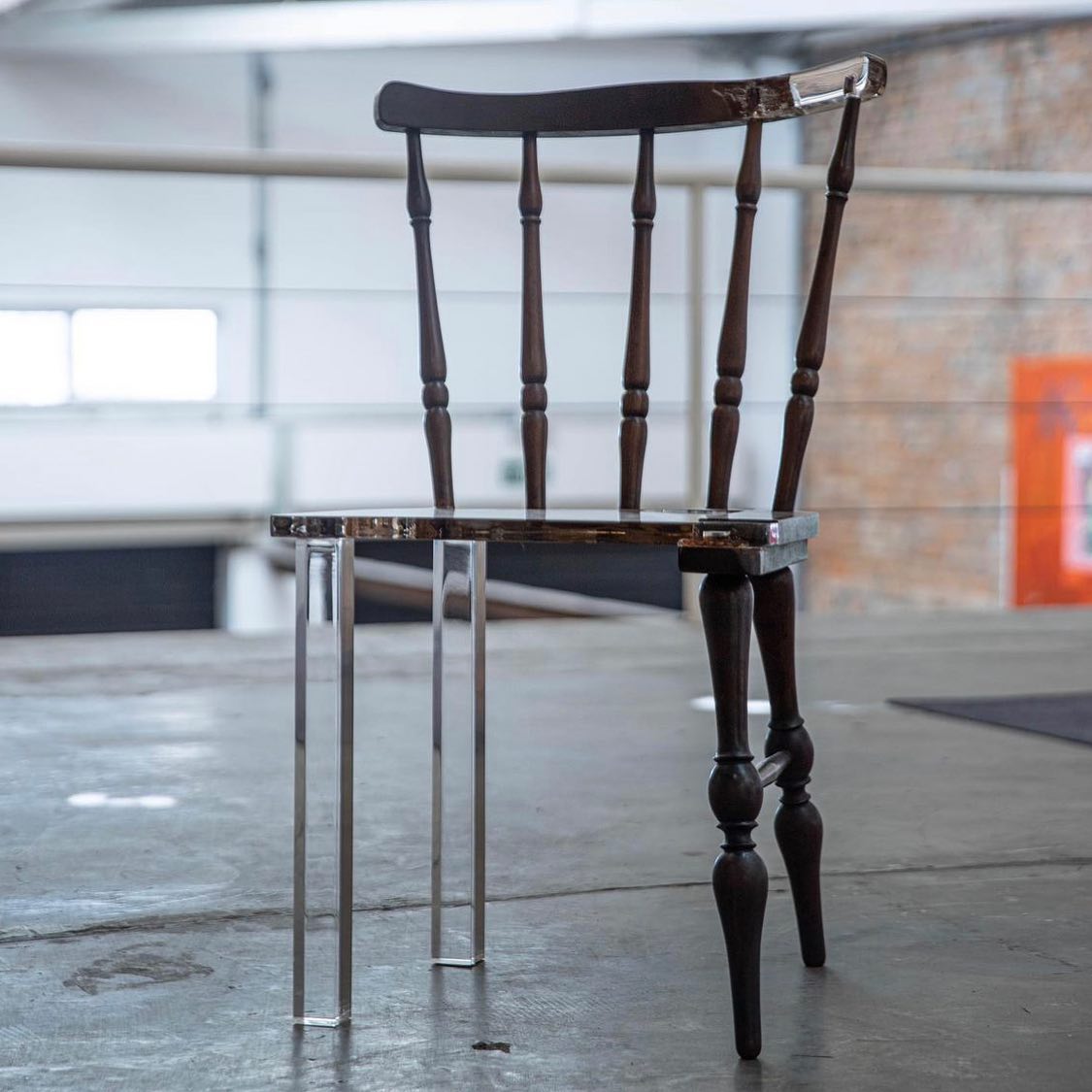
Novel “repaired” wooden chair product
Kintsugi is also very popular in everyday life. It has become a metaphor for renewal and growing stronger after challenging experiences. The loss of a loved one, loneliness from successive heartbreaks, or inner emotional turmoil… all have the opportunity to heal when applying the Japanese art of gold mending.
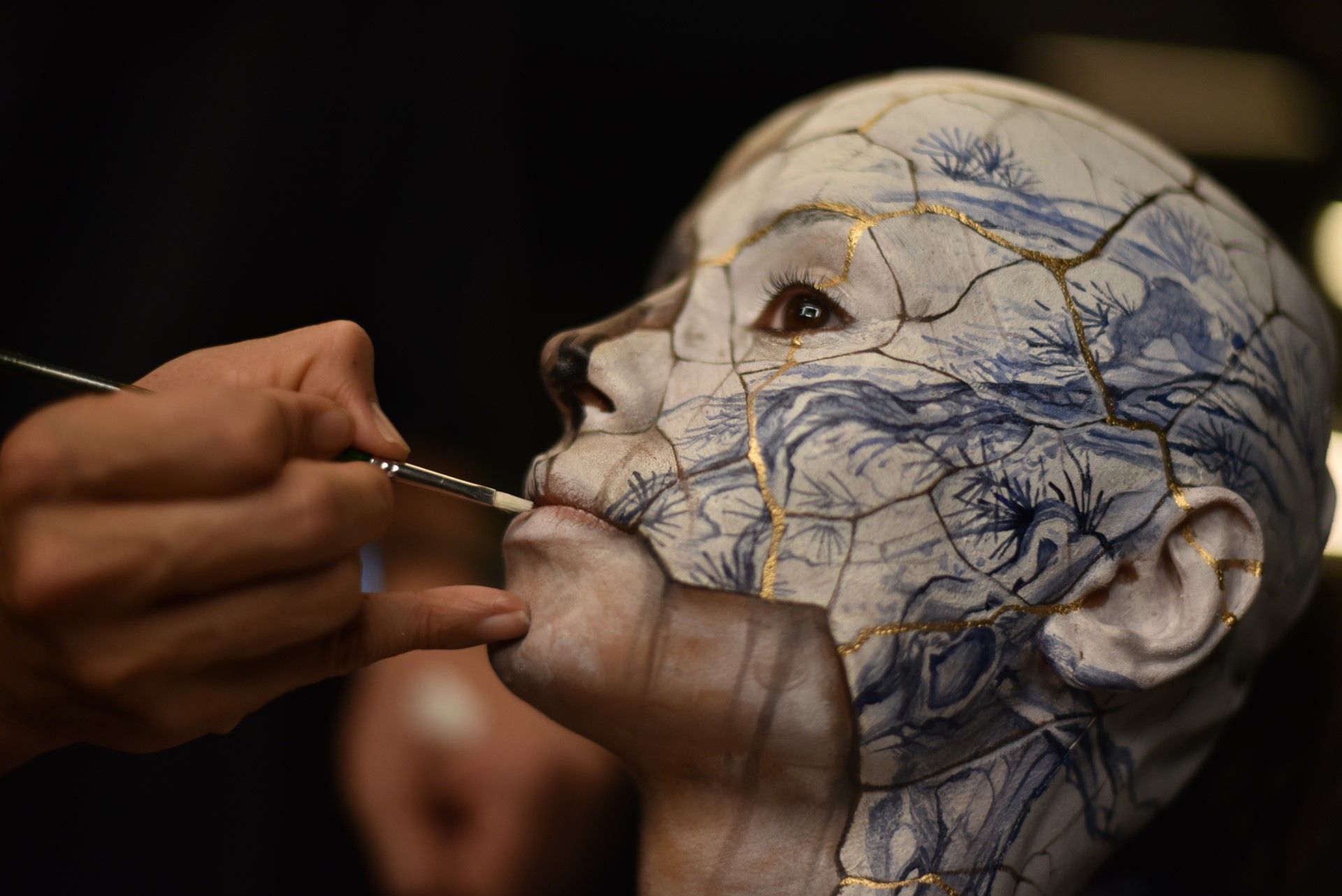
Inspired by Kintsugi art
In Vietnam, you can come across patched cracks on the concrete floors of Pizza 4P’s restaurants – one of the most famous pizza restaurant chains today.
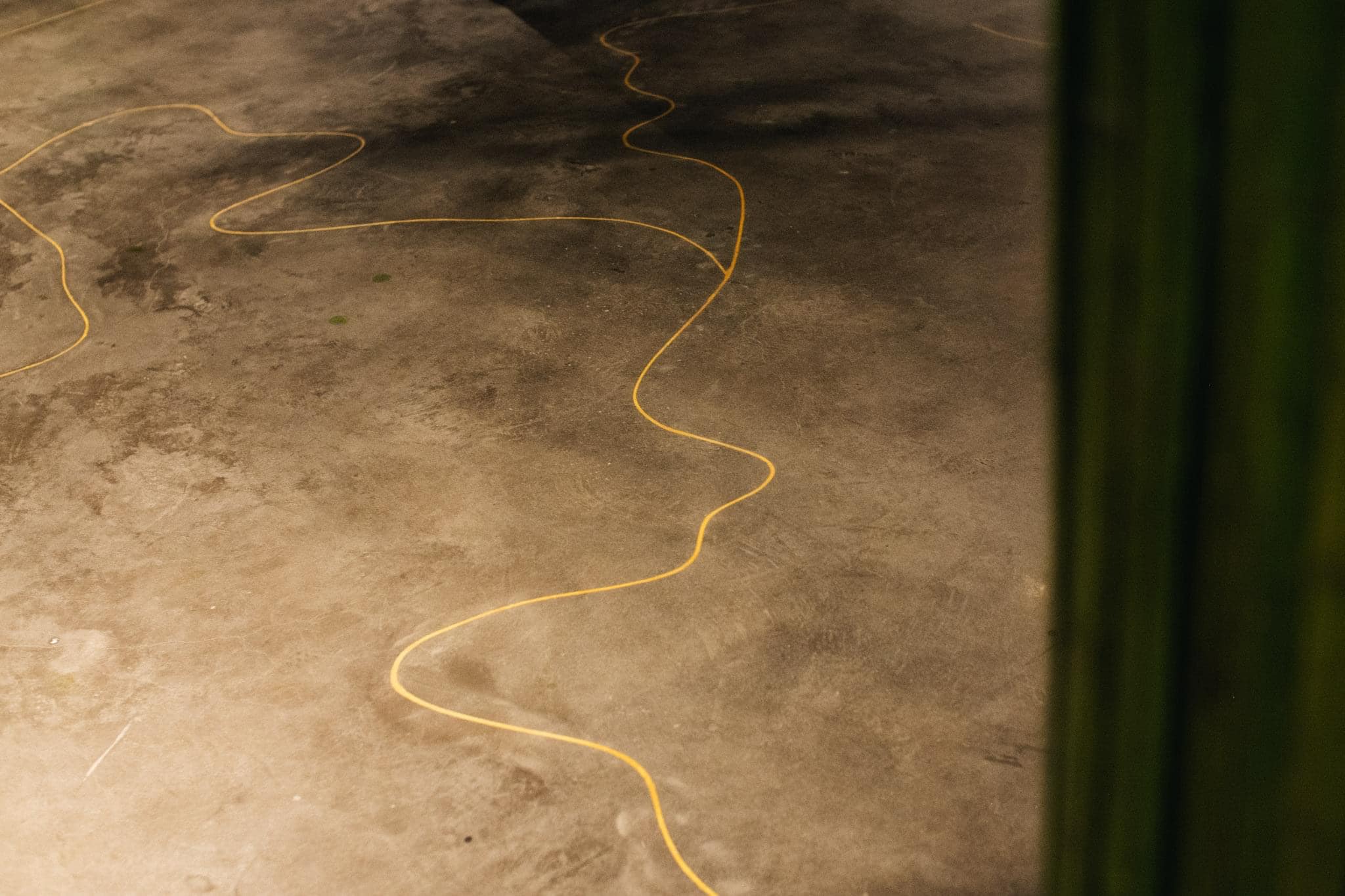
Cracks on the floor of Pizza 4P’s Vivo City
Additionally, the cracks of Kintsugi art are also conveyed to customers by Khatra through metallic-accented cracked Terrazzo tiles, which are also featured in the new 2022 collection.
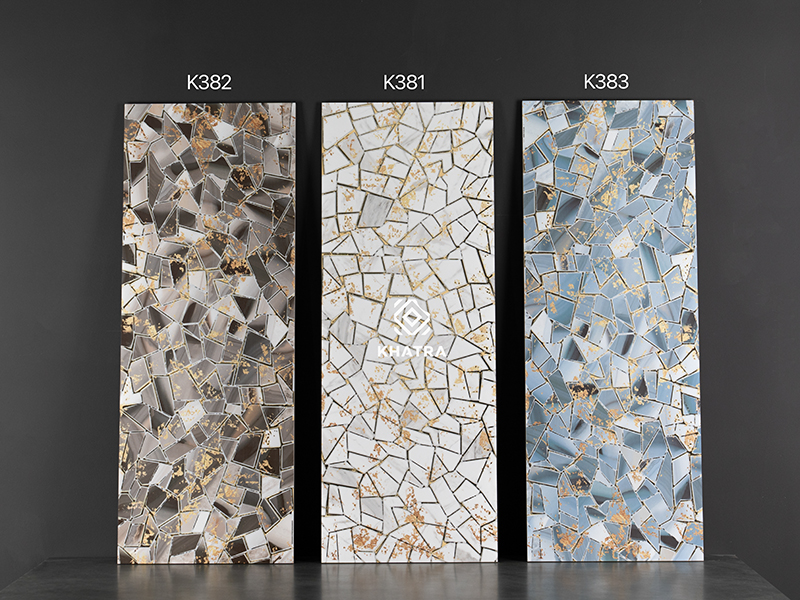
Set of 3 Terrazzo 300×800 wall tile models
600×1200 cracked-grain Terrazzo tile with metallic pattern
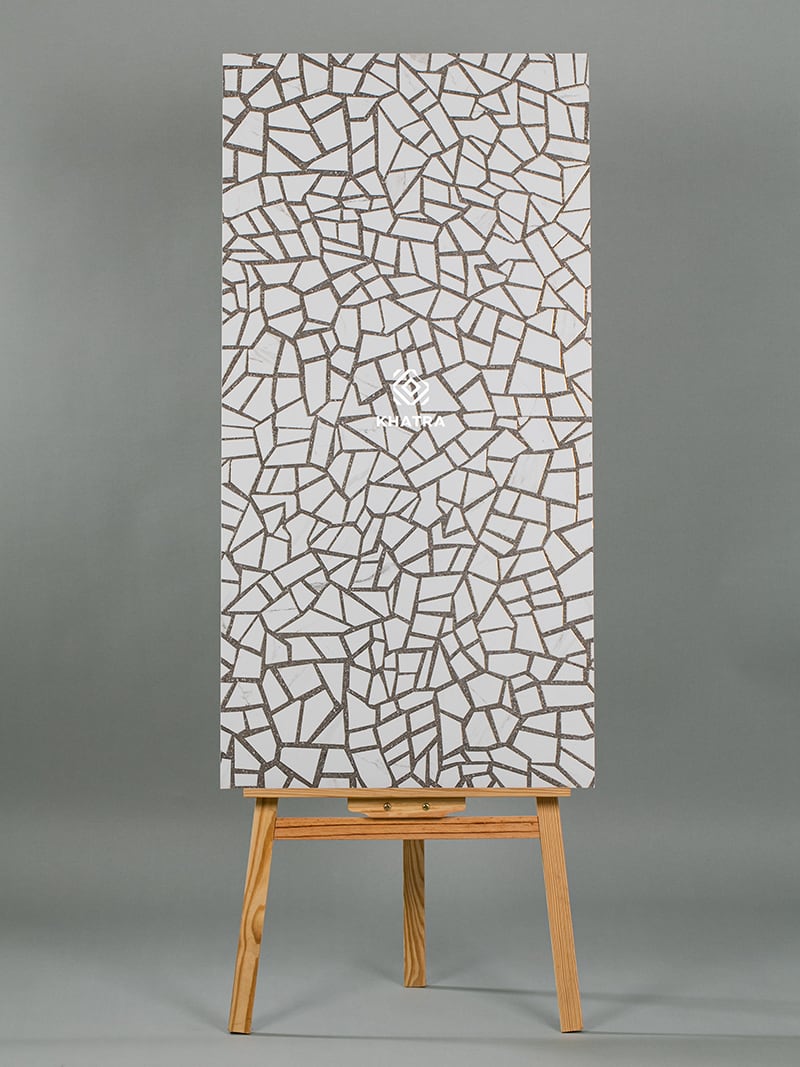
Gold-shimmer Terrazzo tile KHTR61288

Metallic Terrazzo floor tile KHTR61288
The cracked Terrazzo tile models are inspired by the art of Kintsugi, aiming to bring healing and showcase resilience after hardship, providing comfort and relaxation for homeowners upon returning home.


![[Teambuilding 2018] Notice of August 2018 Holiday Schedule](https://khatra.com.vn/wp-content/uploads/2018/07/thailand-425x267.jpg "thailand")