1/ Distinguishing single-layer and double-layer polished porcelain tiles
- The easiest way to distinguish these 2 types of tiles is to look at the side of the tile: with double-layer tiles, you can easily see two distinct layers right at the edge (glaze layer and body/core layer), whereas single-layer tiles have only one layer.
- The second way is to look closely at the tile: double-layer tiles are glossier, have more sophisticated patterns, and are heavier and sturdier.
- The third way is based on designs and names. Only the mother-of-pearl (xà cừ) and linear stripe (sọc đũa) patterns are available for both tile types. Therefore, when hearing names like mother-of-pearl or linear stripe, you should ask the seller whether it is single-layer or double-layer. Patterns like spiderweb, solid white, stone veining, snake skin, etc., are only available for double-layer tiles.
- Double-layer tiles come in more diverse sizes: including 60×60, 80×80, 100×100, whereas single-layer tiles only come in a single size of 60×60.

Figure 1: Comparison between single-layer and double-layer tiles.
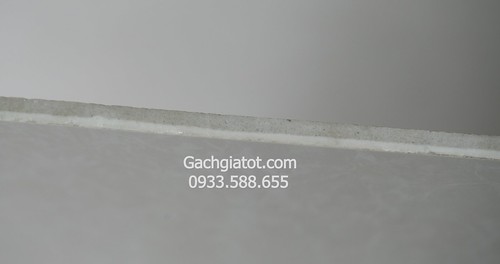
Figure 2: Cross-section of double-layer polished porcelain tile.
2/ What is full-body polished porcelain tile? How to distinguish it from double-layer polished porcelain tile?
- It is the highest-end segment among polished porcelain tiles. The entire tile is pressed/compacted from stone powder, making it very heavy and solid (heavier than double-layer tiles).
- The quick way to distinguish between double-layer tiles and full-body polished porcelain tiles is to look closely at the veins; full-body tiles have sharper veins and much higher aesthetic value compared to double-layer tiles. Although full-body tiles have only 1 layer visible from the side, they are very solid and much heavier than single-layer tiles. This high-end floor tile line focuses mainly on the 3D stone vein segment (looking like natural stone with a deep vein effect), which is the best-selling segment.
- The primary size of high-end tiles is 60×60, with average prices ranging from 300,000/m2 to 500,000/m2 depending on the model.
3/ Should you use single-layer or double-layer polished porcelain tiles?
It depends on the needs and financial capacity of each family. However, our advice is to use double-layer tiles. Why?
- Double-layer polished porcelain tiles have a glossier surface, more beautiful veining, higher hardness, and greater durability.
- Abrasion resistance, fade resistance, and scratch resistance are better, so the lifespan of double-layer tiles is longer.
- The price difference is not significant (around 20,000 VND/m2).
So when should single-layer tiles be used?
- Customers looking for a fast return on investment, or spaces that do not require high aesthetics: building/renovating boarding rooms, rental rooms, rental houses, affordable eateries, canteens, parking lots, etc.
- Low-income households, or customers needing to renovate old apartments for rent/resale…
- In summary, if you want low costs with acceptable quality, single-layer tiles are the best choice.
4/ Should you use 60×60 or 80×80 tiles?
- If the house width is over 6m, you should use 80×80 polished porcelain tiles because the number of grout lines (intersections between tiles when paved) will be fewer, making the house feel larger and more luxurious.
- From 4.5 -> 6m, 80×80 tiles can still be used, but you should consult an architect.
- Under 4.5m, you should use 60×60 tiles for a more balanced grout line distribution.
- Another factor to consider is cost and design. 80×80 tiles are priced higher than 60×60 tiles depending on the model.
5/ Things to know when cutting baseboard tiles (skirting)?
Skirting tile is the baseboard tile used to cover the joint between the floor and the wall, with the main purpose of enhancing aesthetics while protecting the bottom of the wall from getting dirty. Skirting tiles are usually cut from large tiles and then further processed.