Nowadays, customers going to cafes no longer just enjoy the coffee flavor but also pay great attention to the aesthetics and layout of the shop. Therefore, Khatra introduces you to the TOP 7 beautiful cafe interior design styles for 2023.
1. Minimalist
Nowadays, most people are familiar with the concept of “minimalism”—bringing everything back to its most basic form, applied to anything from art and lifestyle to architecture and interior design.
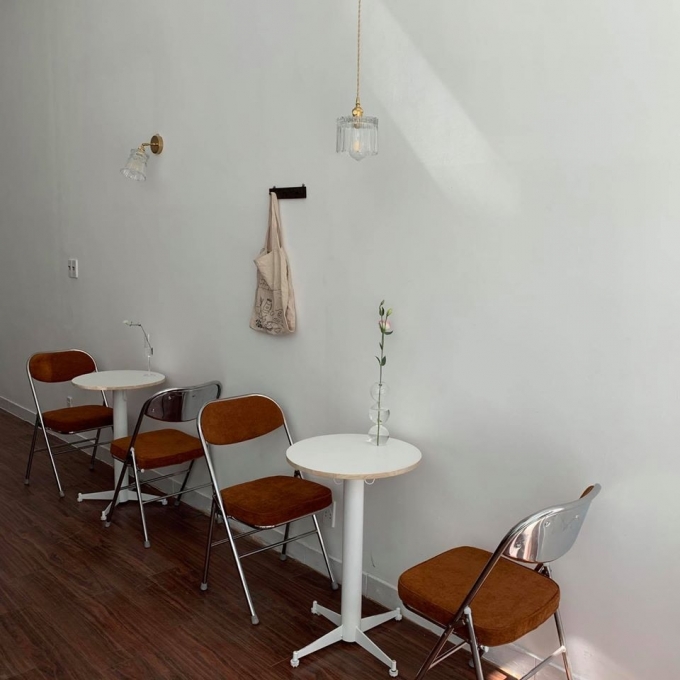
The hallmark of Minimalist design is simplicity without monotony, clean lines, and a monochromatic color palette used as accents. It utilizes functional furniture, focusing on shapes, colors, and textures.
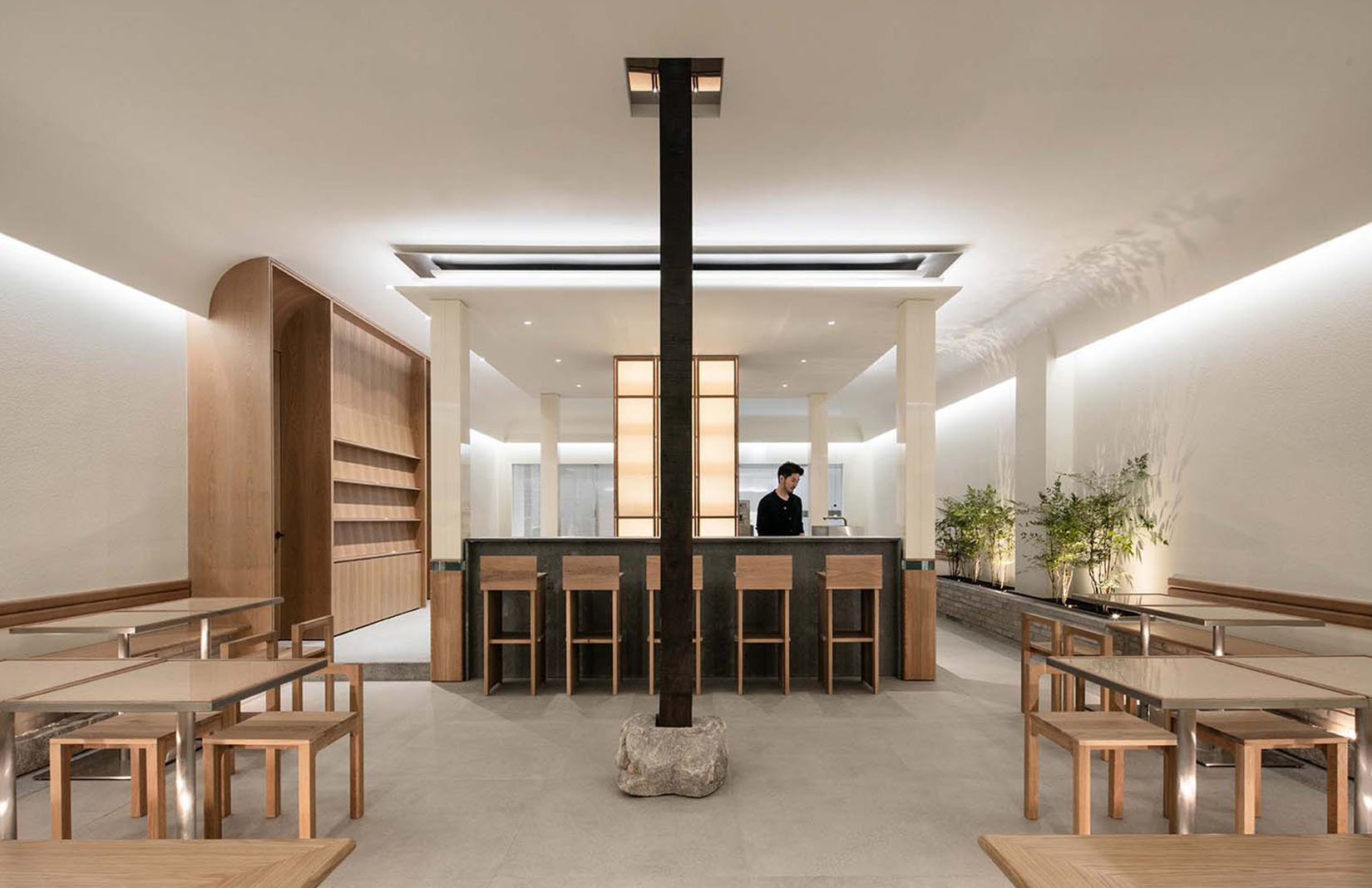
Cafe design in Minimalist style
Using essential items
The approach to Minimalist design is using only essential elements in an open space to create a sense of freedom and relaxation. There is no excessive decoration—perhaps just a minimalist piece of wall art or a flower vase on the table.
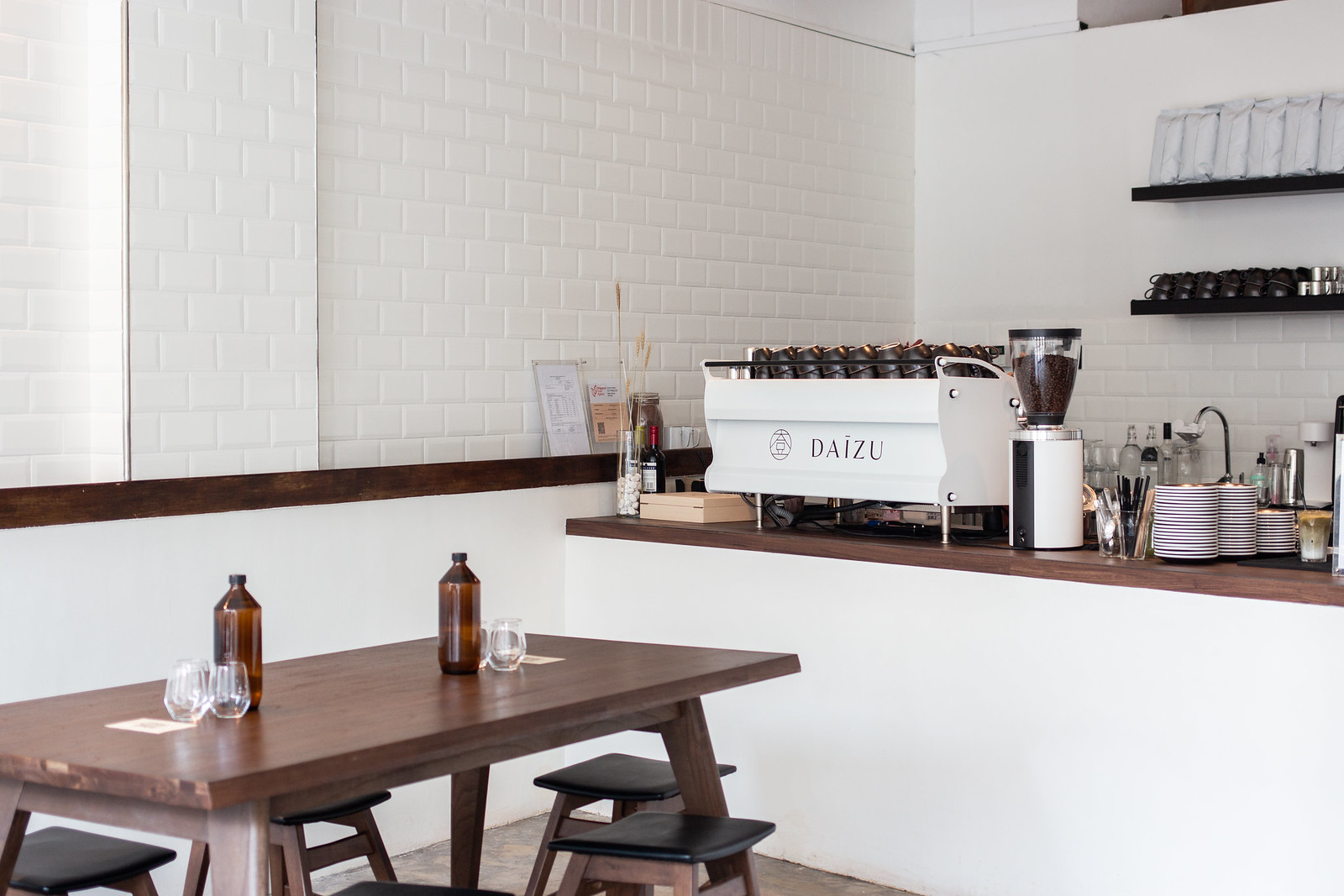
Daizu Cafe, Singapore
Sleek lines
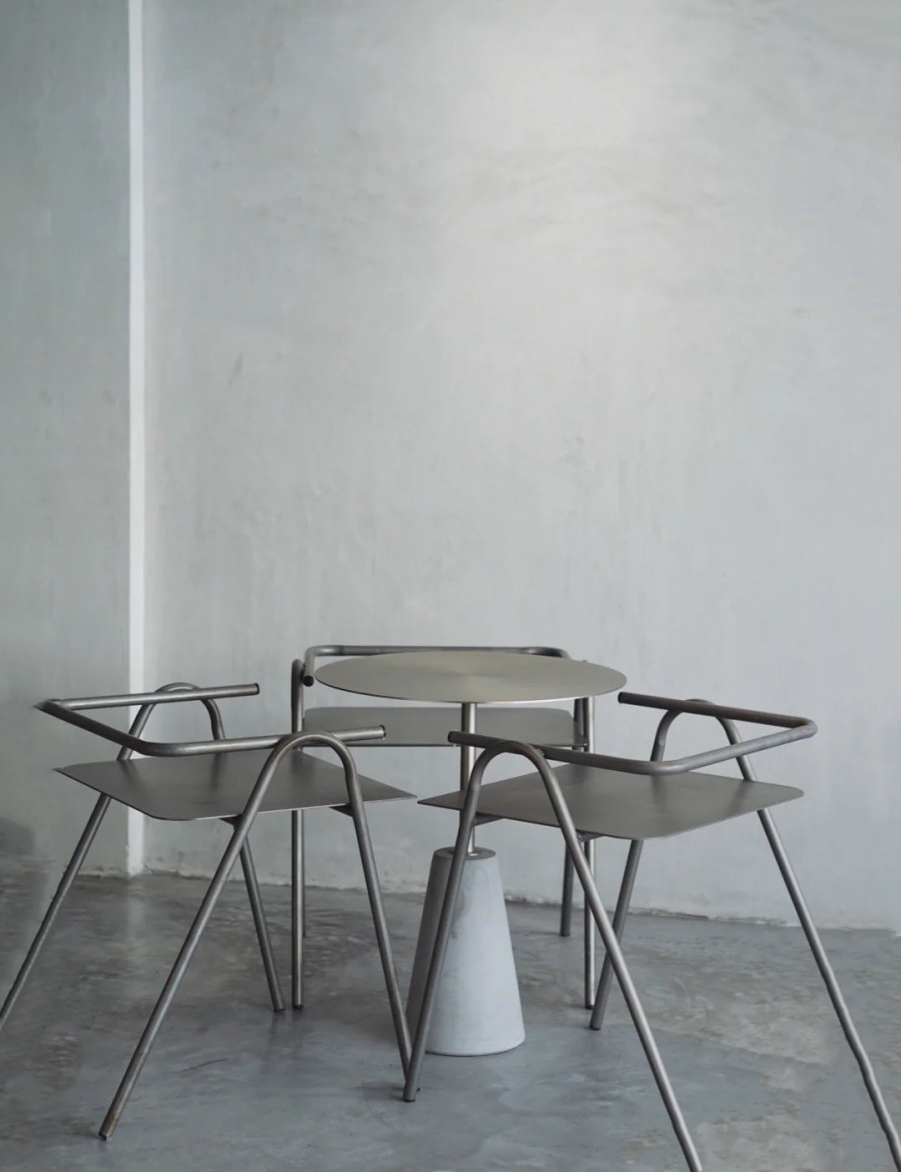
Minimalist furniture and accessories focus on high functionality and practicality. Flat, smooth surfaces and strong, clean lines emphasize the essential nature of each item. Avoid using furniture and accessories with complicated patterns or ornate details. Instead, the focus is on the sophistication and simplicity of shapes and forms.

Monochromatic color palette
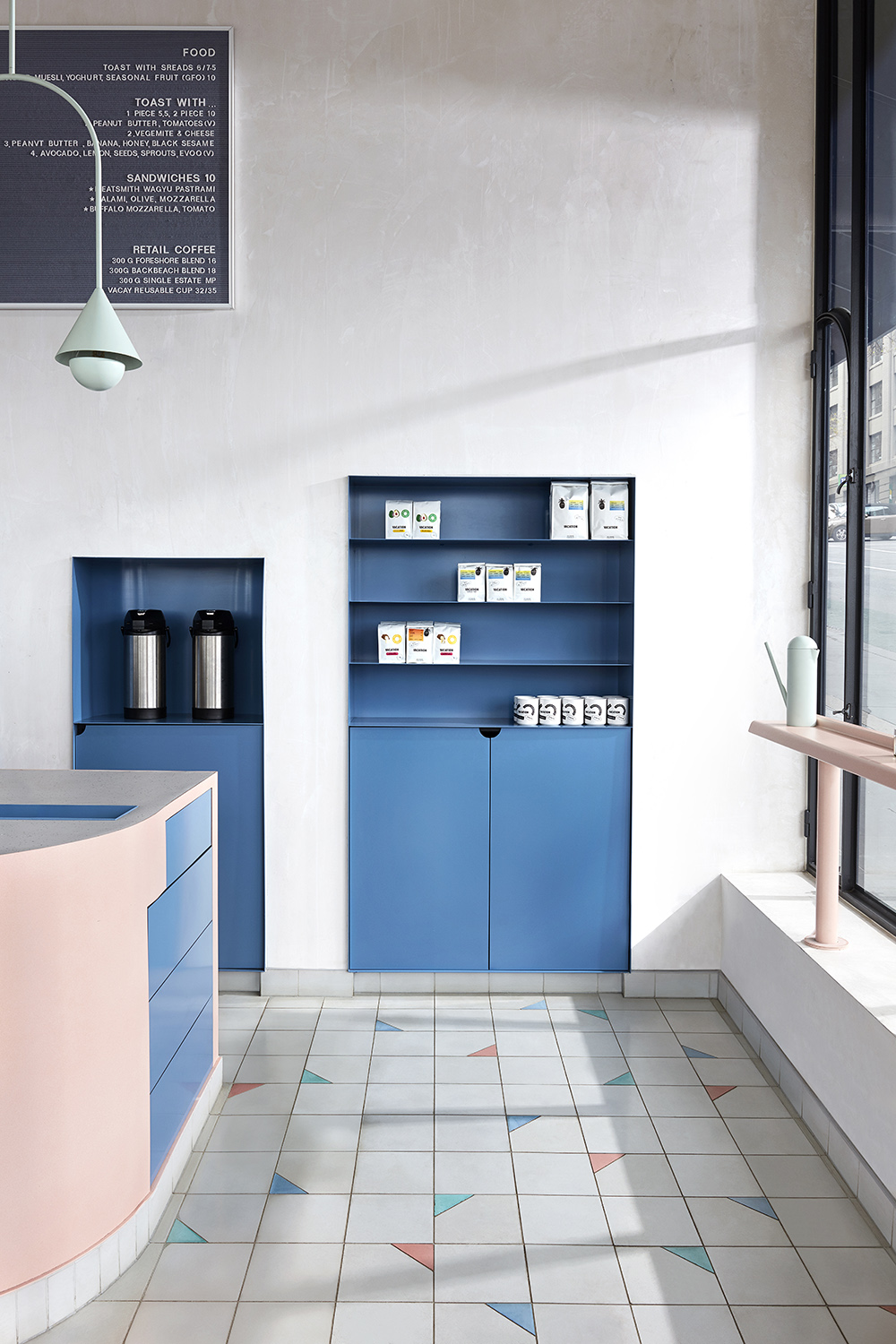
A monochromatic color scheme including white, beige, and gray is characteristic of spaces designed in the Minimalist style. Accents are also solid-color materials: black, blue, and brown to create an airy and elegant ambiance.
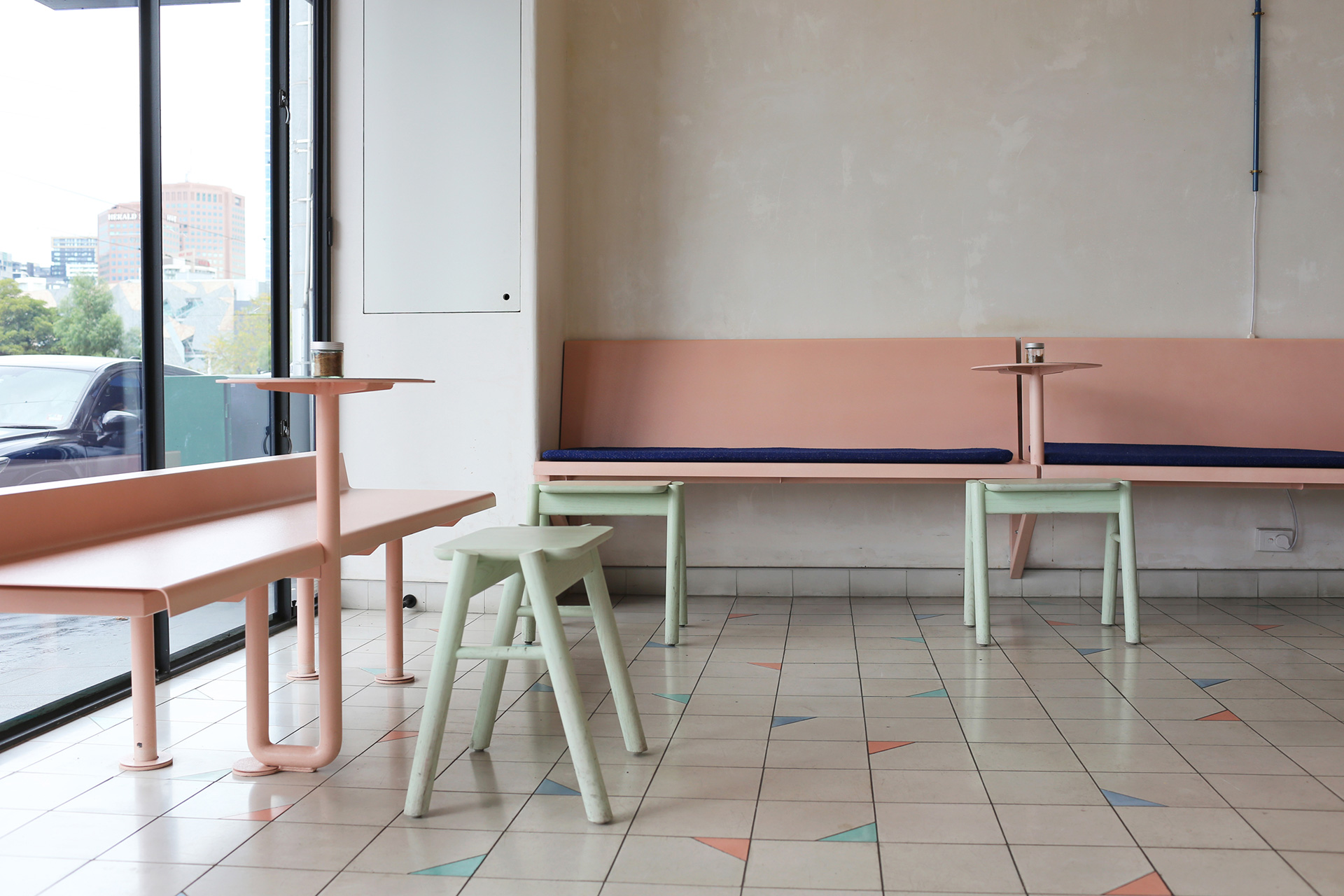
Vacation Coffee in Melbournes, Australia


Materials used
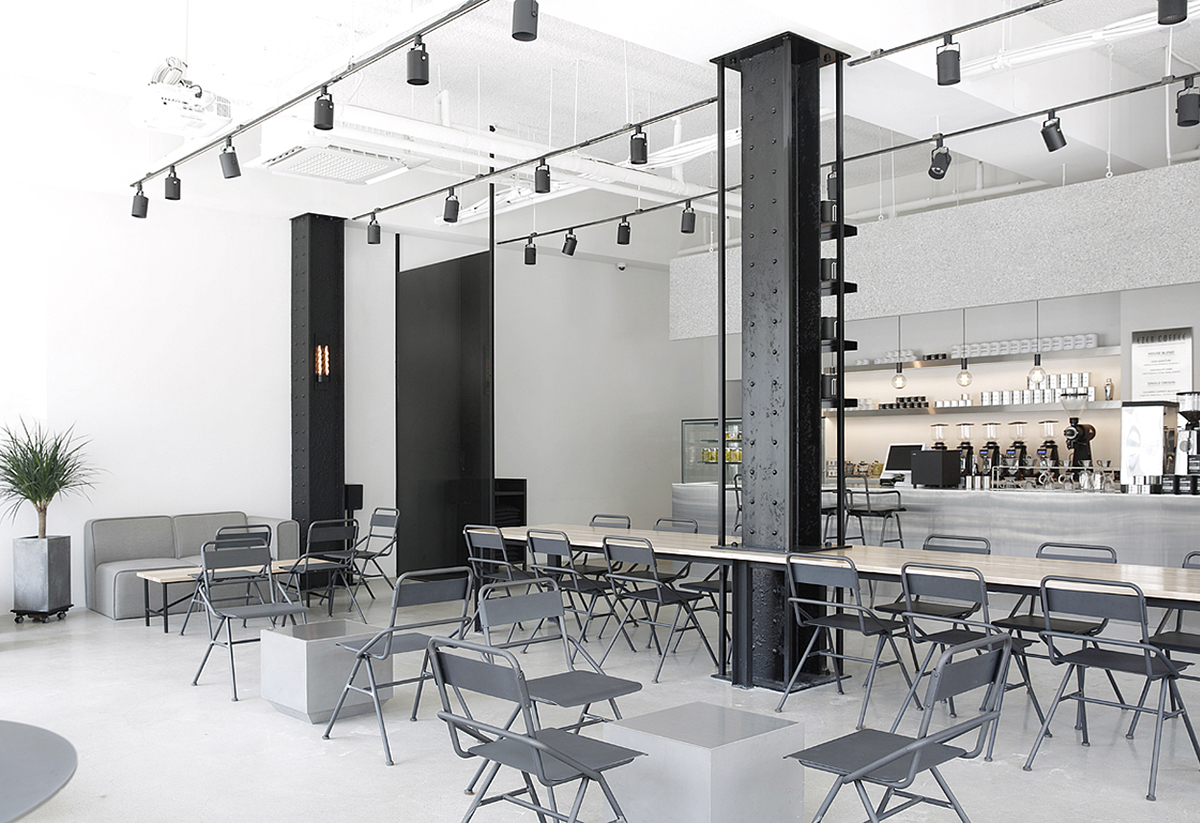
Using fabric and light-colored wood furniture brings warmth to the open space or creates accents with dark metal furniture. Finally, Granite floor tiles and wood-look tiles complete the project.
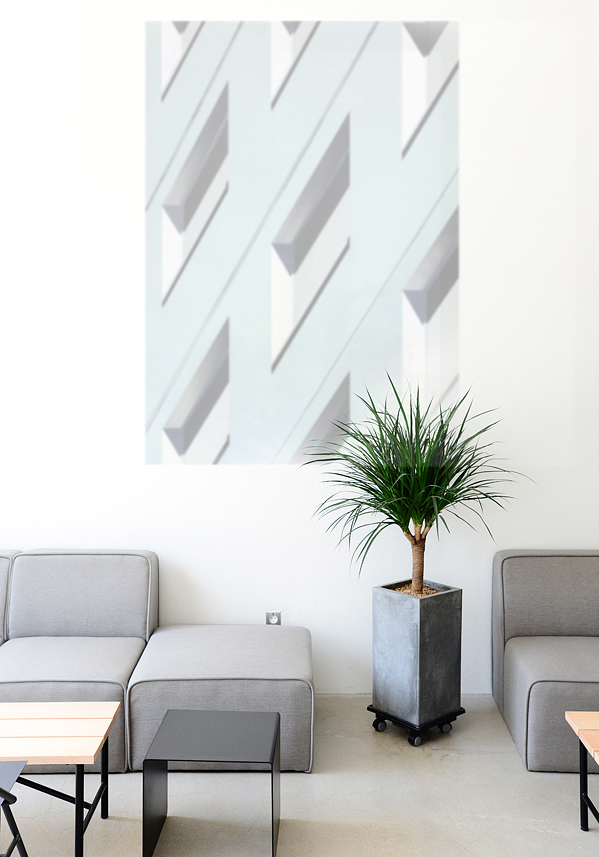
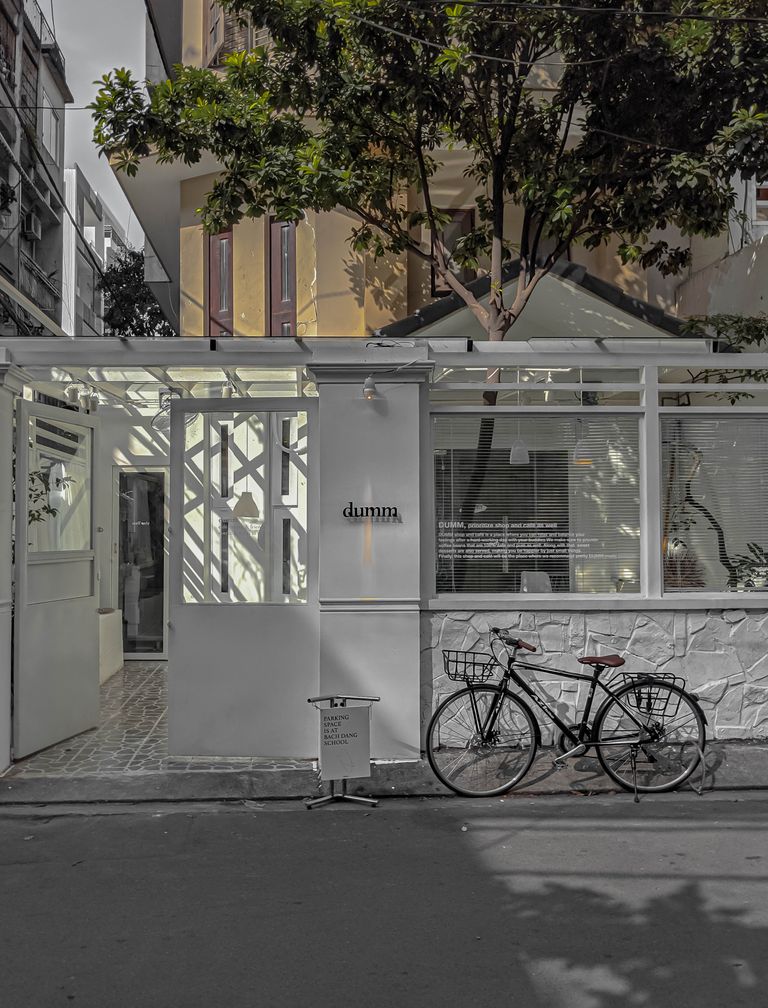
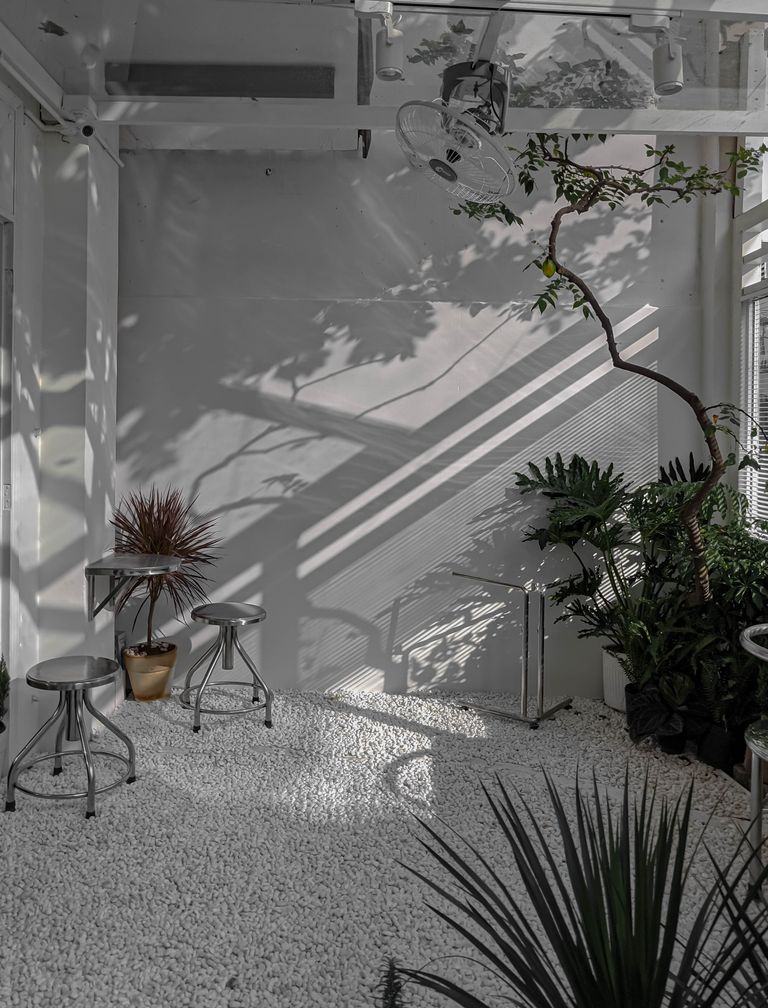
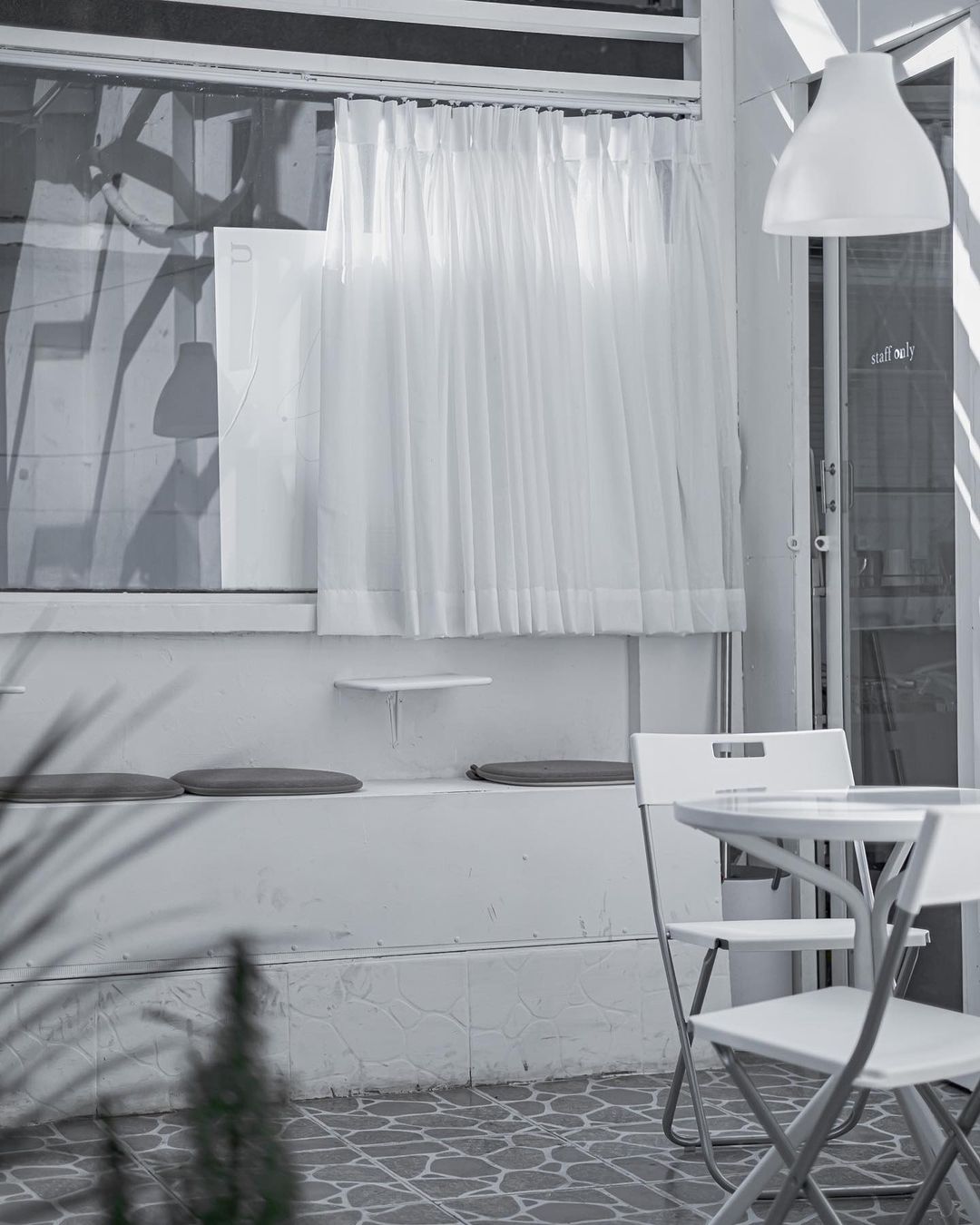
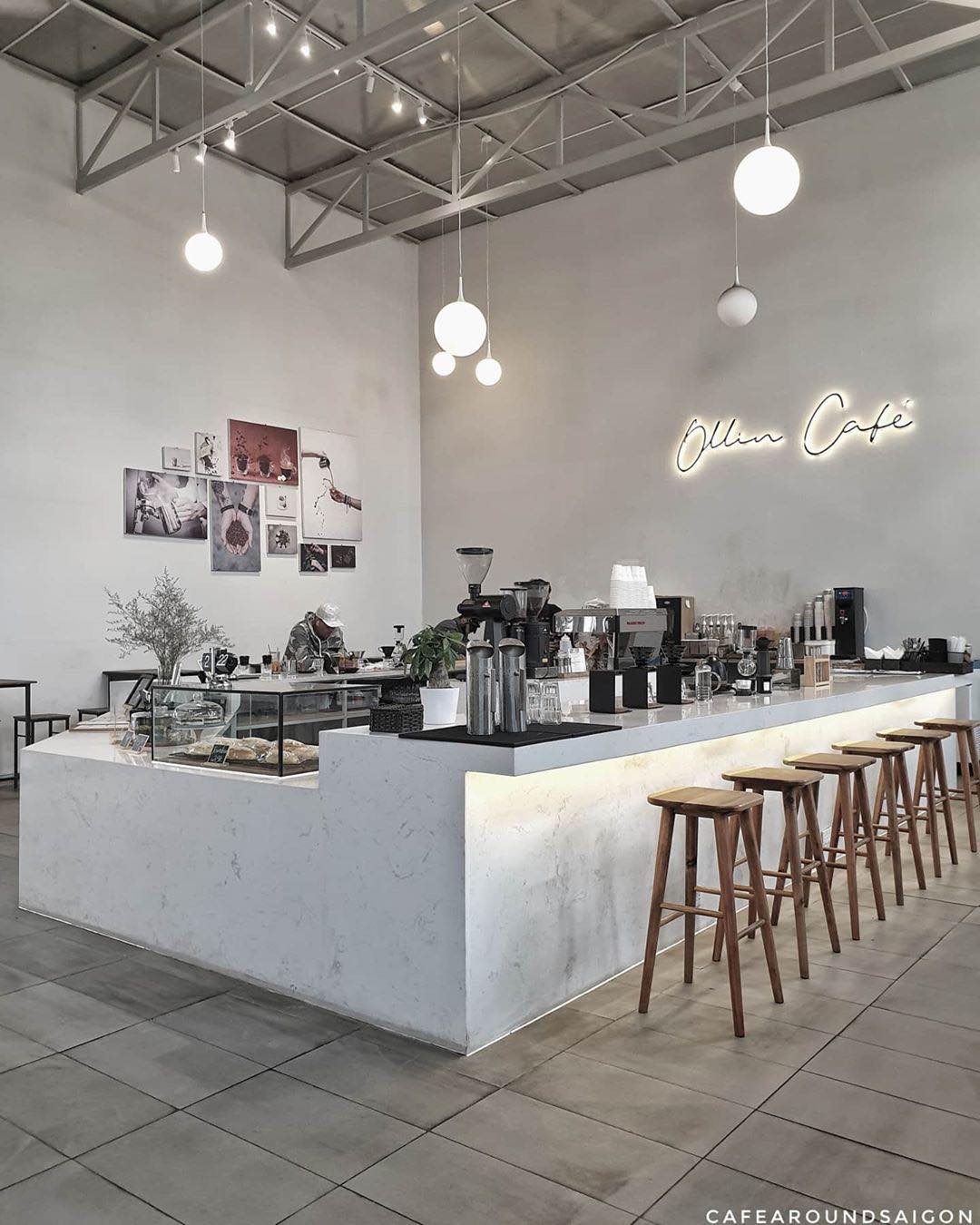
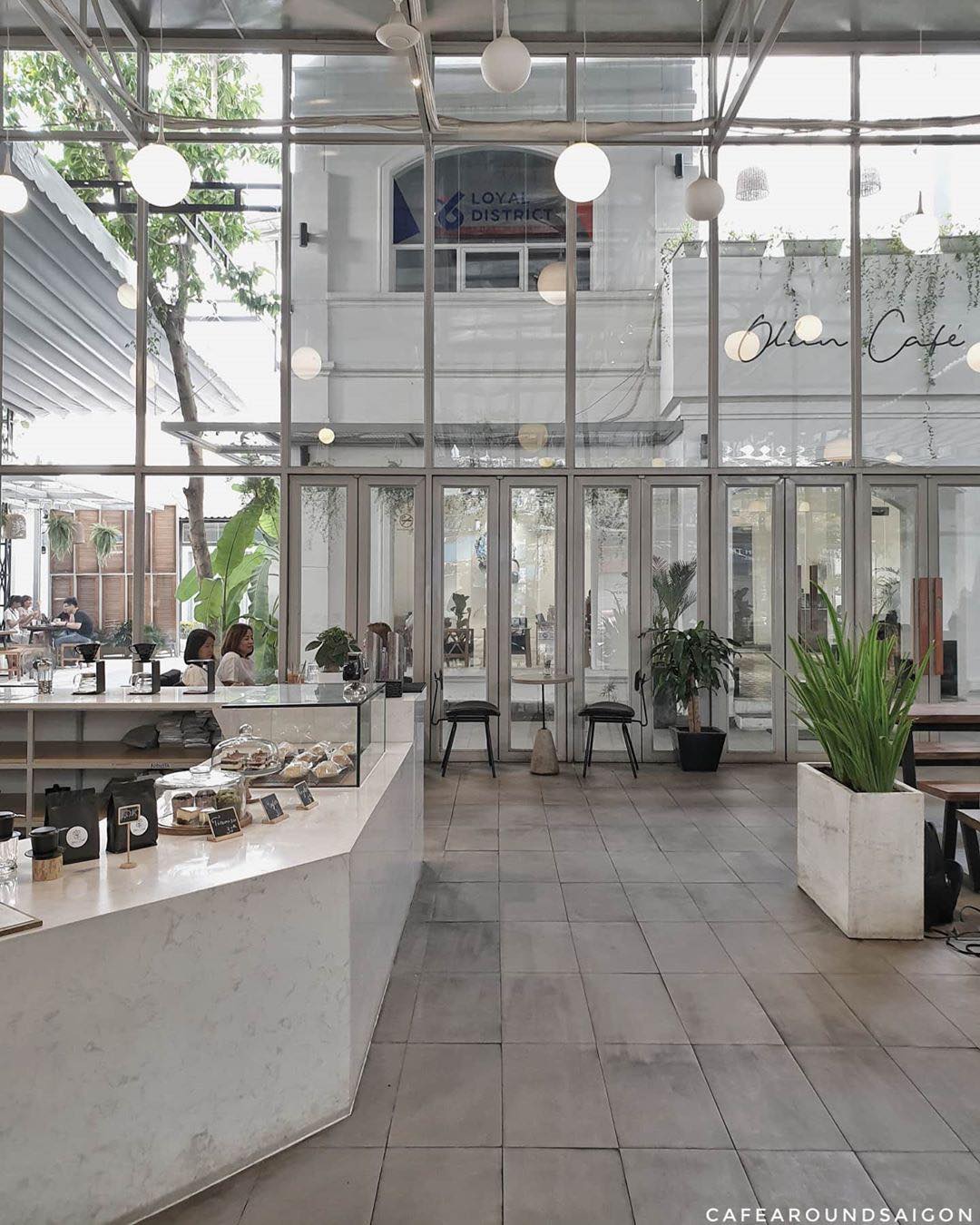
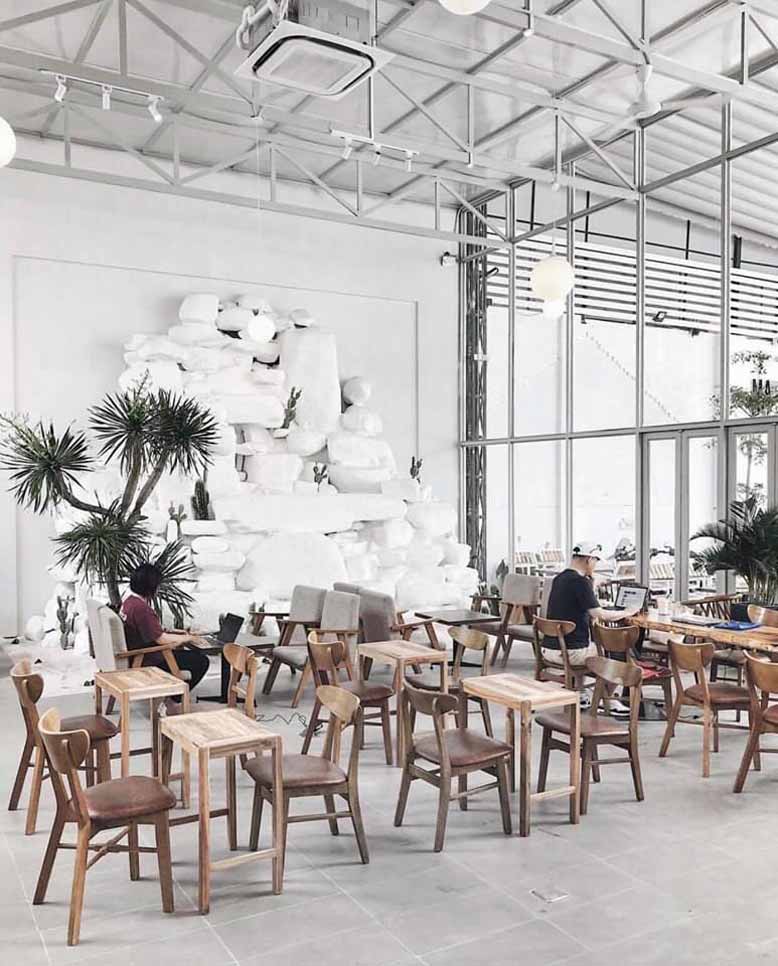
If you love this minimalist style, here are some cafes in Saigon you should visit at least once:
- Dumm Cafe
Credit: @coffee.saigon

- 11:11 Cafe

- Ollin Cafe District 7
Credit: @Ador
2. Industrial
The Industrial style is an interior design approach characterized by using raw, tough materials in an open layout. Historically, Industrial style was influenced by the two Industrial Revolutions of 1760 and 1870; as industries developed rapidly, factories expanded to consolidate multiple operations under one roof for higher efficiency. These massive structures required sturdier building materials, leaving exposed elements like concrete and steel.
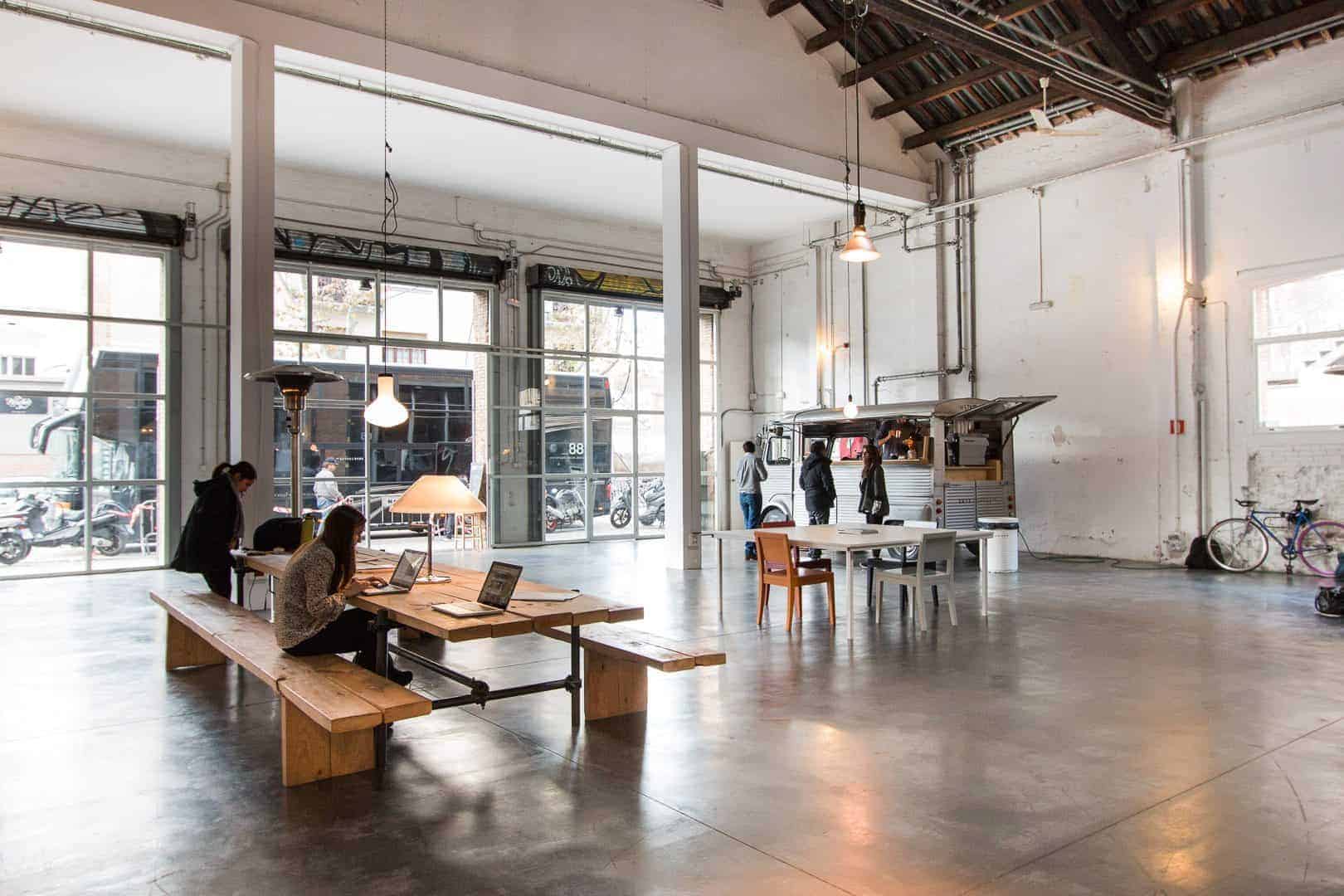
Skye Coffee in Spain
Steel beams, exposed pipes, concrete floors, rustic lighting fixtures, wood, unpainted brick walls, high ceilings, and large windows are signature elements of this interior design style.
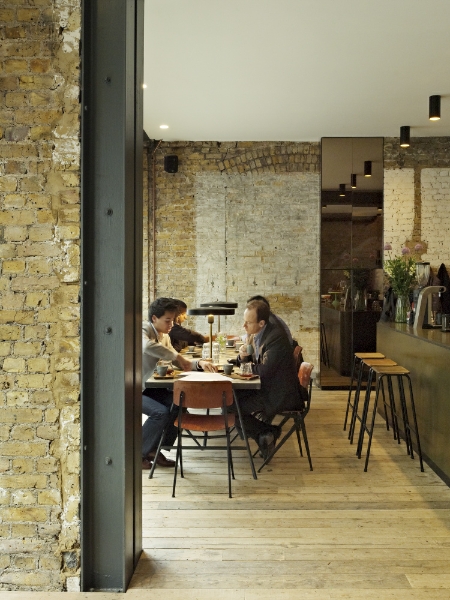
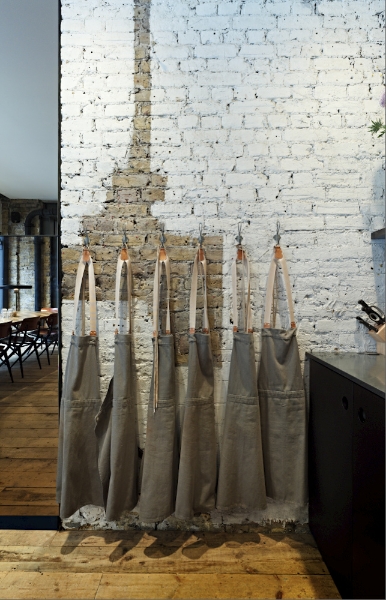
Exposed brick walls
Industrial spaces feature exposed brick walls to bring a rustic feel, mimicking factory structures.
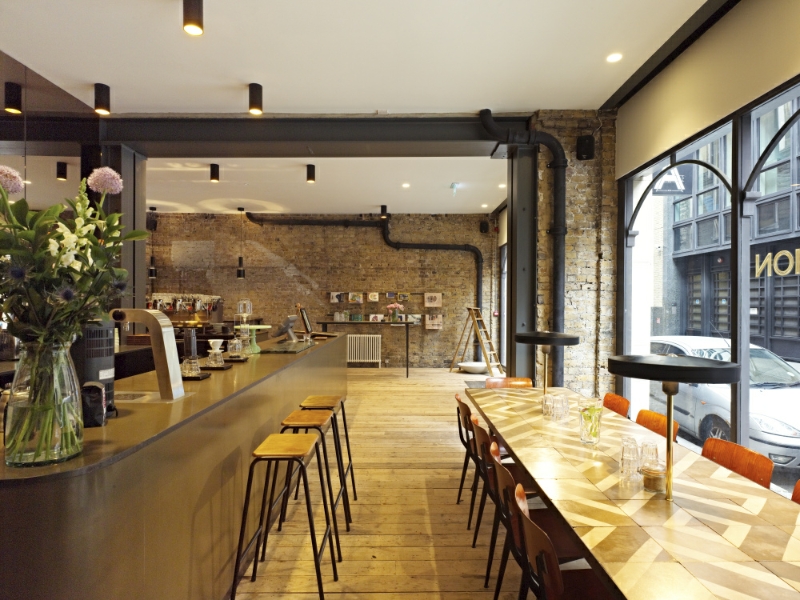
Association Coffee in London
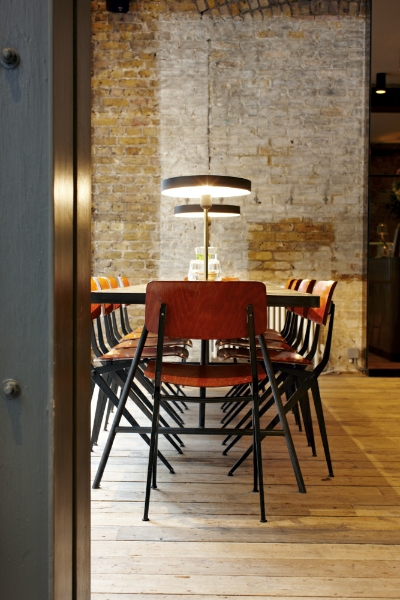
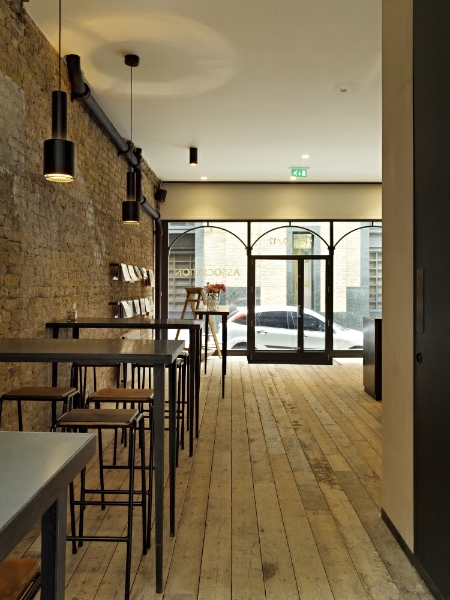
An “unfinished” look
The raw elements of an industrial space are key. Exposed wood and metal materials form the primary combination in Industrial furniture design. Additionally, displaying steel beams, piping, and air ducts gives the space an “unfinished” look, which is precisely the defining characteristic of the industrial style you are aiming for.
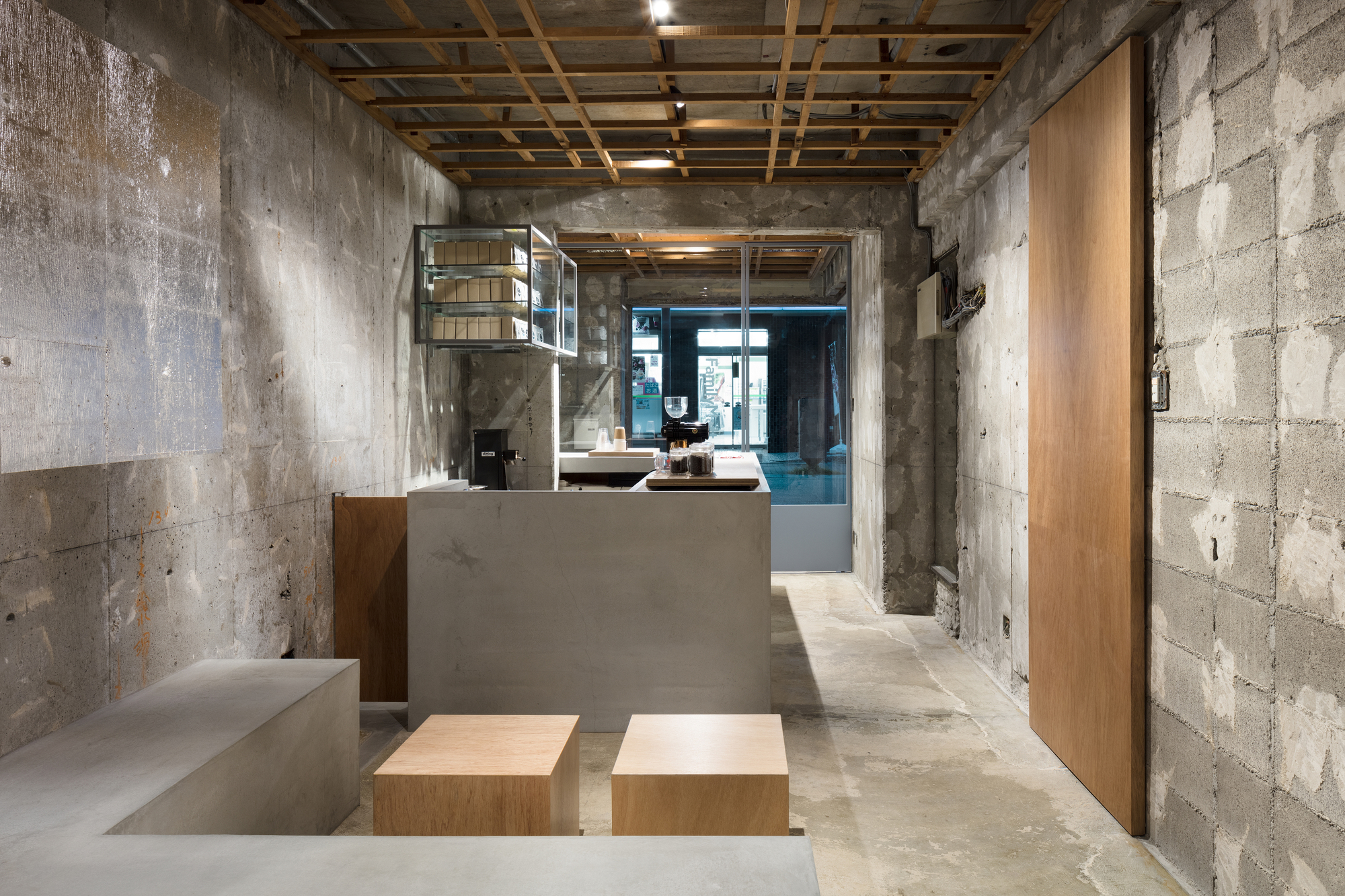
Voice of Coffee in Kobe-shi, Hyogo, Japan
Color Palette
Bold and bright colors are rarely found in an Industrial-style space. In this style, brown and deep navy blue occasionally appear, but metallic palettes such as silver, gray, and bronze remain dominant.
Materials
Industrial interiors are often inspired by antique or vintage design, so several vintage items are selected as decorative accents. Leather is essential to add warmth to an otherwise cool metallic space. Deep brown leather sofas and cage pendant lights are commonly found in industrial-style lounge areas.
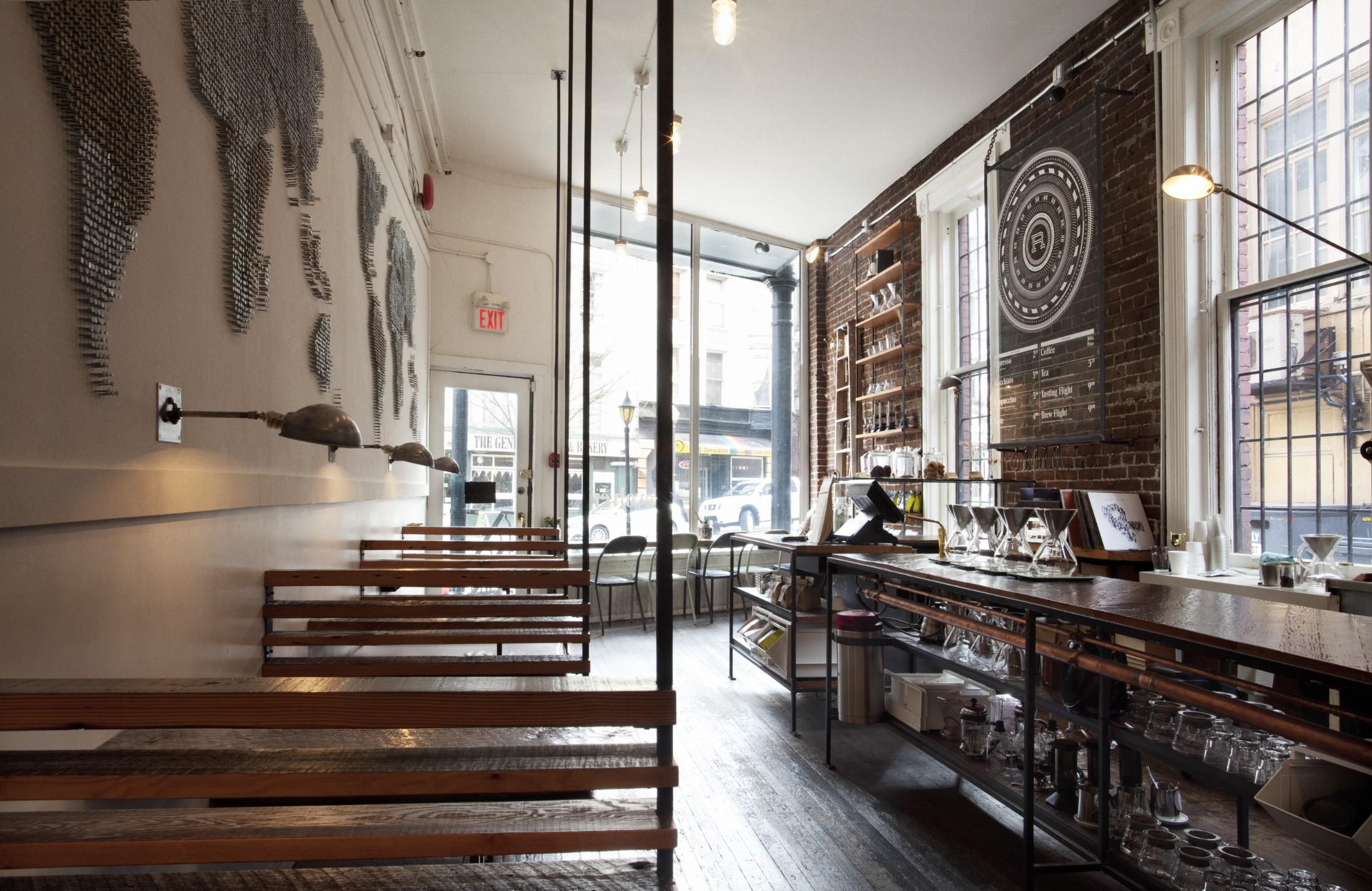
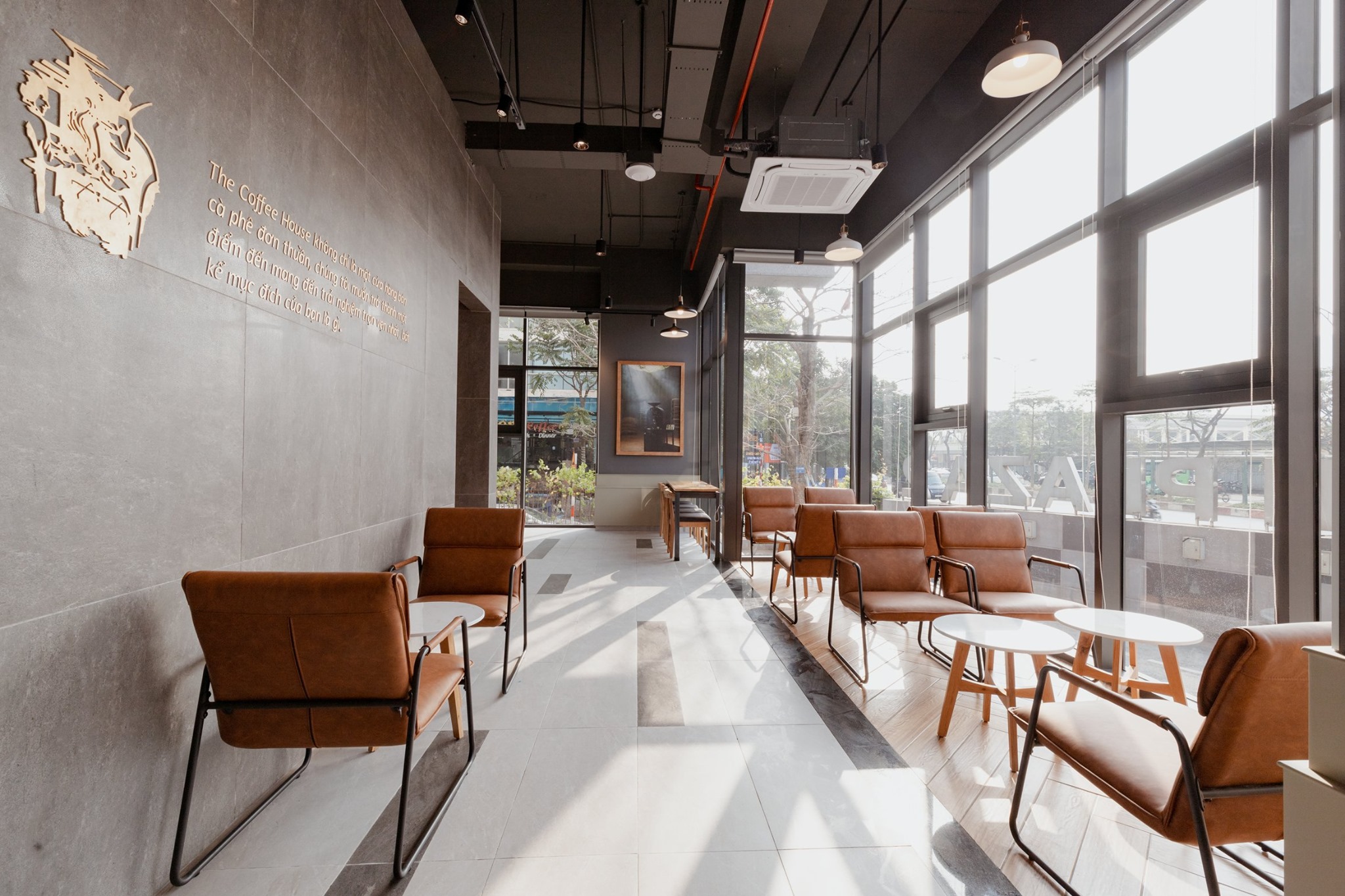
Additionally, finishing materials often include wood-look tiles or concrete tiles.
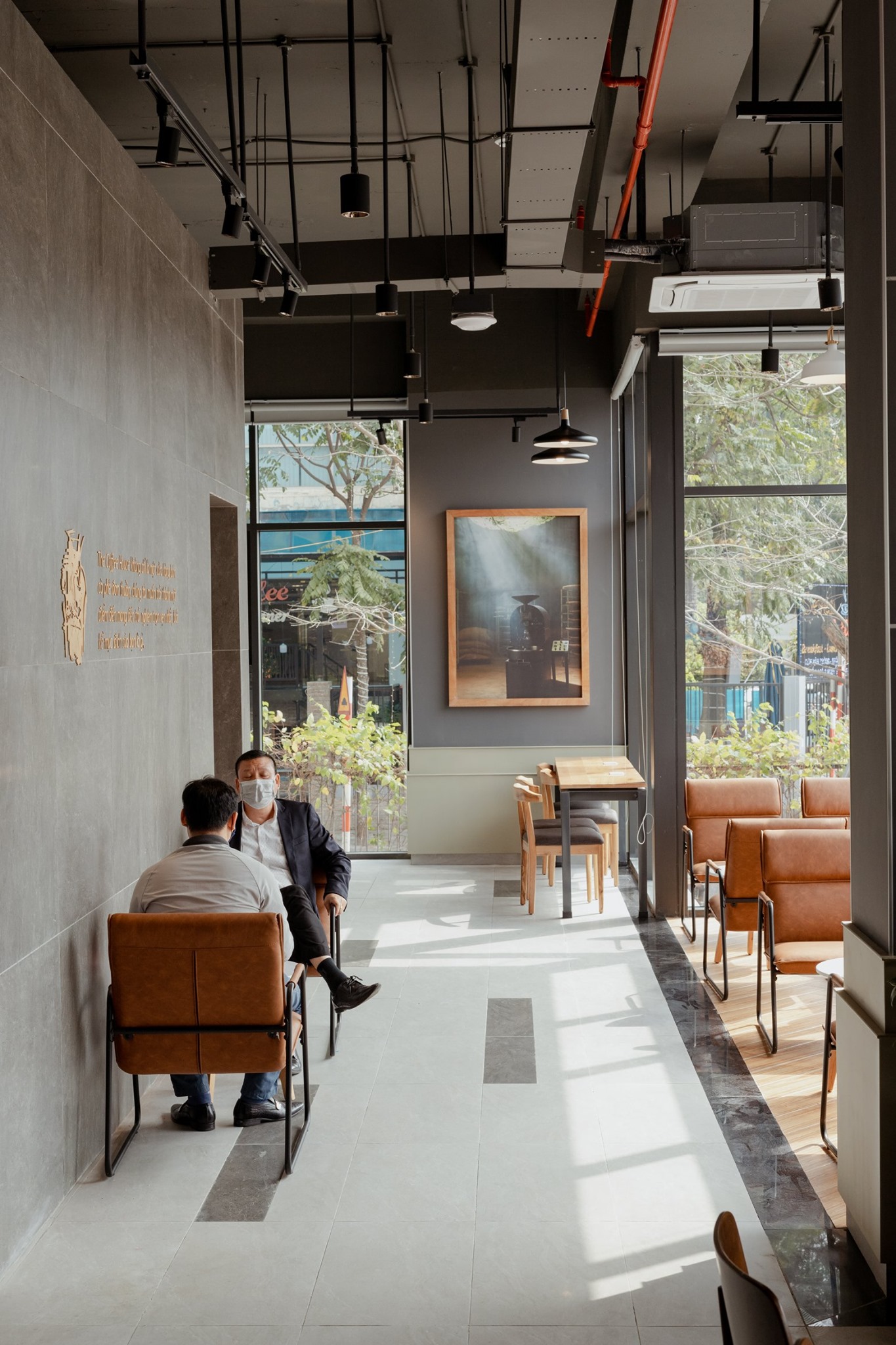
Some Industrial-style cafes in Vietnam
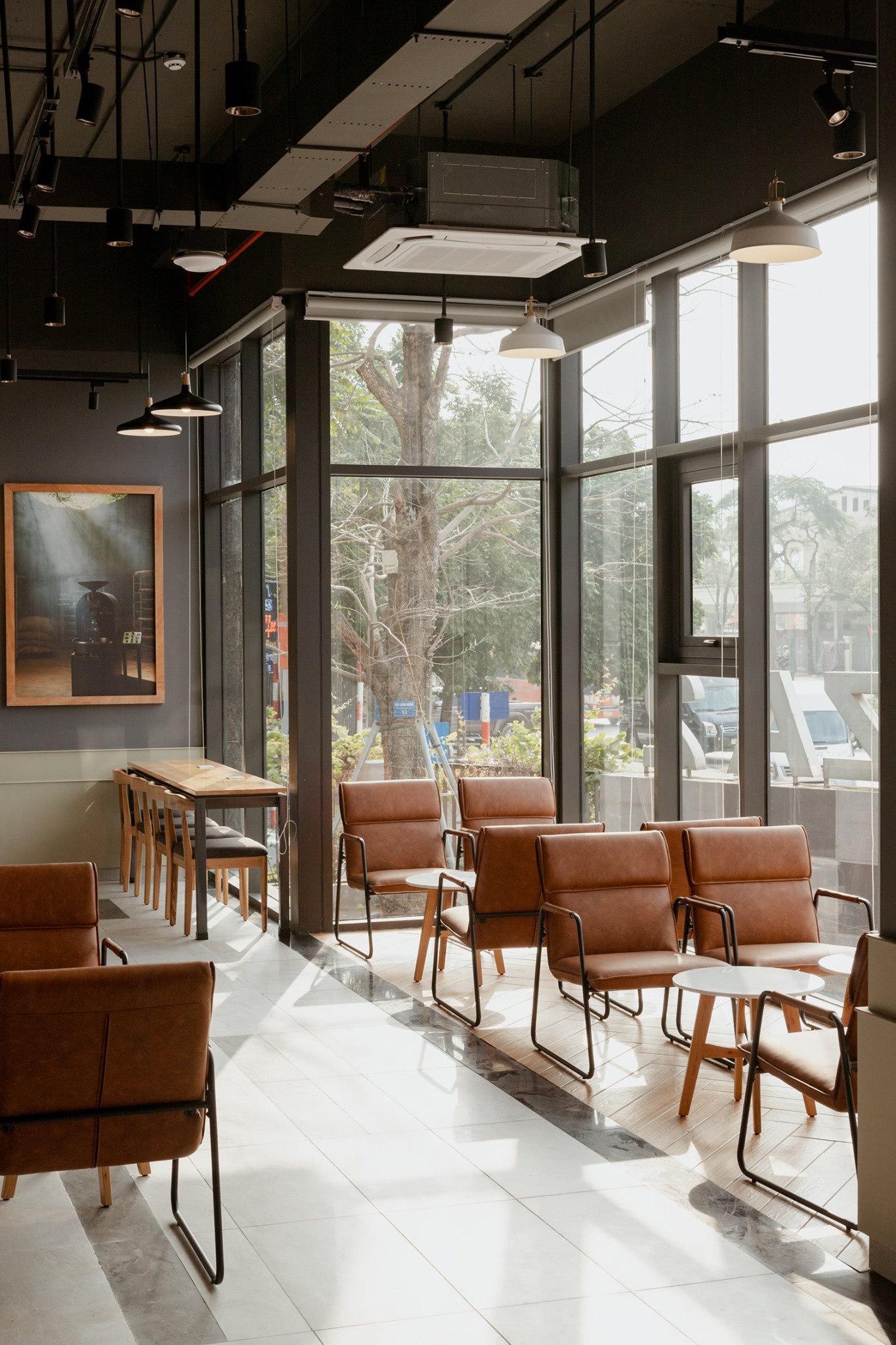
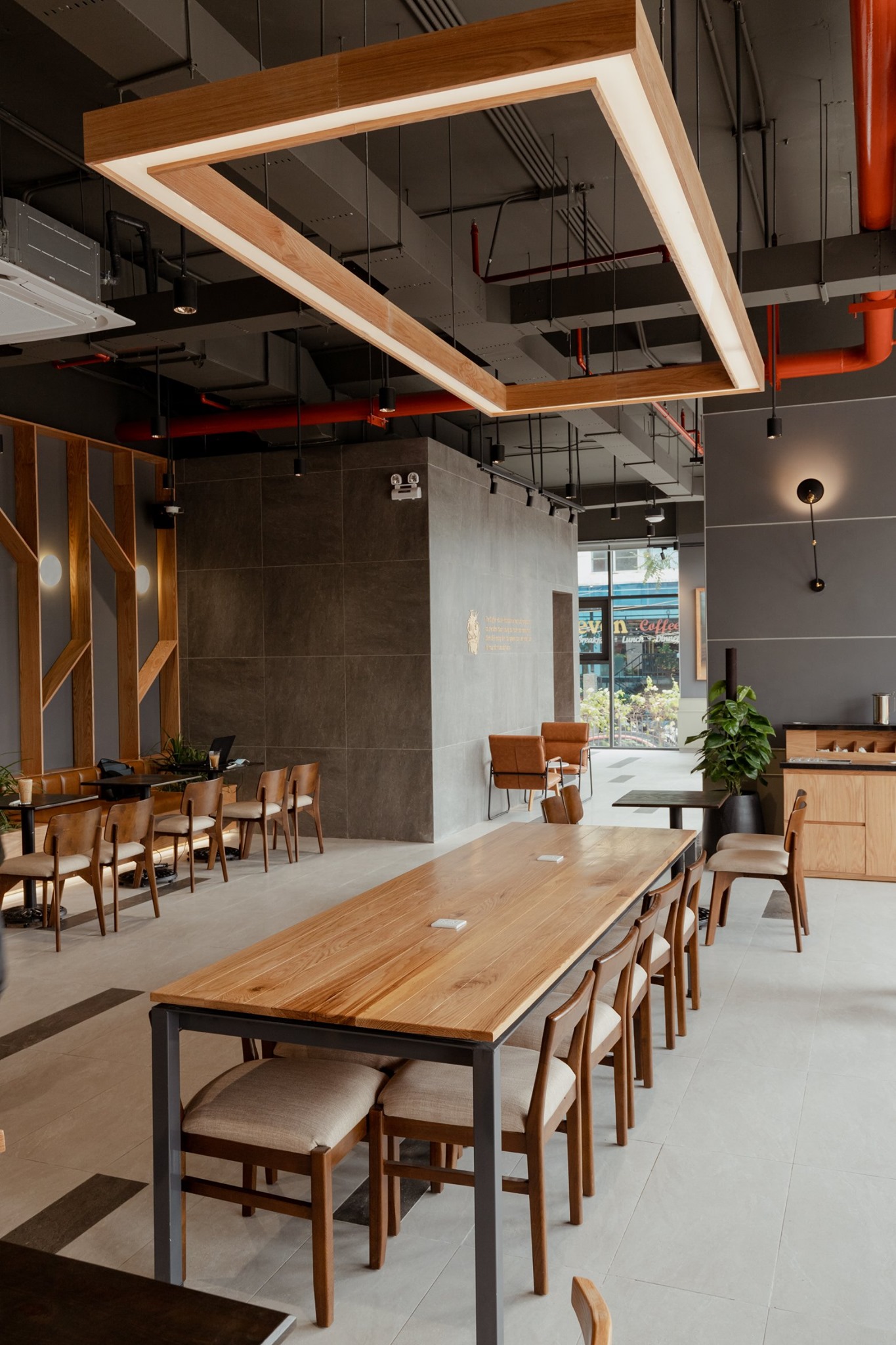
Most prominent is The Coffee House chain
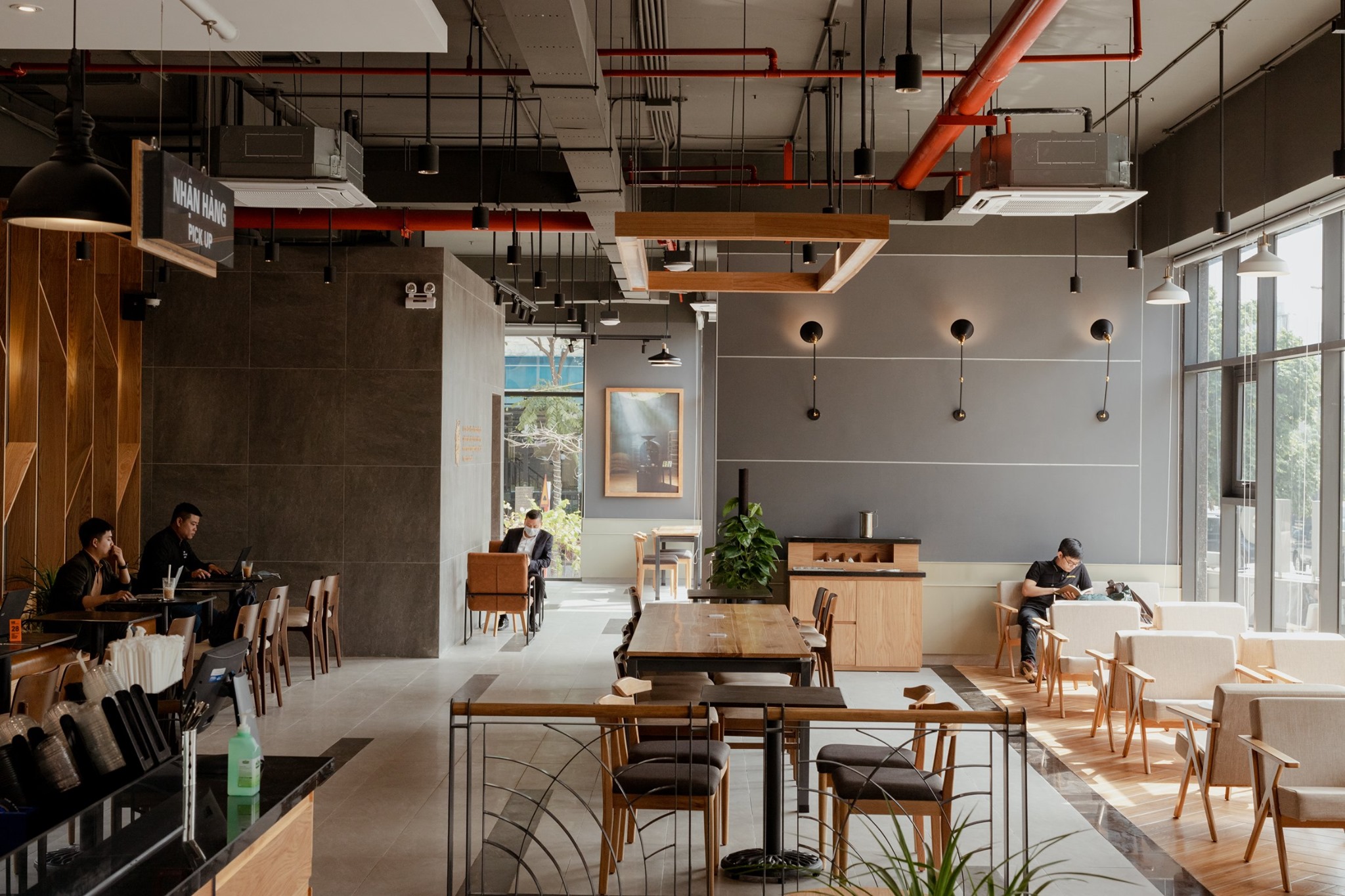
The Coffee House in Industrial style
3. Scandinavian
Scandinavian interior design is a minimalist style that uses a blend of textures and soft colors to deliver a look that is both modern and warm.
Playing with natural light
Scandinavian interior design is known for its minimalist color scheme, cozy accents, and prominent modern furniture. Designs frequently maximize natural light, which is highly valued across Nordic countries.
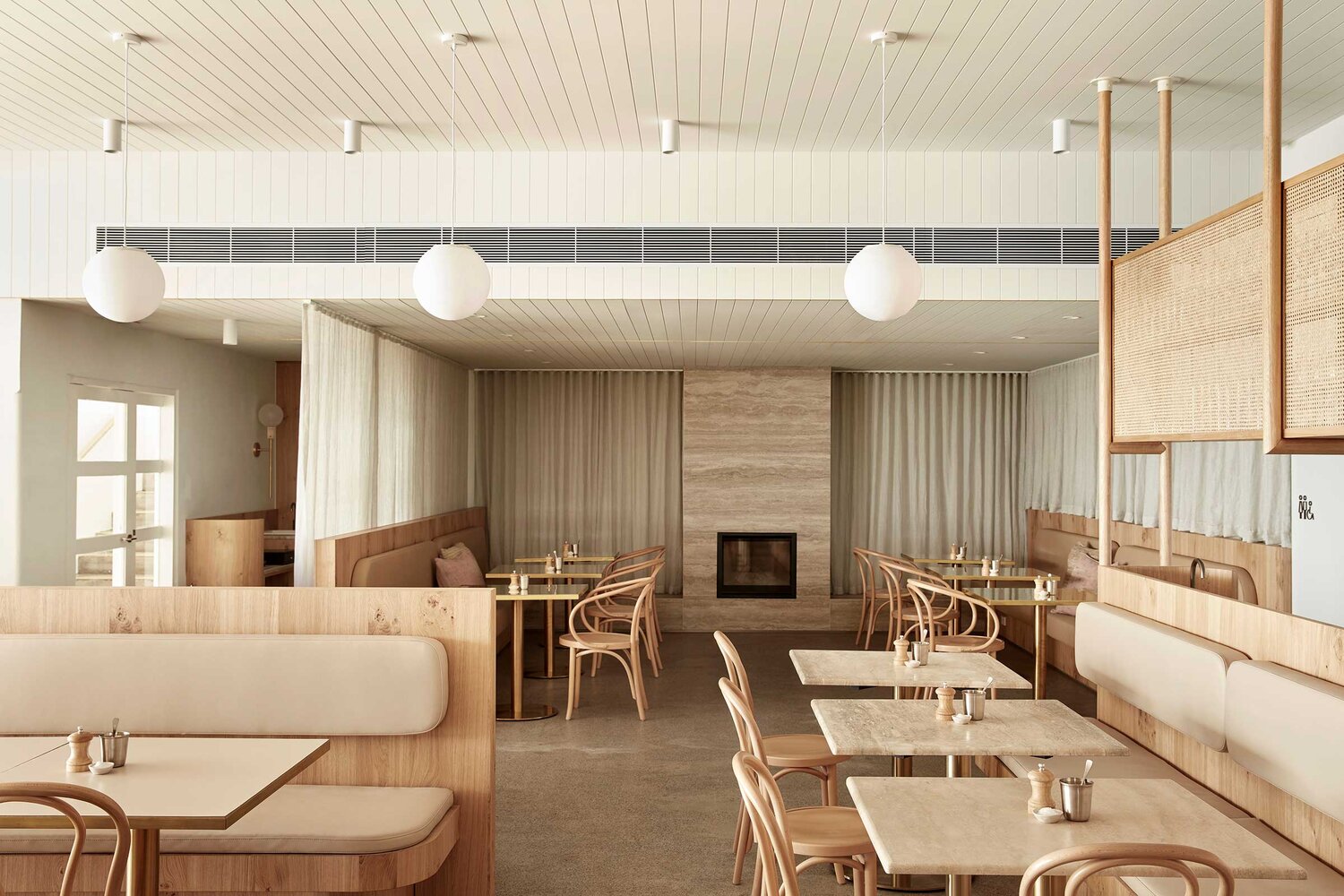
The Beach House in Geelong, Victoria
Modern furniture
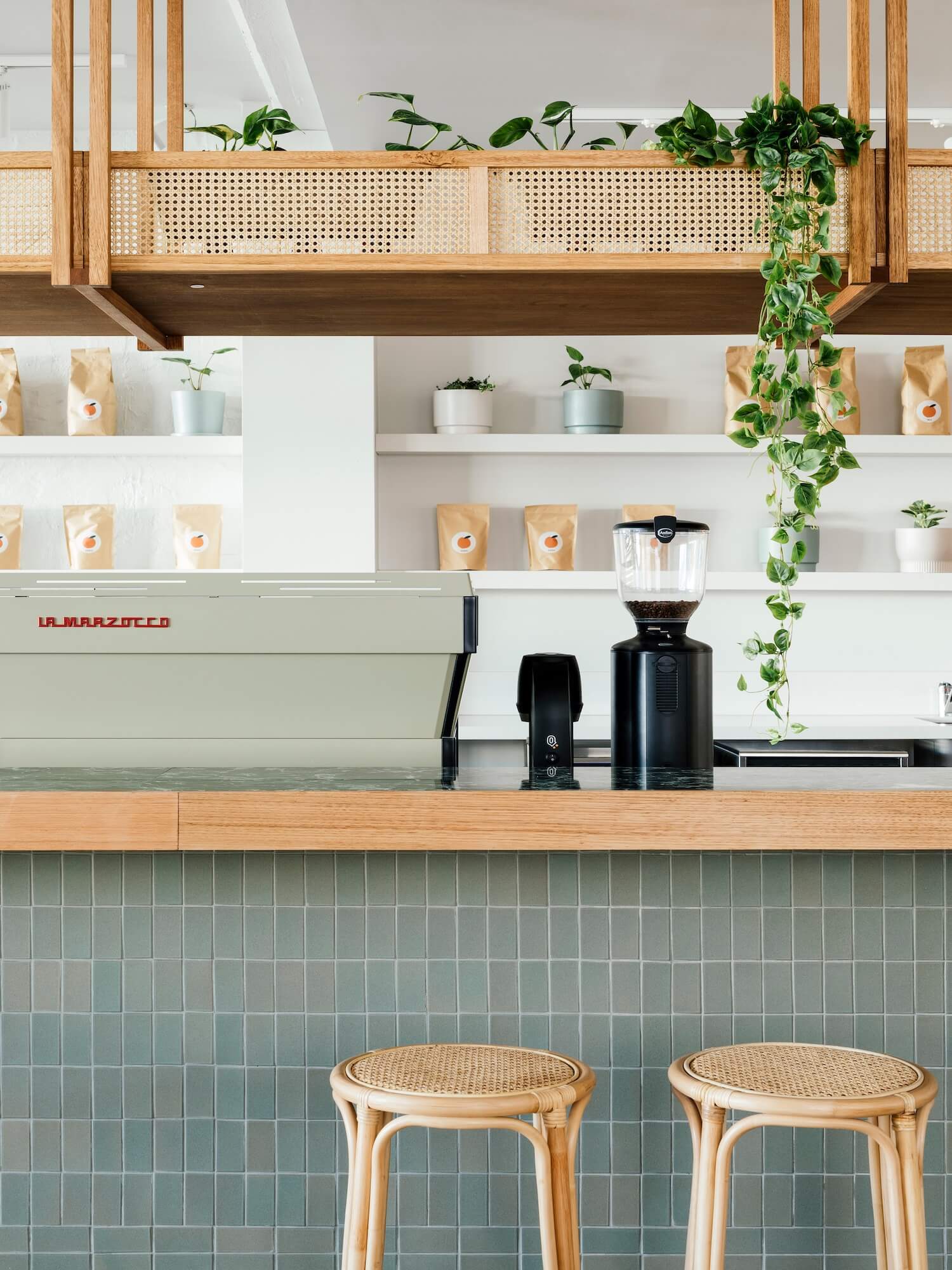
Even in newly built contemporary spaces, modern furniture is key. Scandinavian furniture features clean lines, focuses on functionality, and usually comes in light colors. Popular finishing materials include subway tiles, concrete tiles, terrazzo, wood-look tiles, and various other decorative tiles.
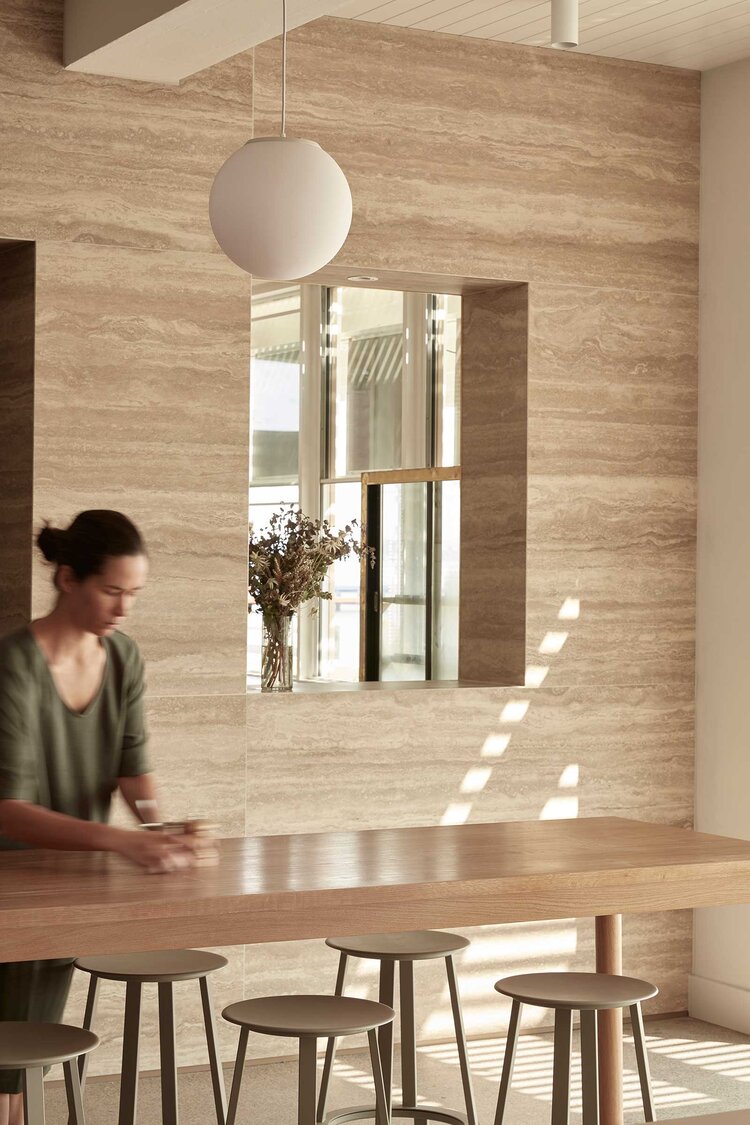
Color selection
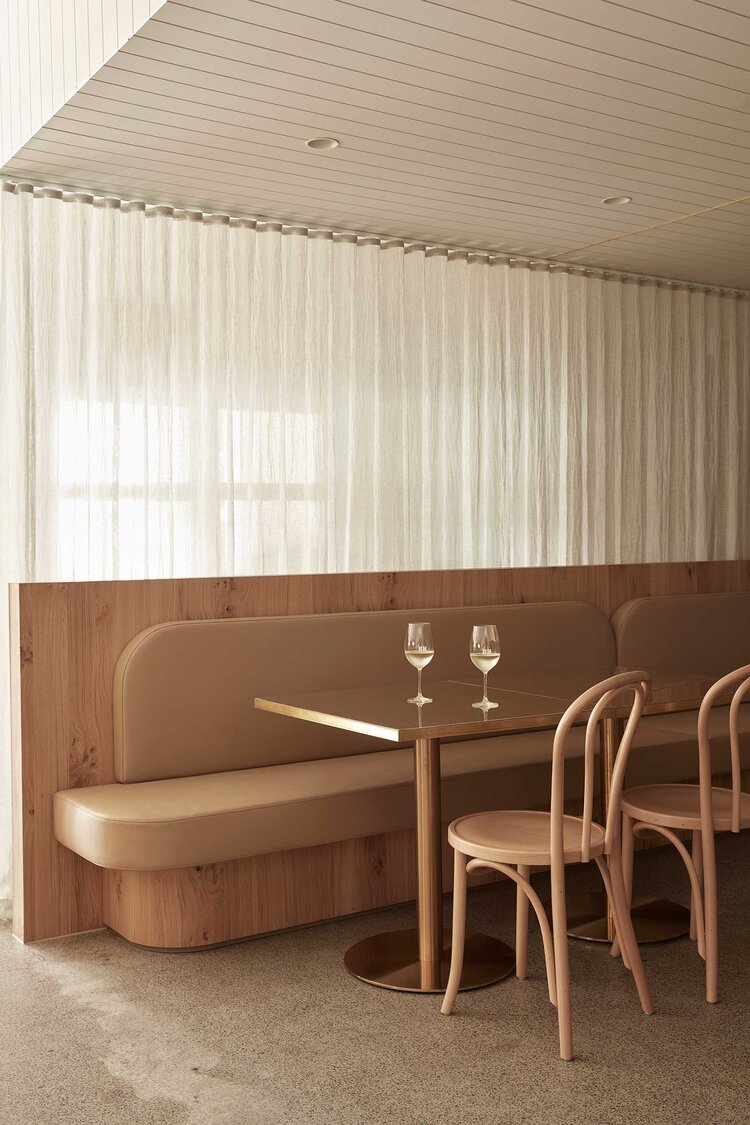
A signature feature of Scandinavian design is the use of white and neutral tones. In typical Scandinavian home decor, walls are often painted white to make furniture and decorative pieces pop, balanced with warm-toned wooden flooring.
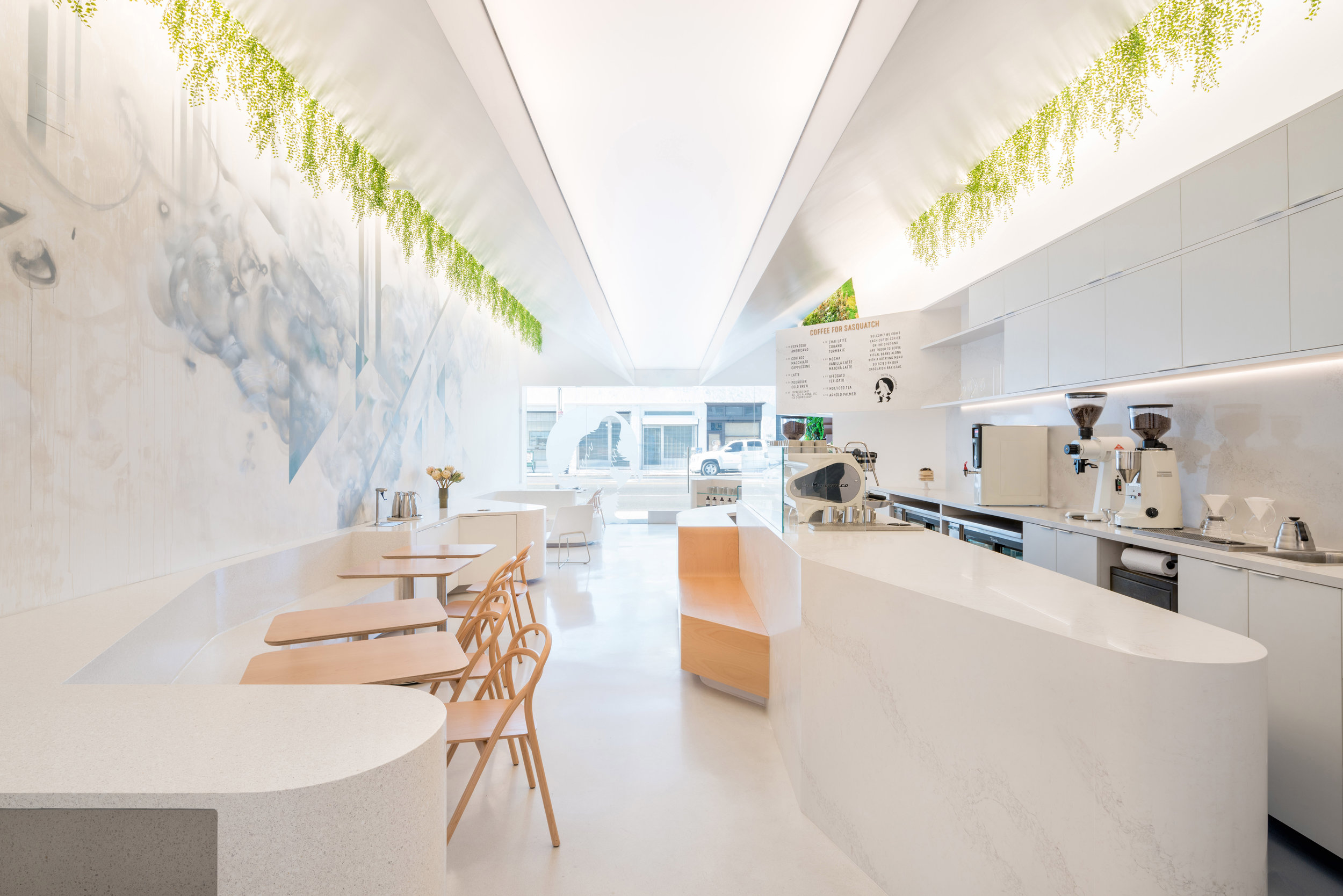
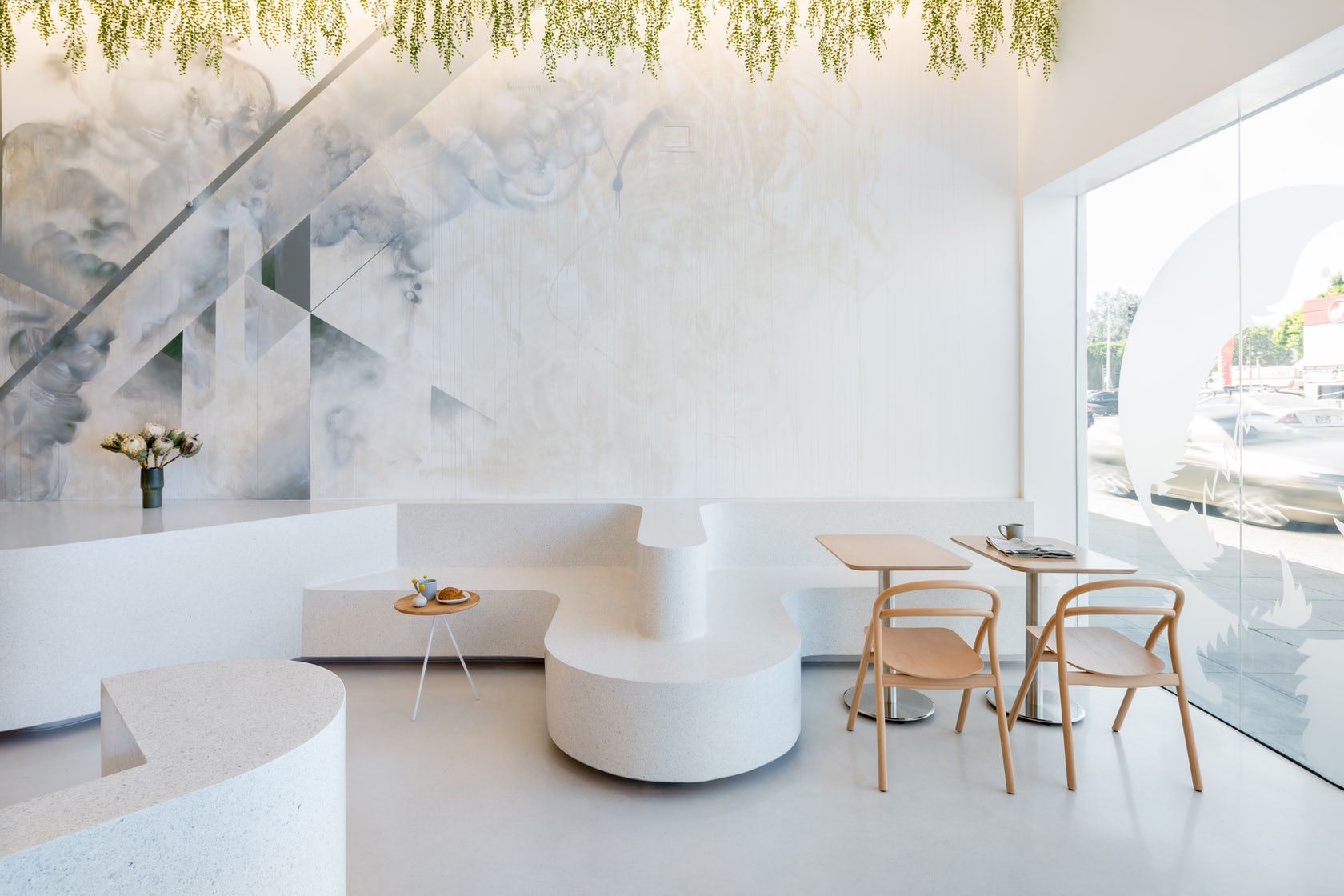
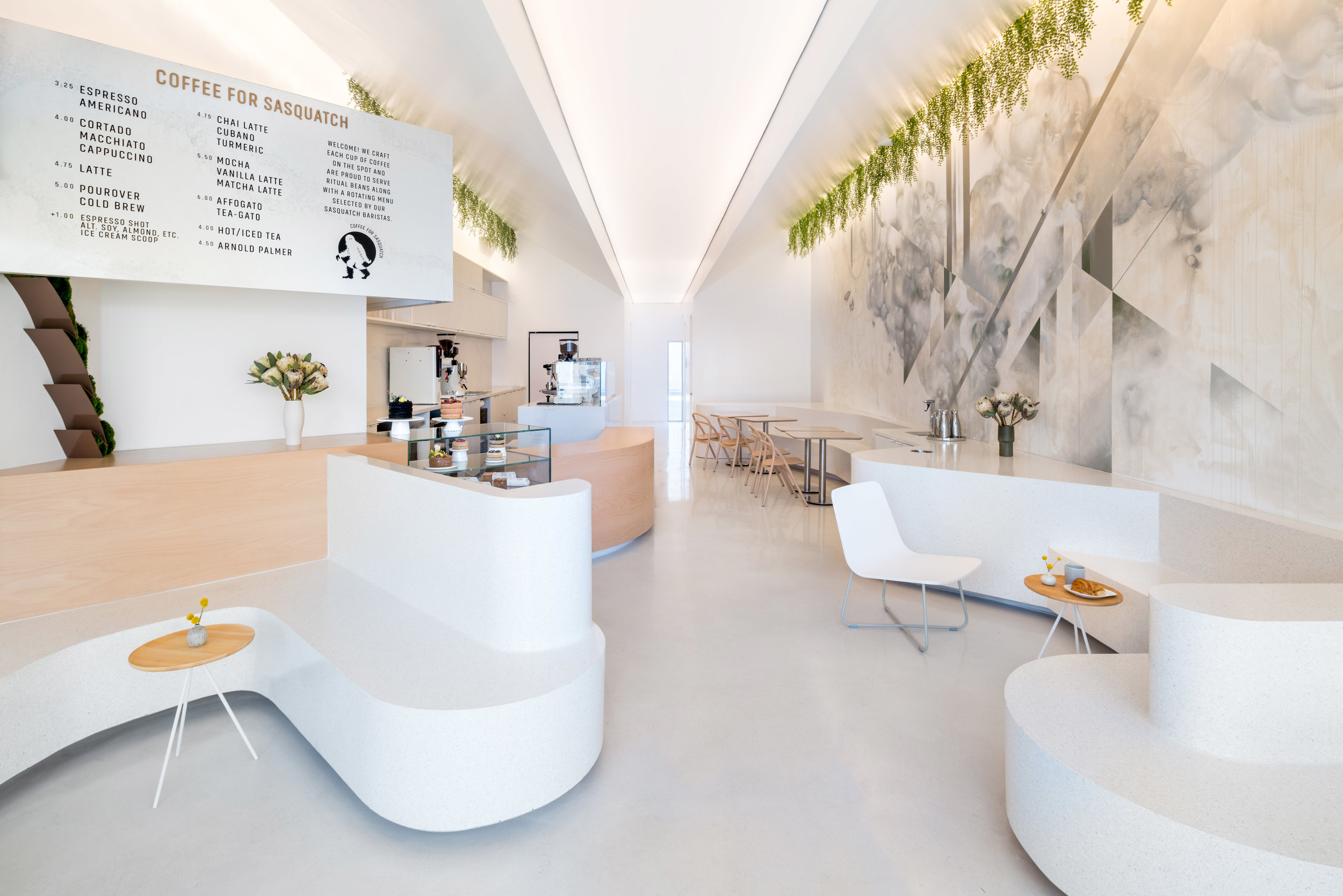
Scandinavian-style cafes in Saigon
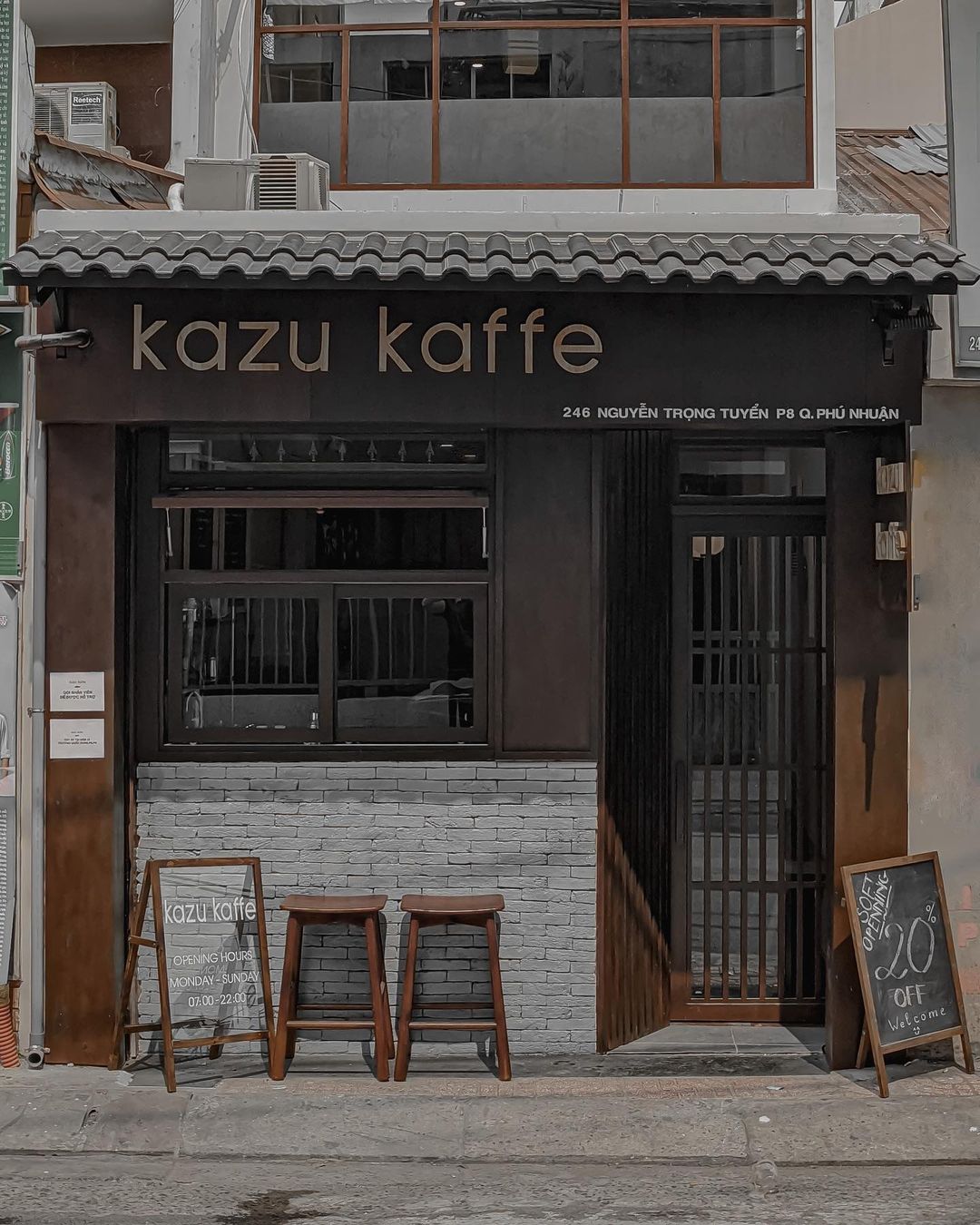
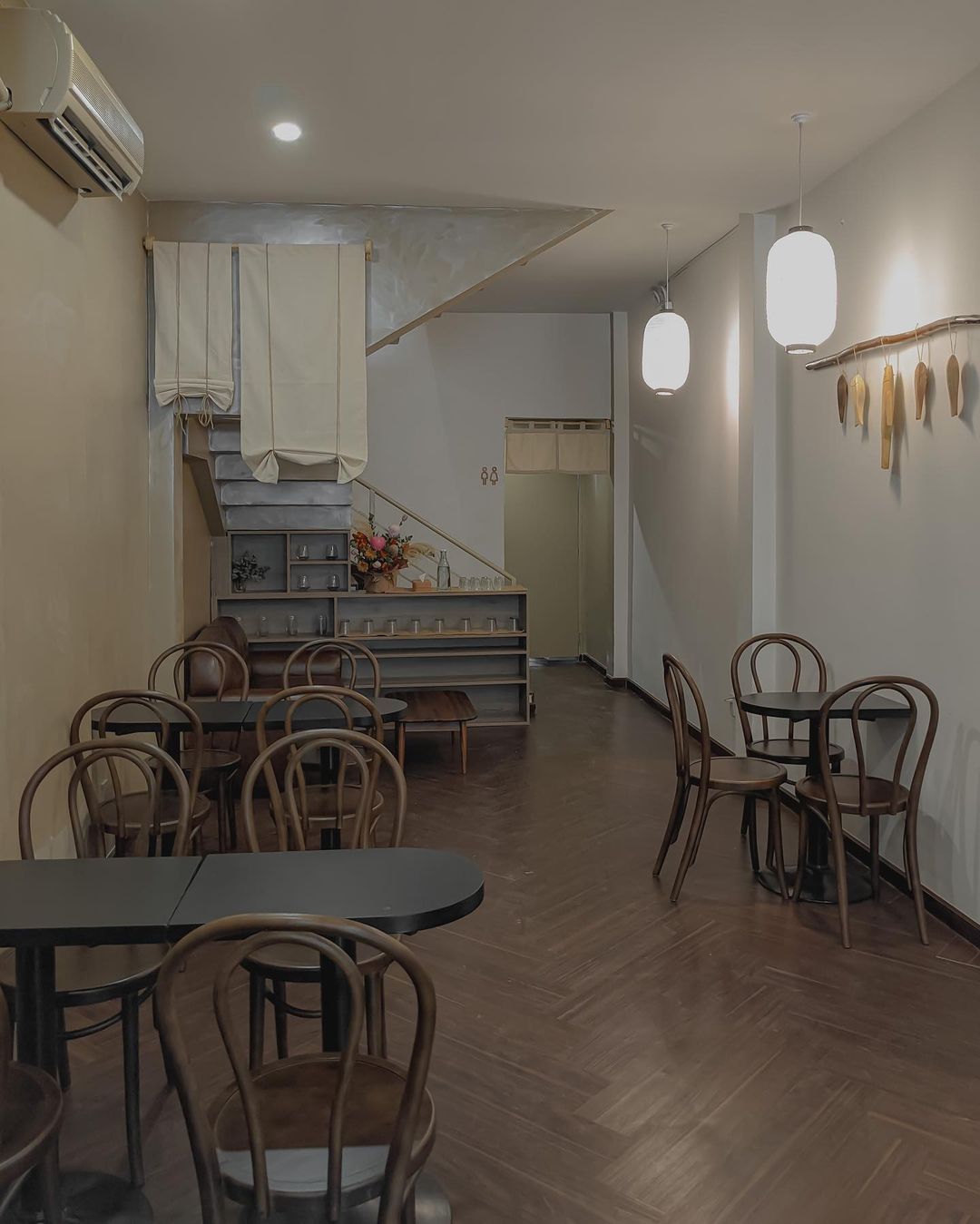
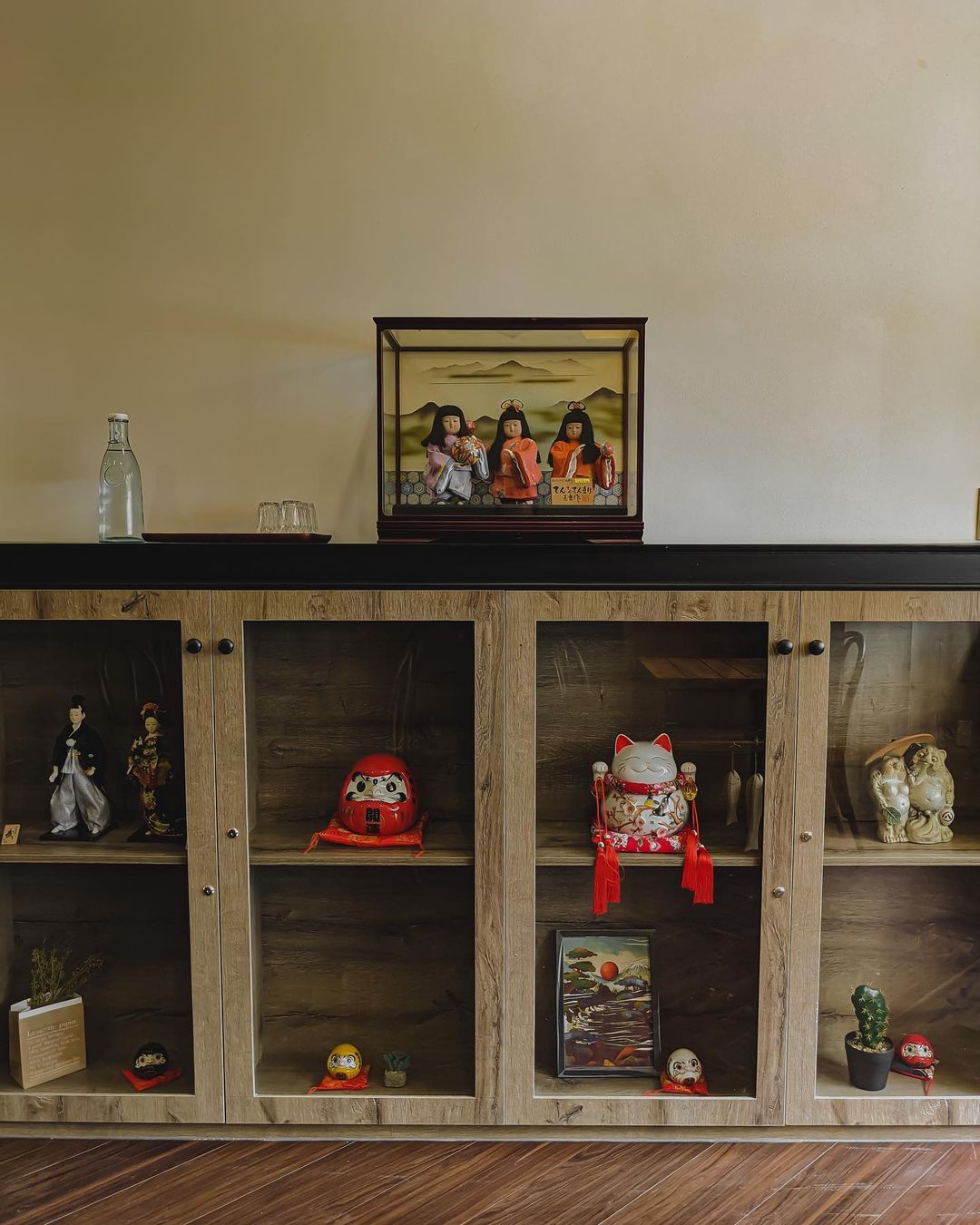
- Kazu Kaffe
Credit: @coffee.saigon
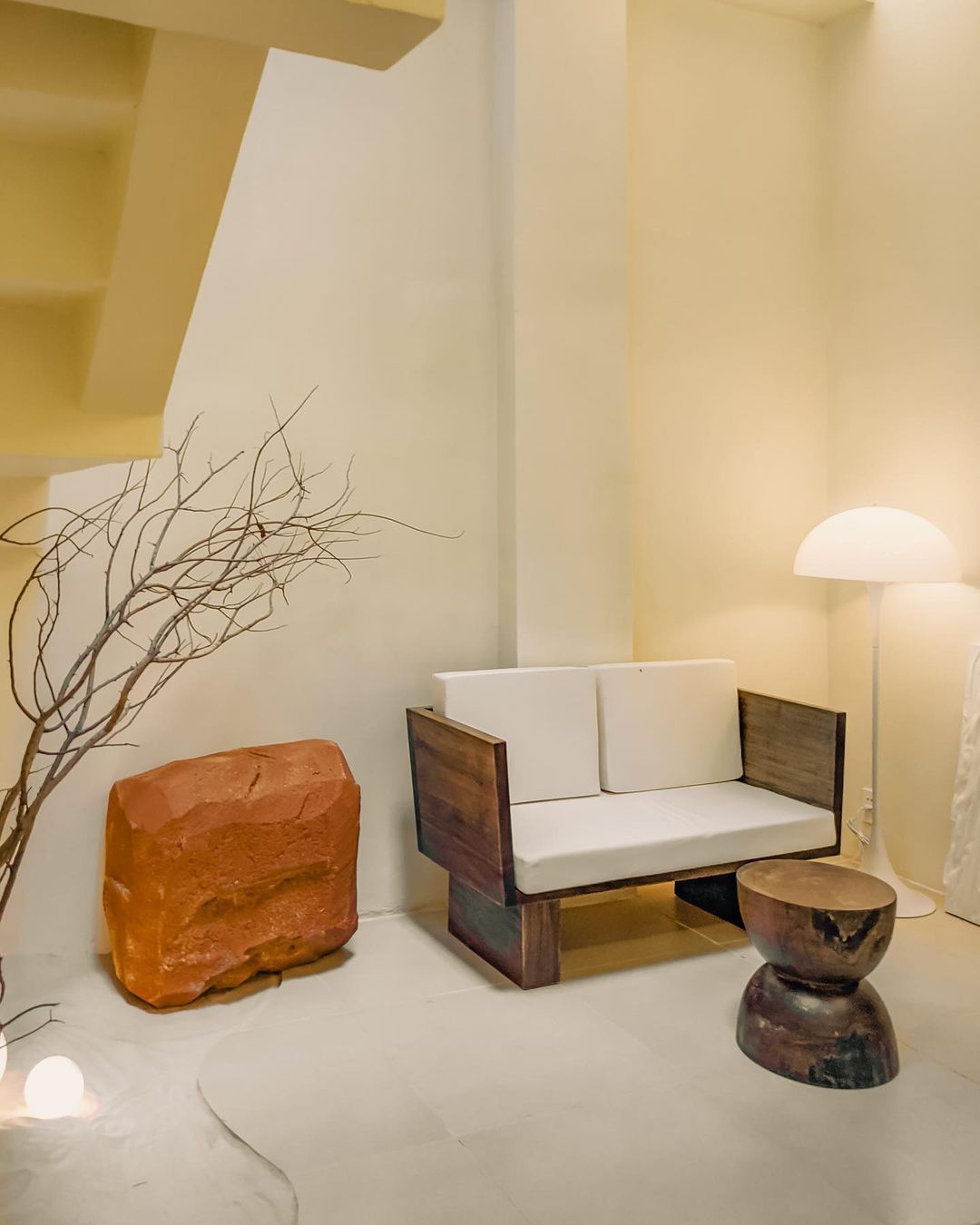
- Gia Room
Credit: @coffee.saigon
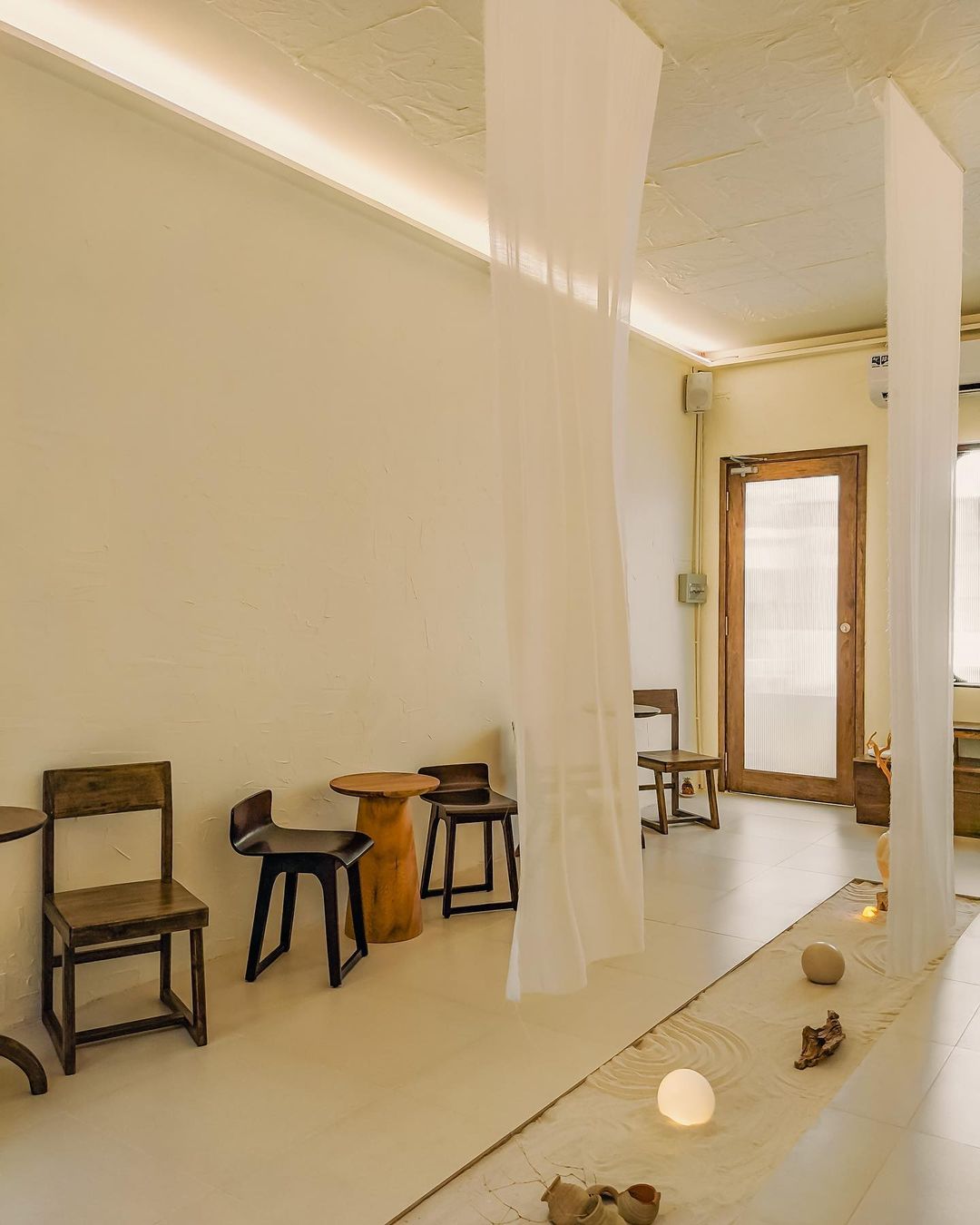

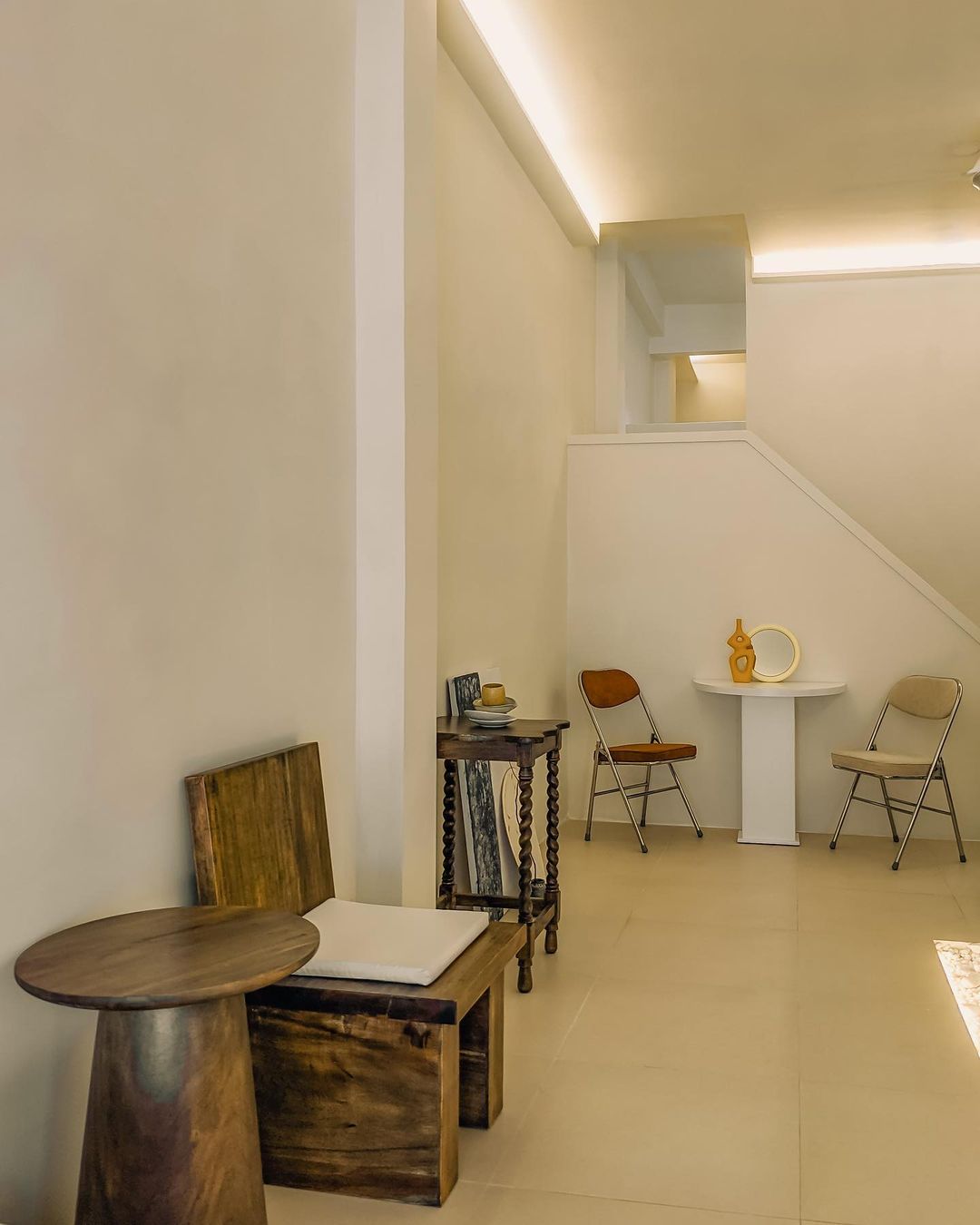
4. Japandi
Japandi is a combination of the timeless elegance of Japanese aesthetics, the imperfect beauty of Wabi-Sabi design principles, and modern Scandinavian style, creating a perfectly balanced space.
Color Palette
Japandi brings together the light, airy tones of Scandinavian design with the warm, natural tones of Japanese style. White is used, but soft nature-inspired colors such as brown, beige, and terracotta dominate. Colors must be natural and simple.
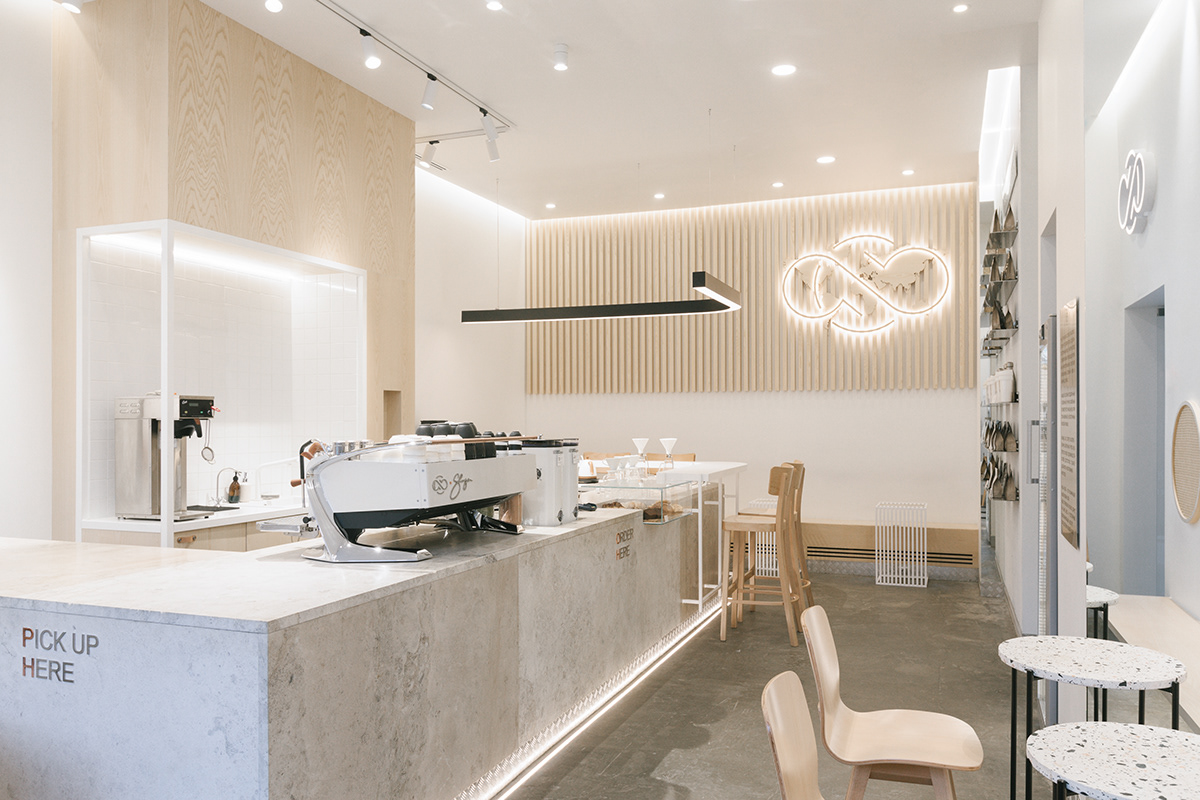
ABC Coffee Roasters in Japandi style
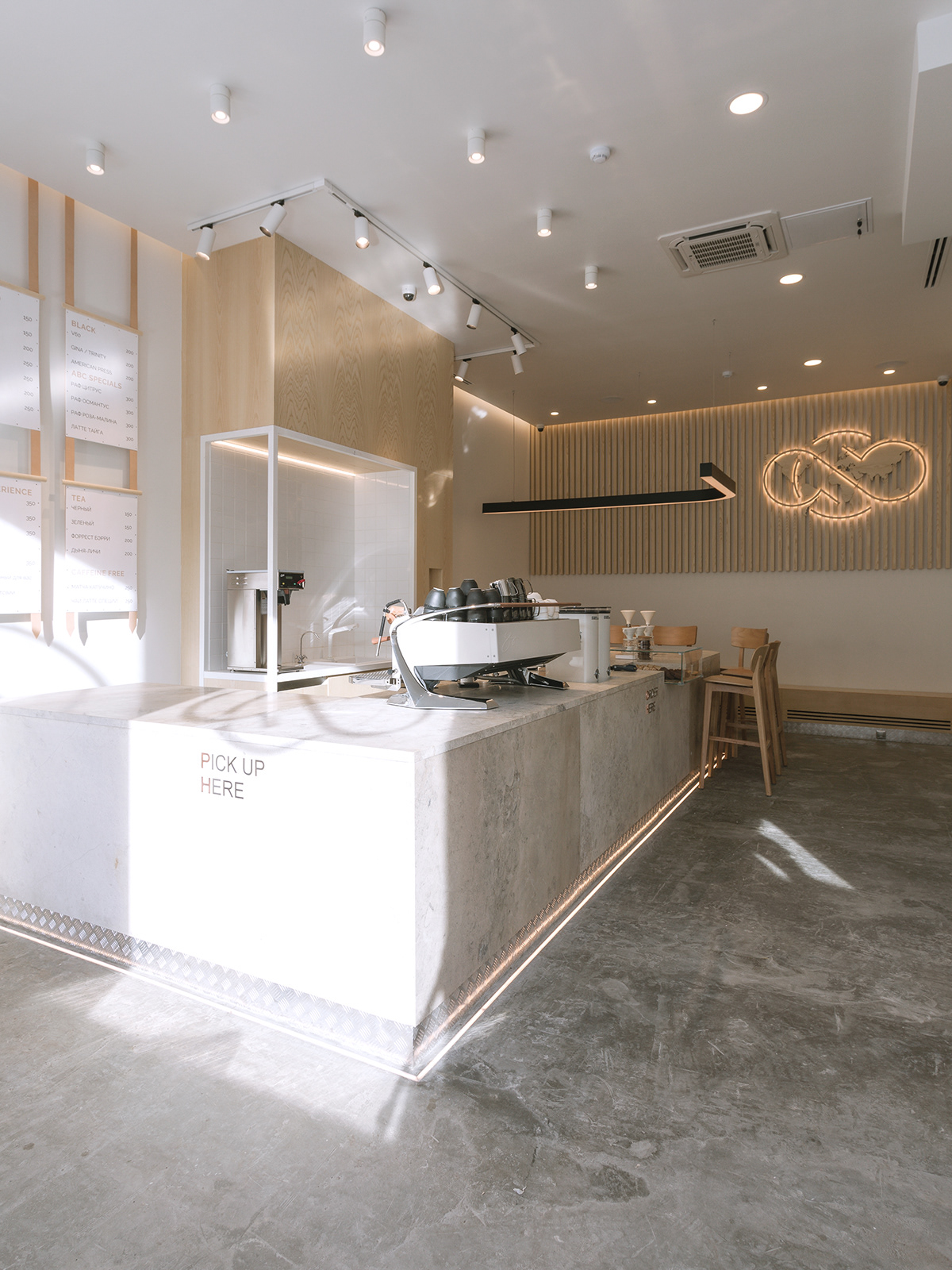
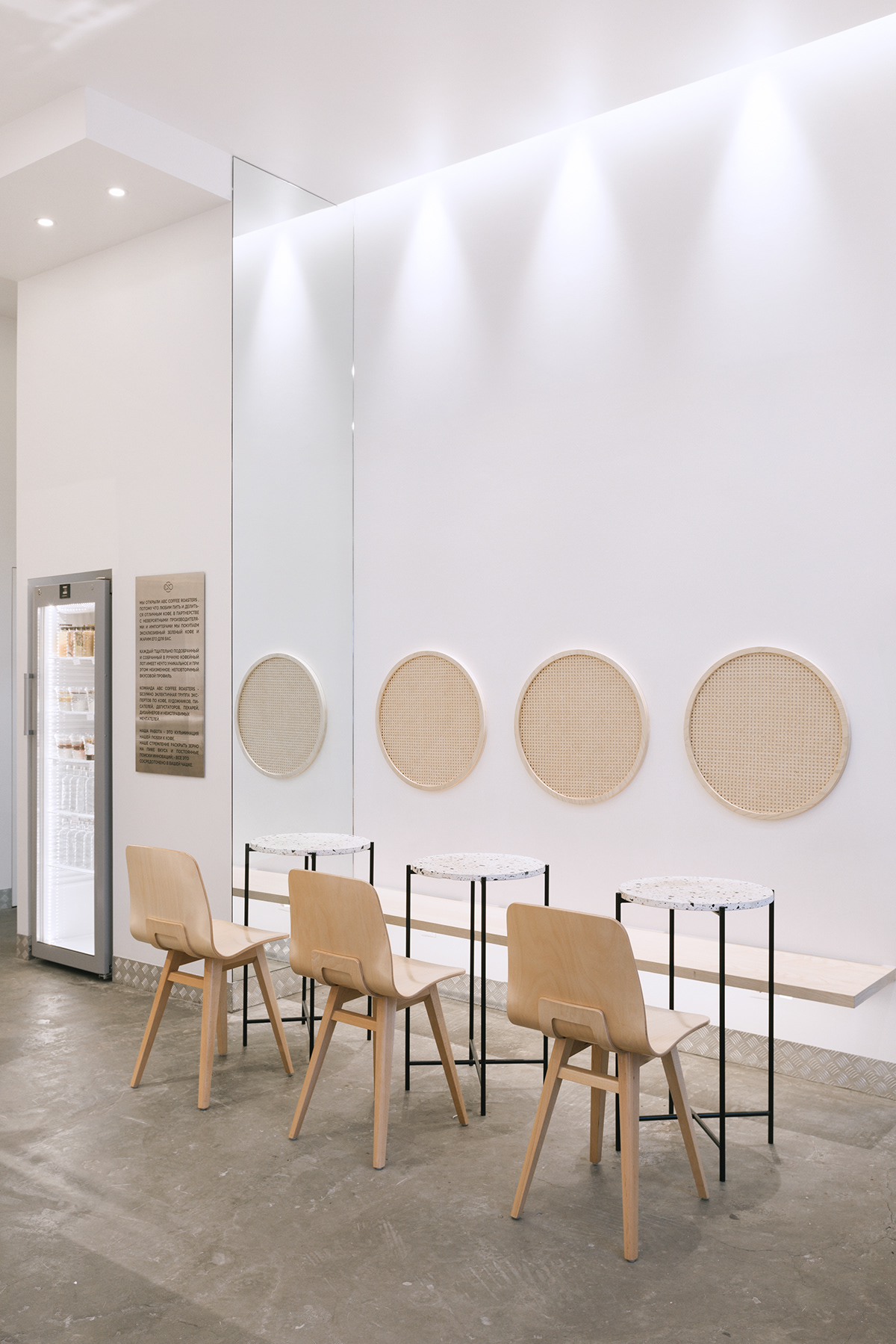
Charcoal or dark earthy tones inspired by Japanese style are used to add contrast to Japandi interiors without disrupting the design’s minimalism, while light gray, soft pink, muted green, and pale blue found in Scandinavian design are selected as accents through cushions, artwork, or area rugs.
Nature
Both Scandinavian and Japanese styles share a deep connection with nature, making the addition of greenery essential for the hybrid “Japandi” design. However, choose statement plants that highlight the raw beauty of nature in line with simplicity concepts, as the aesthetic is strongly influenced by the Zen spirit found in Japanese culture.
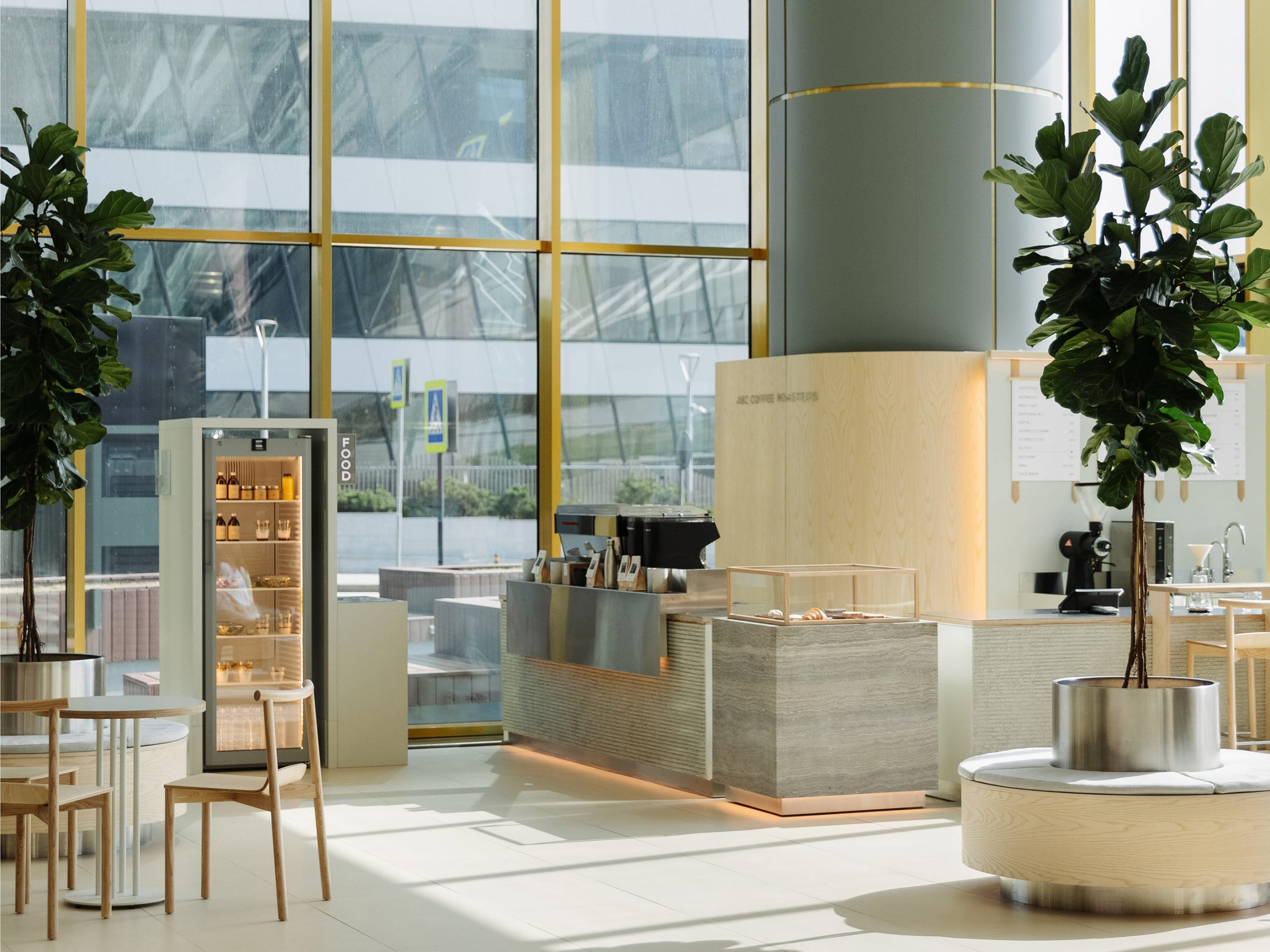
Cafe combining Japandi and Minimalism
Furniture
In a Japandi space, contrast is achieved through furniture by blending light and dark wood tones with black accents.
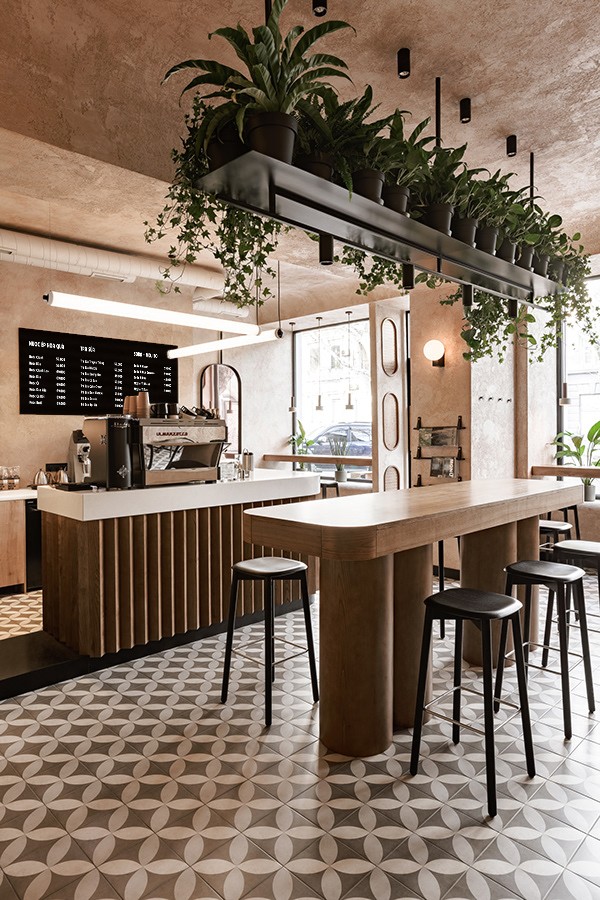
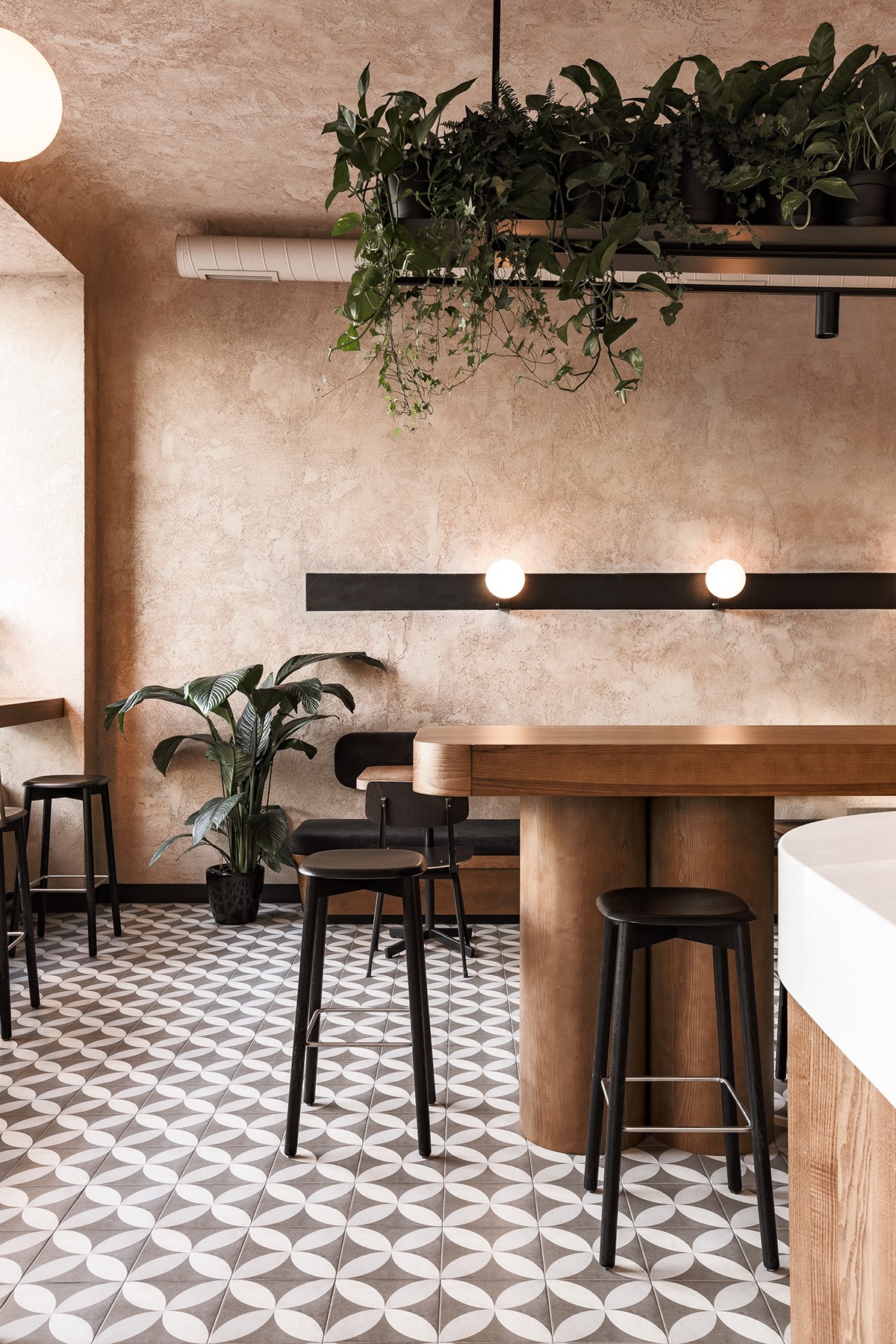
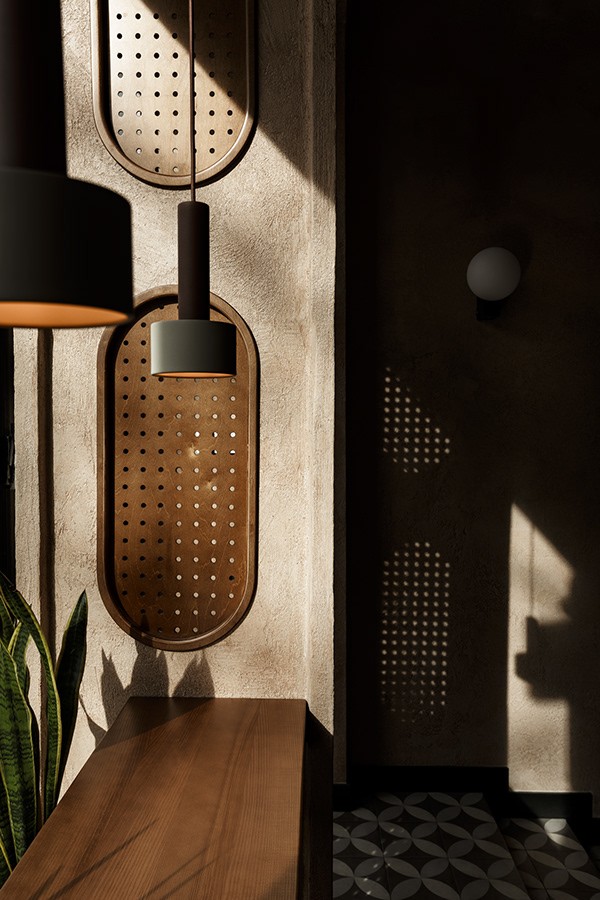
Keep furniture low! Japanese furniture tends to sit close to the floor to suit traditional cultural habits, making low-profile furniture pieces a signature feature of the Japandi style.
You can try low benches, armchairs, daybeds, and coffee tables, but be sure to leave plenty of open space. Additionally, feel free to mix and match diverse furniture pieces to add a unique sense of texture and contrast, making the space far more visually captivating and authentic.
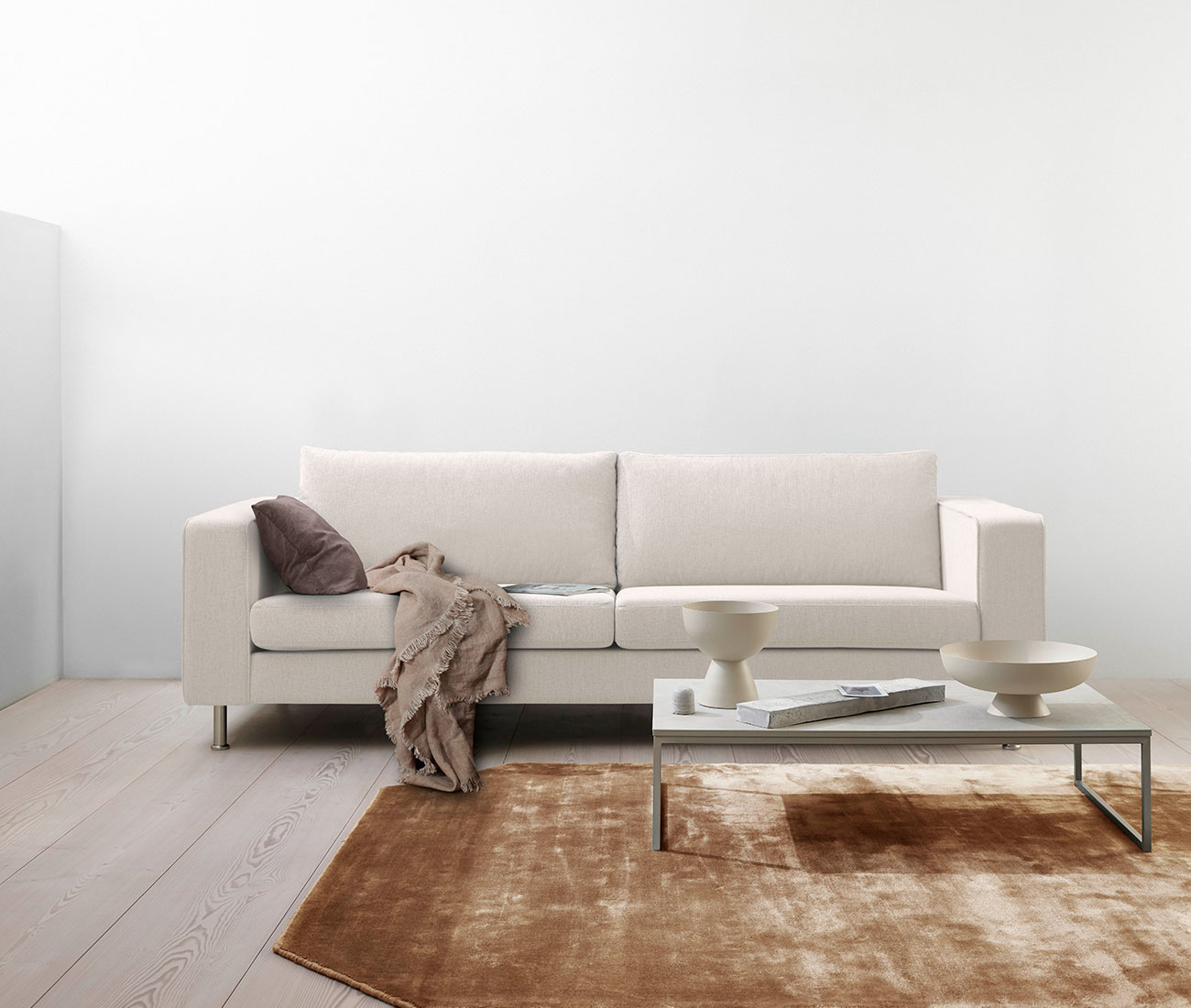
Japandi Style Interior
Accessories
“Japandi” is a hybrid of two styles centered on simplicity, strictly following the “Less is more” concept. While Scandinavian accessories focus on comfort—such as soft rugs, cushions, and throws to bring a cozy feel—Japanese accessories are more functional and authentic items, such as vases, bowls, or trays. Japandi spaces combine function and comfort while preserving a minimalist look.
Keep it simple
The Japandi style stems from a Japanese philosophy of maintaining a simple and orderly lifestyle. Spaces should be tidy and airy, eliminating excess clutter to cultivate a genuinely relaxing environment. The key here is quality over quantity.
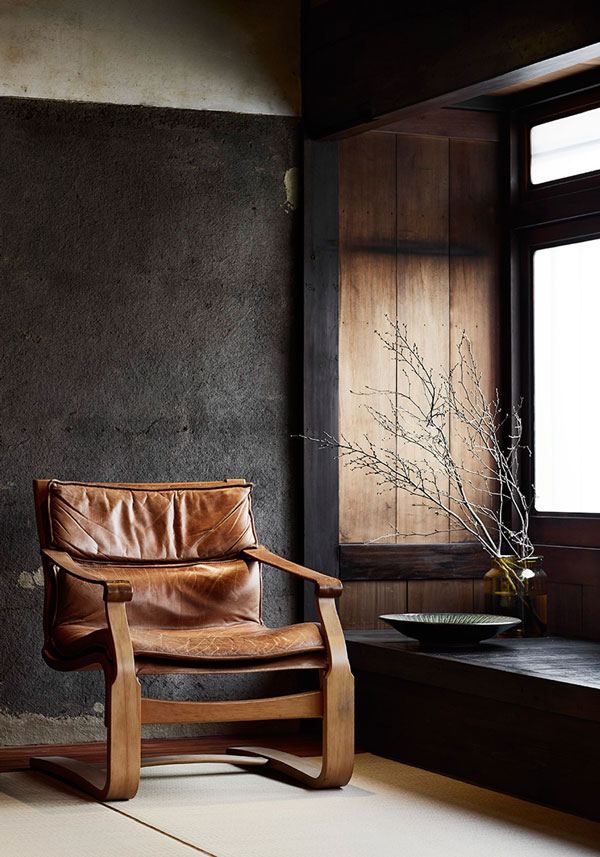
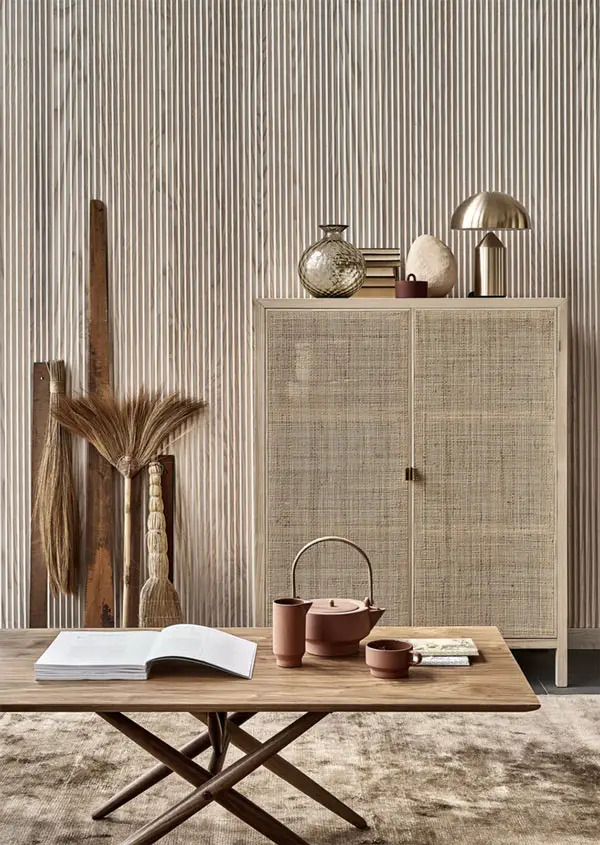
If you still haven’t found your favorite cafe design style, don’t forget that KHATRA updates more cafe design styles here.
KHATRA presents you with several tile models that help complete cafe designs, trusted and selected by design firms for F&B chains nationwide.