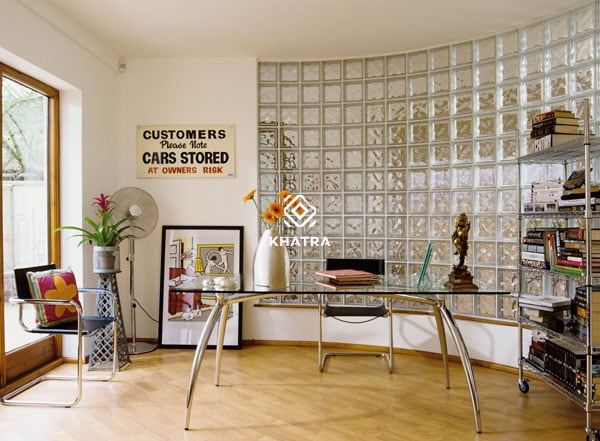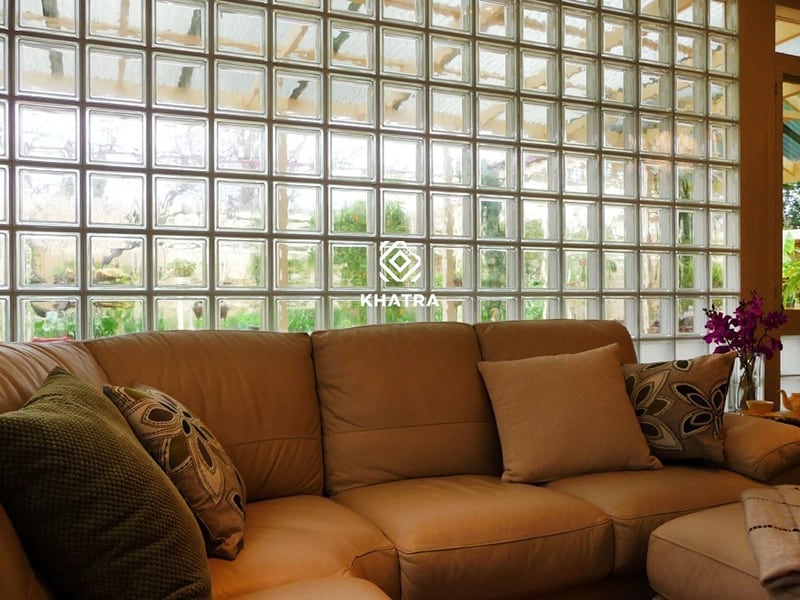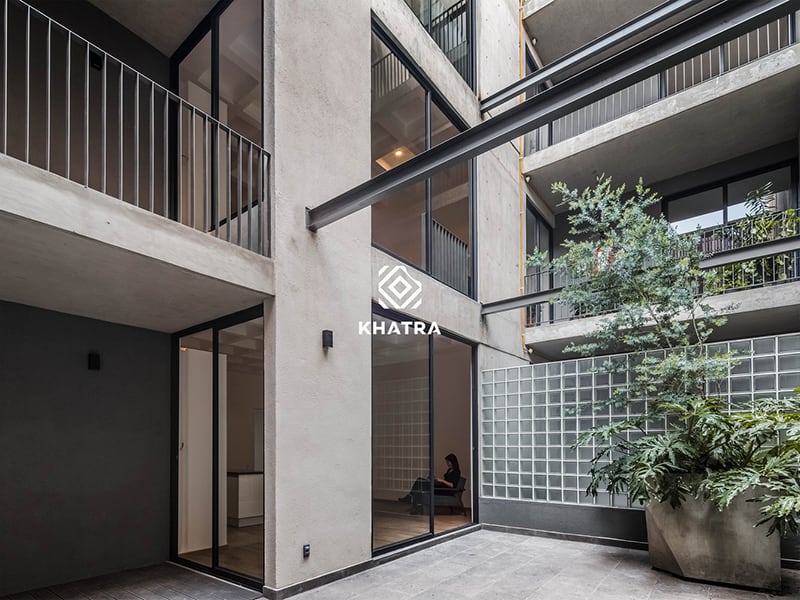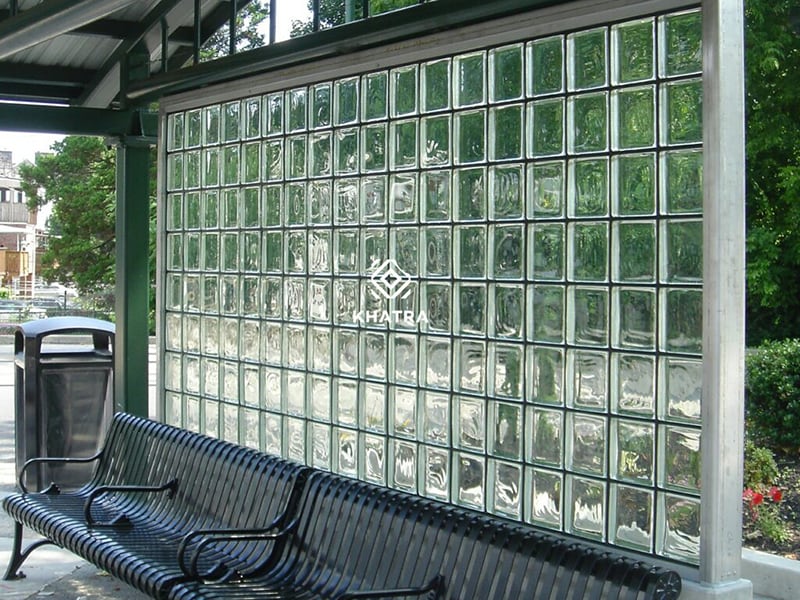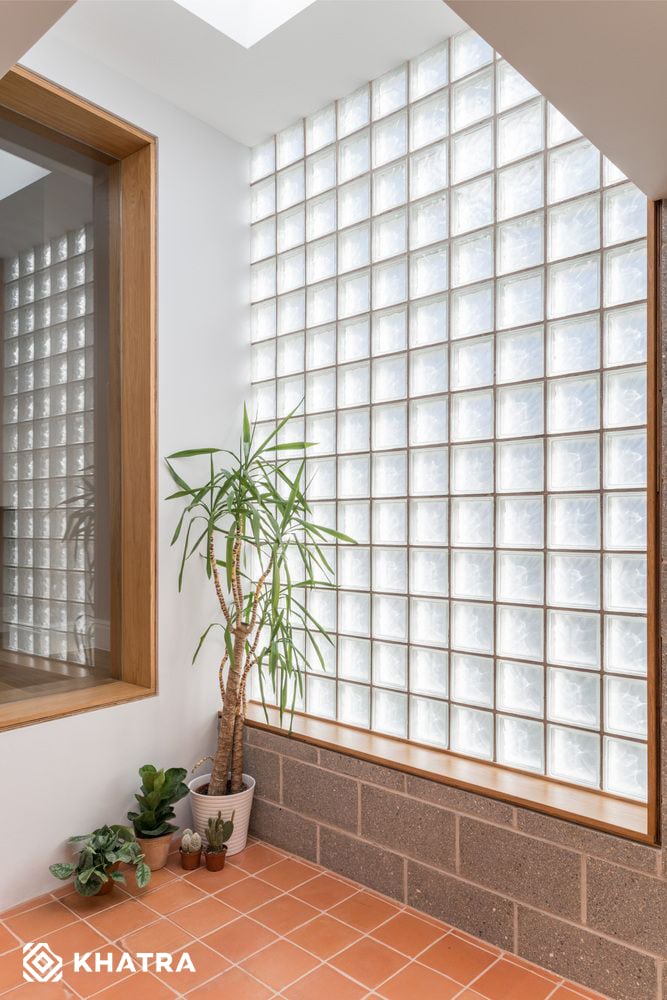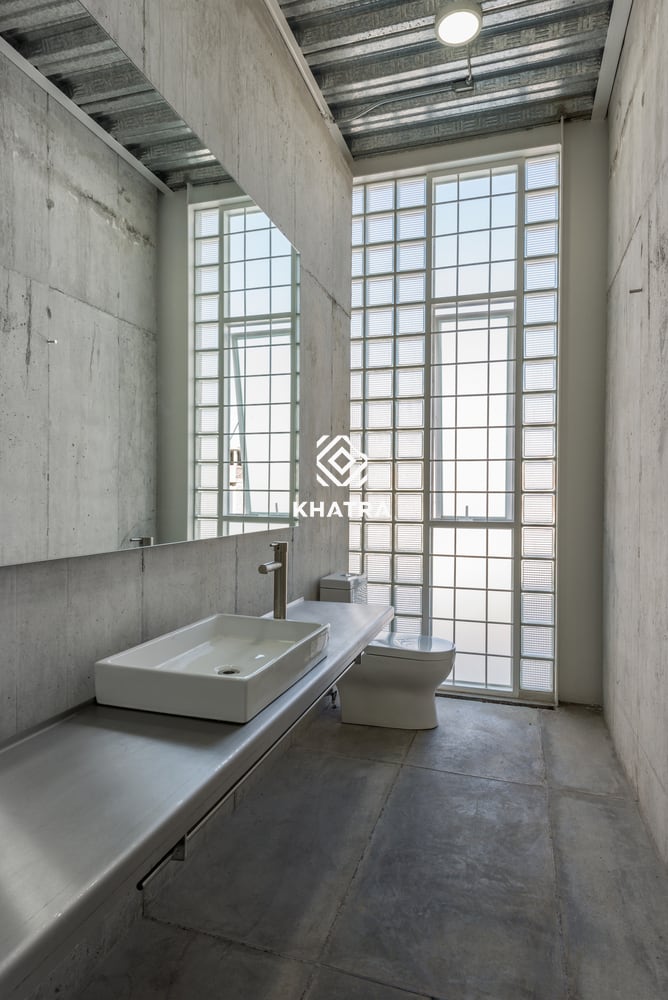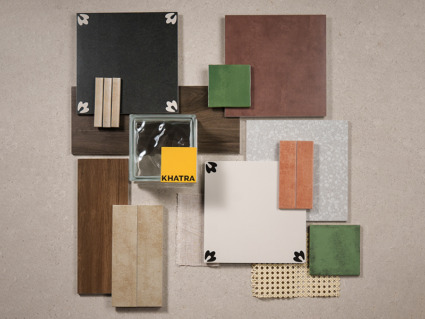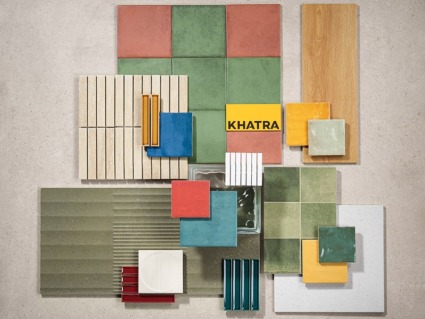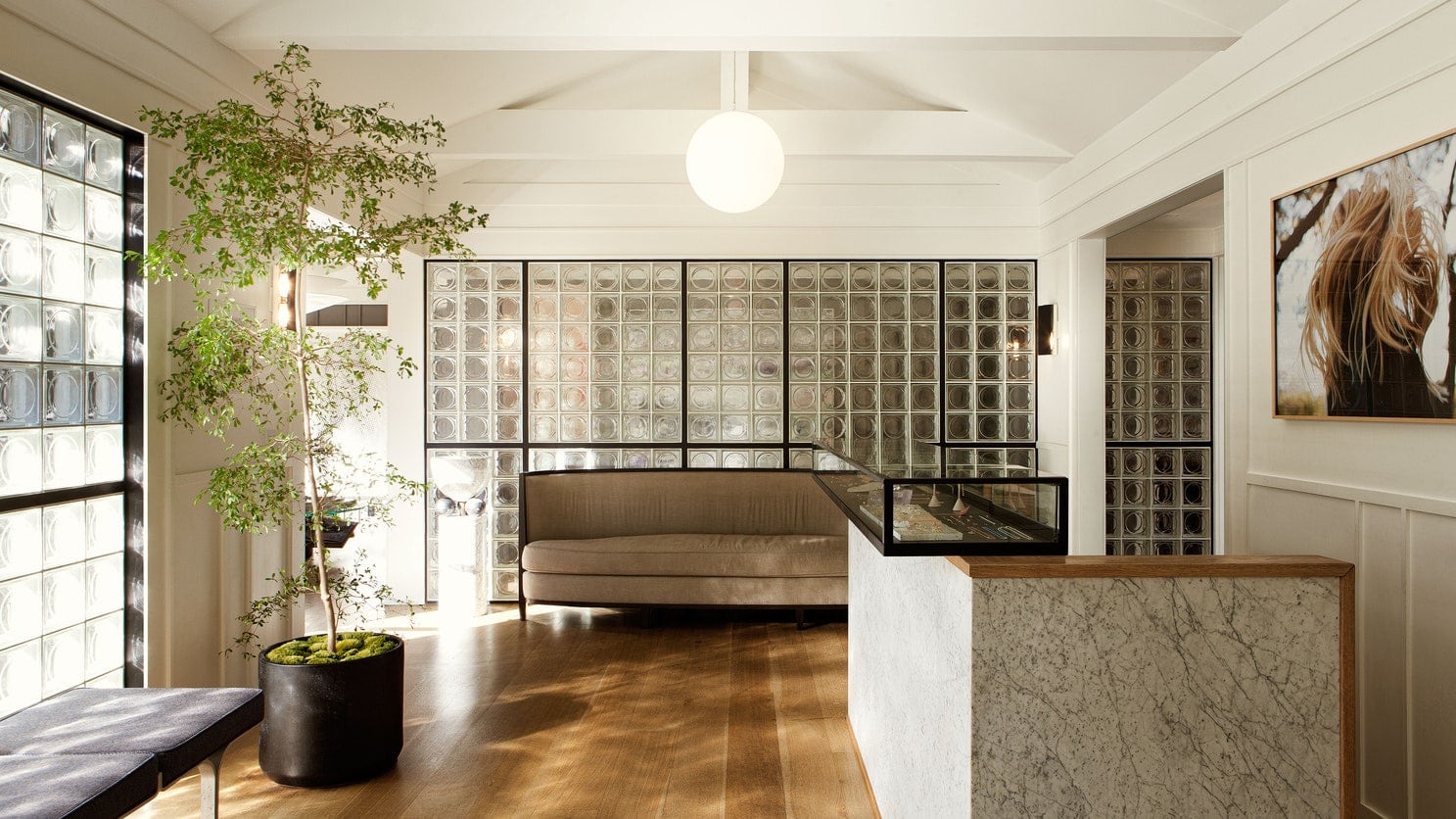
Glass blocks are everywhere: on old, dated facades; in storefronts that have stood for decades; and throughout today’s modern interior designs. The presence of glass blocks introduces a distinct and unique quality of light.
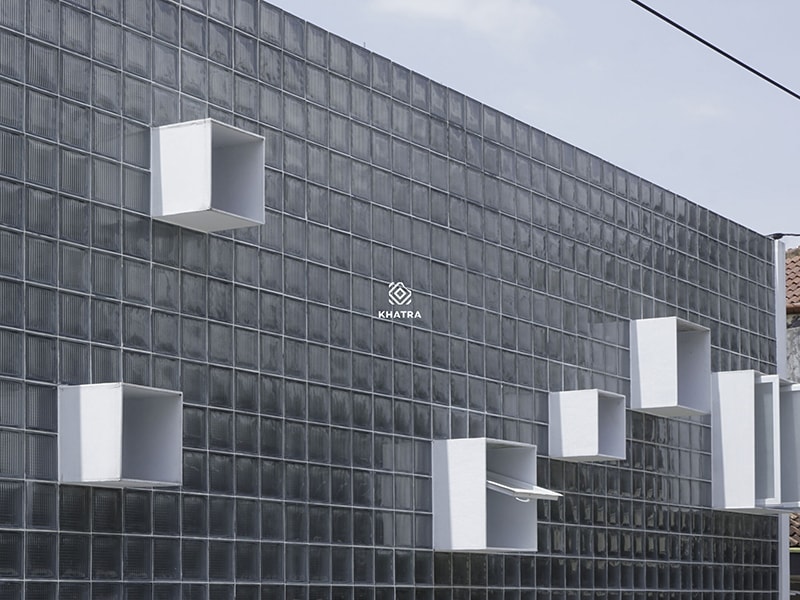
Light-transmitting glass block wall cladding
Consider bringing Glass Bricks into your home. In 2026, glass blocks are making appearances across all types of spaces, marking a powerful comeback for this once “outdated” trend.
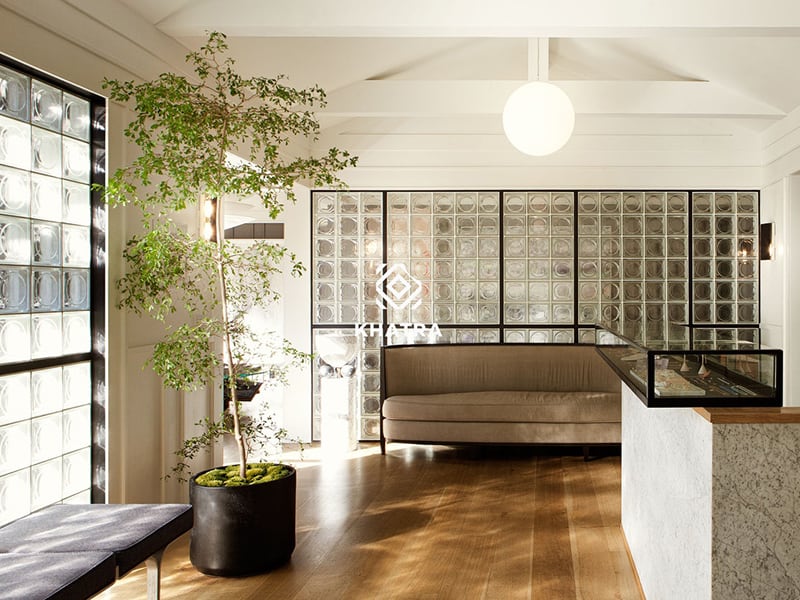
Round glass blocks used as a living room partition

Glass blocks for bathroom wall cladding to let in light
1. What Are Glass Blocks?
Glass blocks (also known as glass bricks or light-transmitting blocks) are rectangular or square building units made of hollow glass that provide acoustic reduction, thermal insulation, and fire resistance. Popularized in the 1980s, these blocks harness natural light while maintaining privacy through their translucent properties.
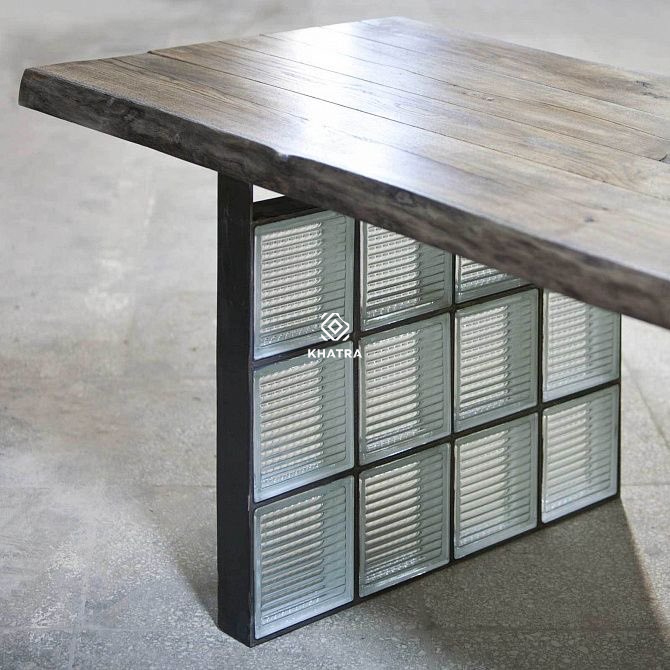
Glass blocks used as a table base
Glass Bricks come in various dimensions: 200×200 mm, 300×300 mm mosaic sheets, 600×600 mm, etc., with a thickness of at least 2 to 3 inches. During production, they can be customized into diverse formats—from colors and shapes to transparency levels—to meet every design and cladding need.

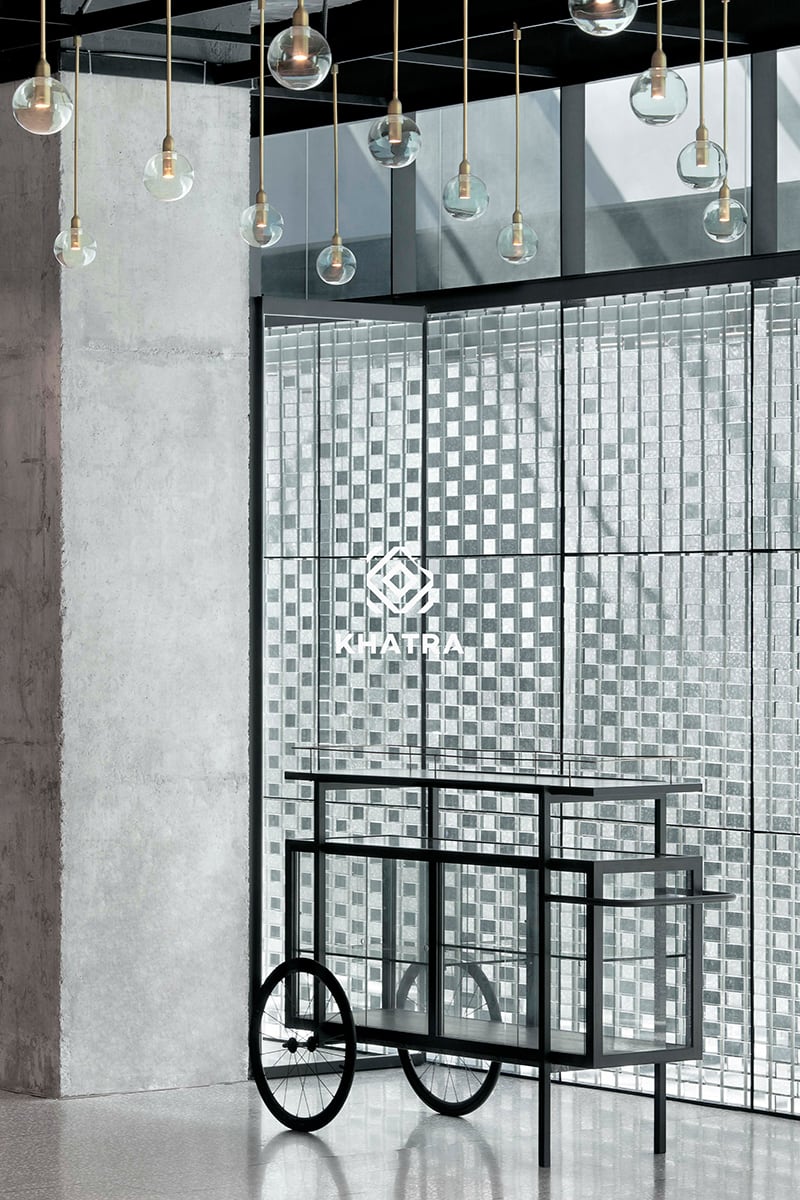
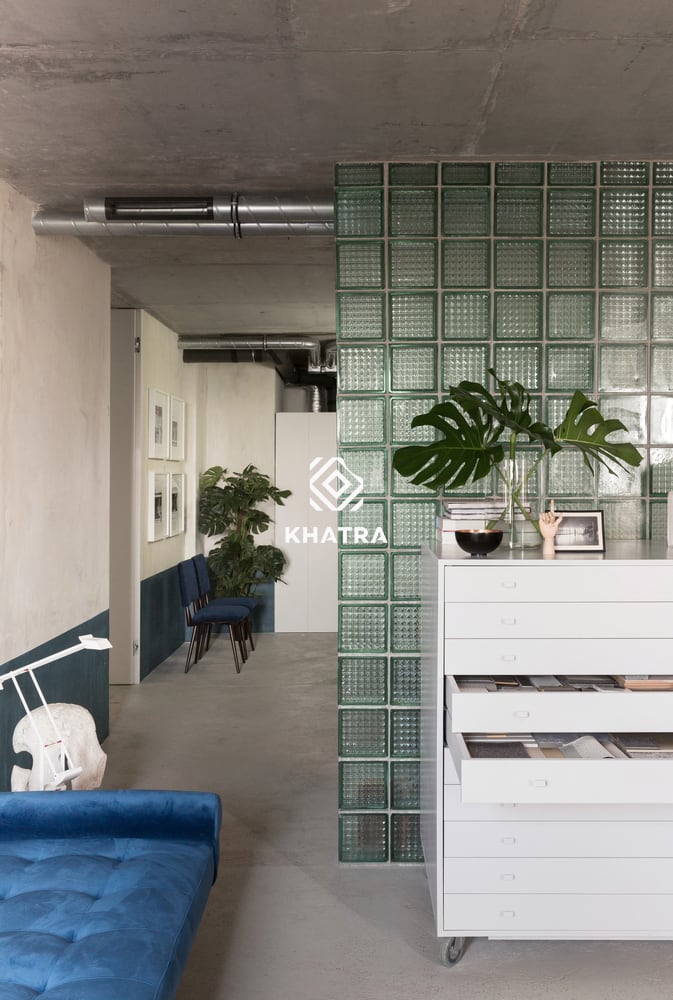
Typically, a glass block wall is composed of a grid of identical units. They are relatively easy to assemble and can be secured together using several methods, most commonly with cement mortar.
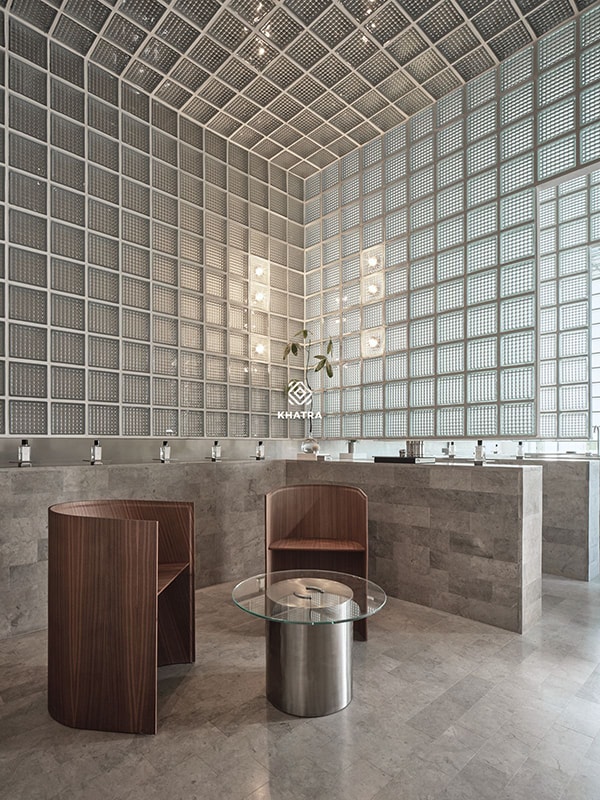
Glass block wall cladding for a coffee shop
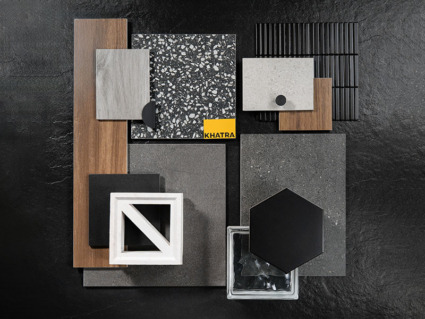
Actual photos of an apartment designed with a kitchen island base using glass blocks combined with patterned cement tiles and Terrazzo flooring
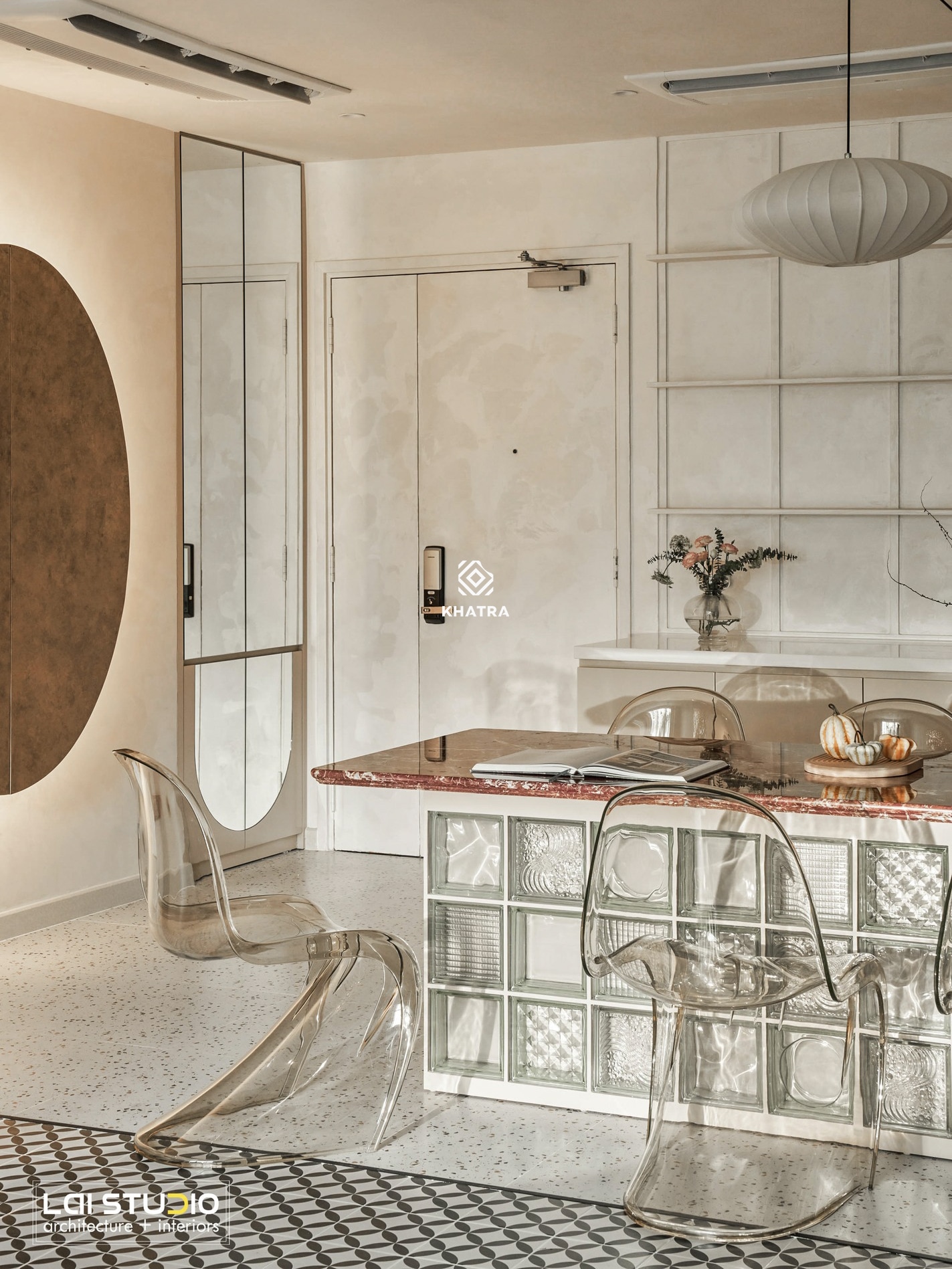
Glass blocks used as a kitchen island base
2. Popular Glass Block Patterns
Glass blocks are increasingly favored by interior designers and architects, leading to a much wider variety of designs. They are commonly categorized by surface texture: glossy, matte, wavy, etc. Join Khatra in exploring some of the most popular light-transmitting block designs widely chosen by clients today.
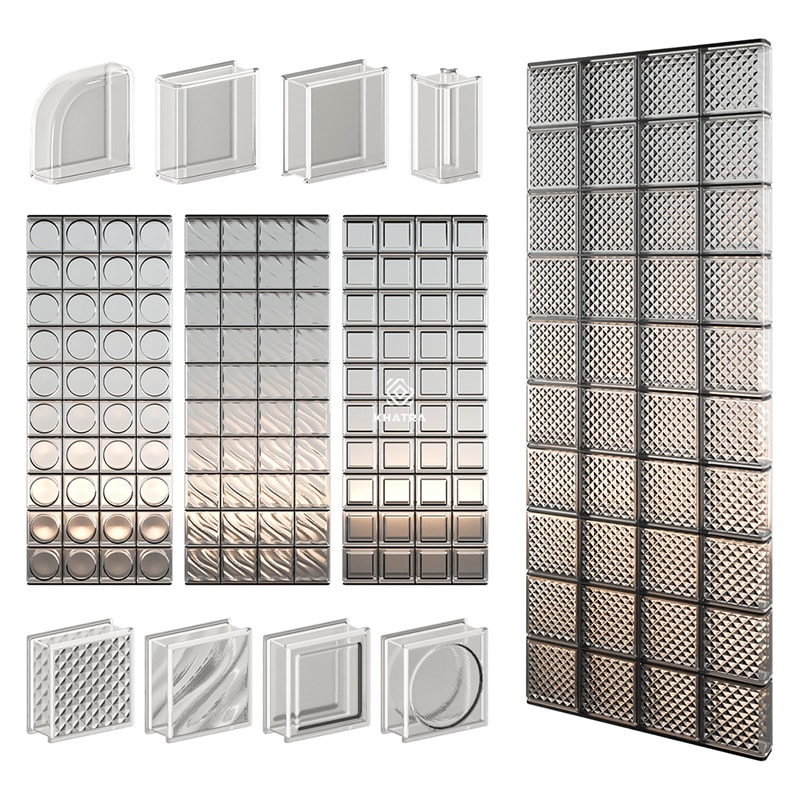
Popular light-transmitting glass block patterns in 190x190mm size
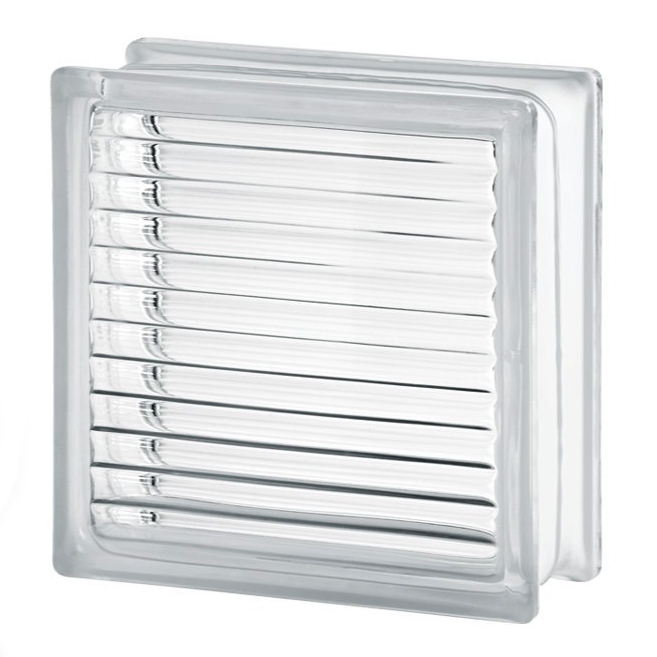
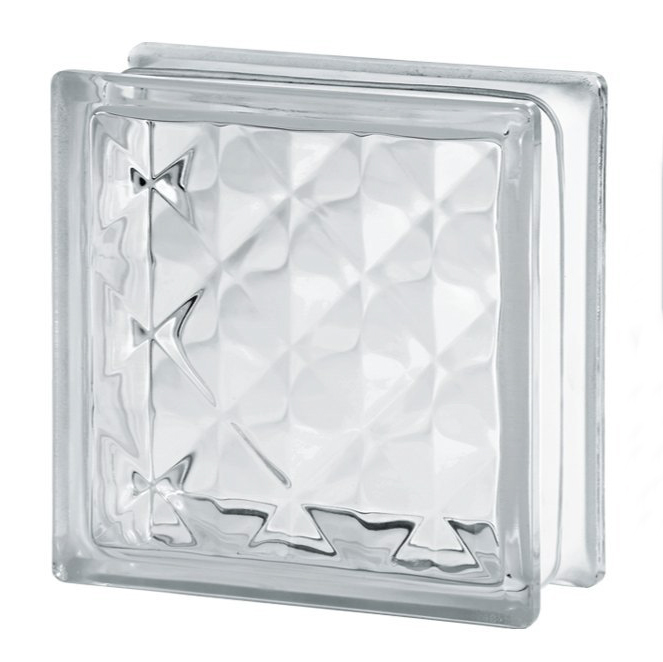
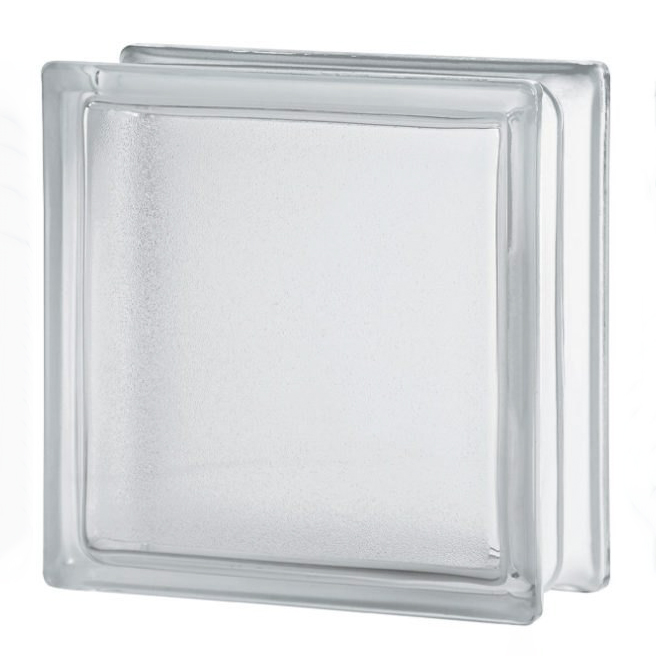
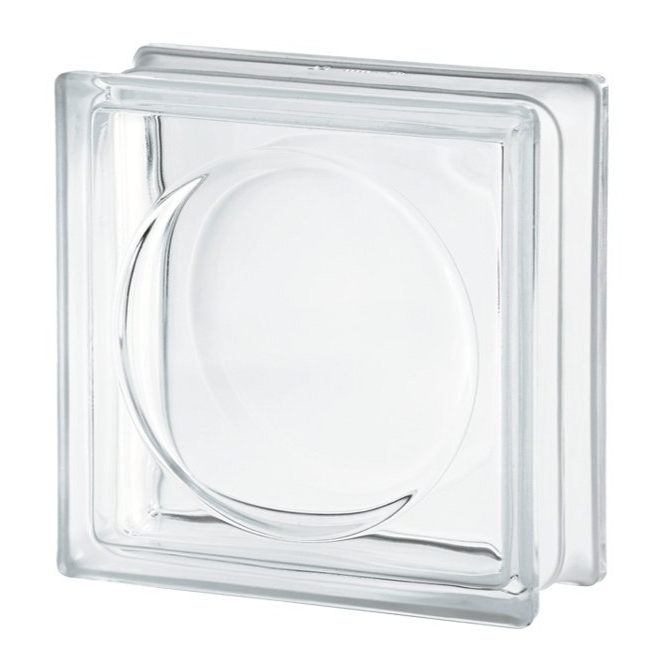
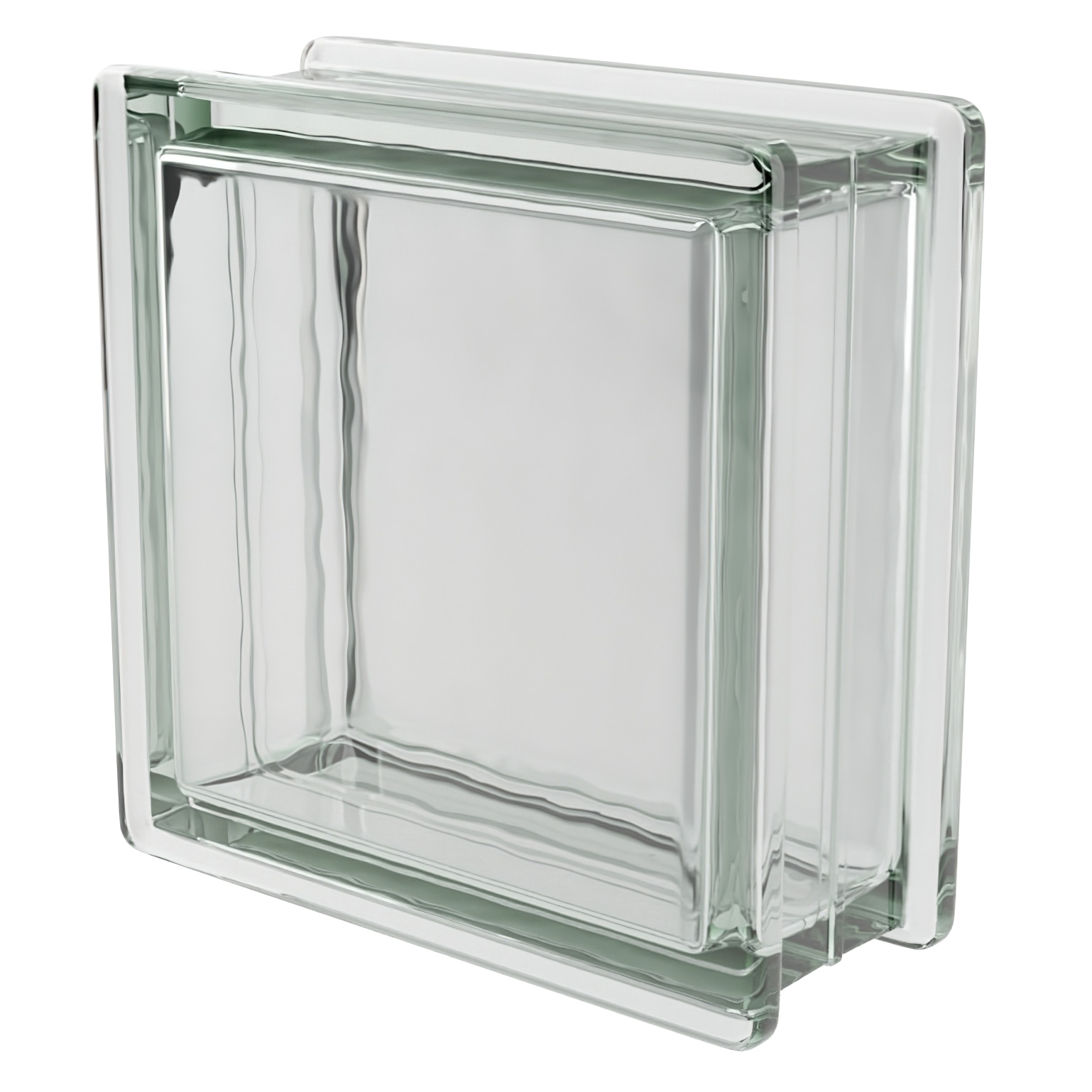
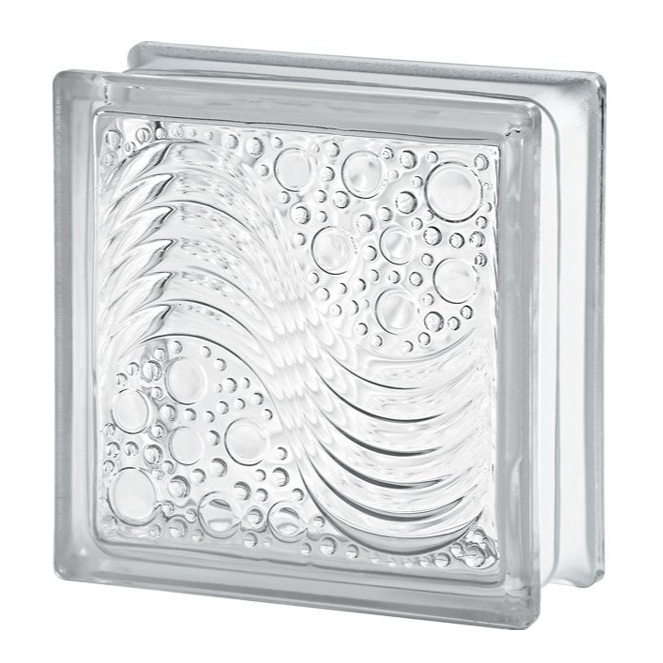
For many homeowners, glass block windows can elevate a home’s aesthetic to look more upscale. Even relatively plain rooms can be transformed with a glass block wall that serves as an impressive design focal point.
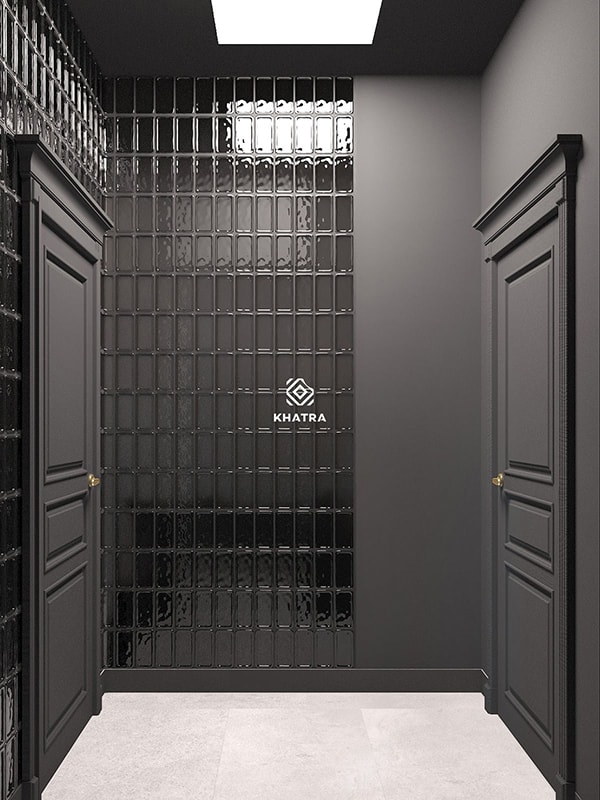
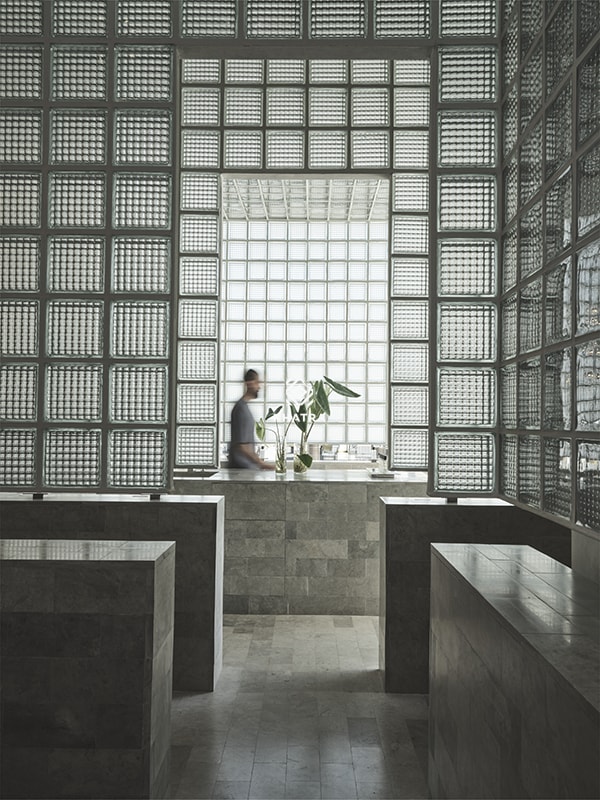
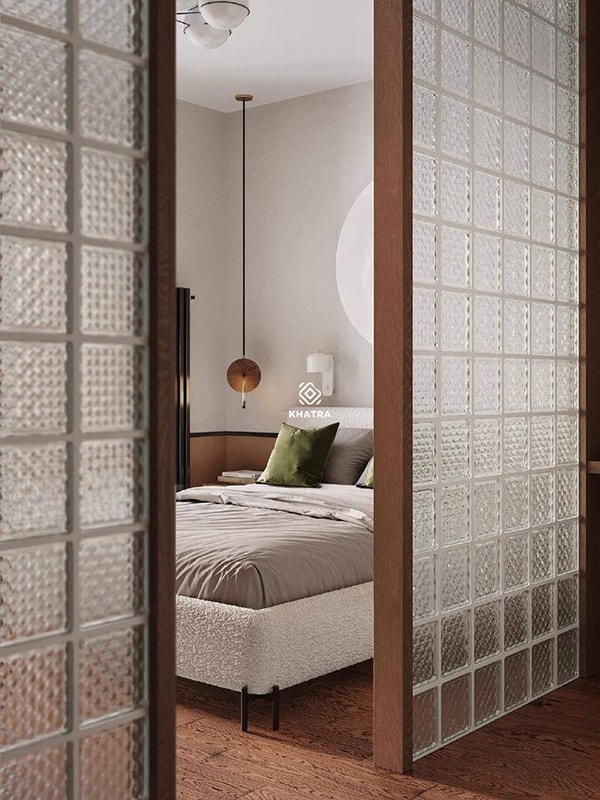
Privacy is another major benefit of glass block windows. They are frequently installed in bathrooms to bring in natural daylight without compromising privacy. While standard windows require curtains for privacy and demand frequent maintenance, glass block openings do not.
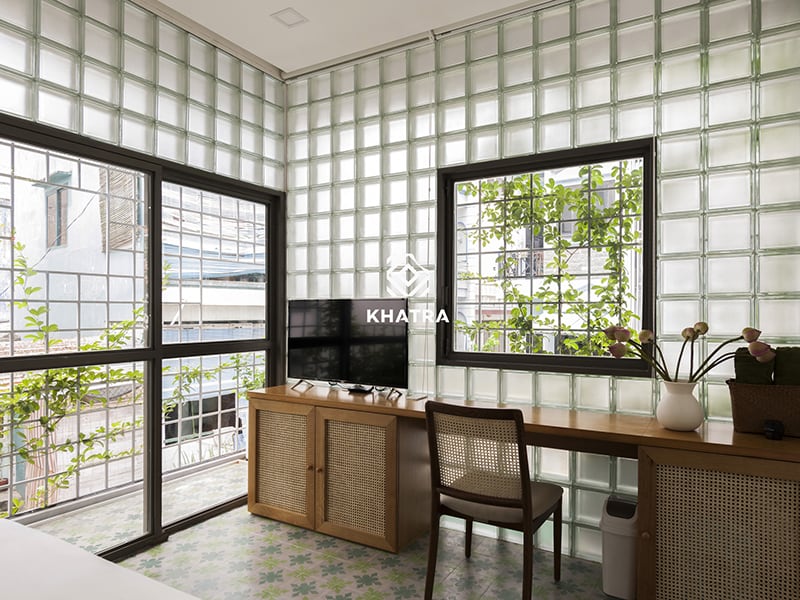
Glass blocks for bedroom wall cladding
Another advantage of glass block windows is high security; they are significantly more difficult to breach than standard windows. Furthermore, glass block windows offer high water resistance due to their material composition, making them an excellent investment for any household.
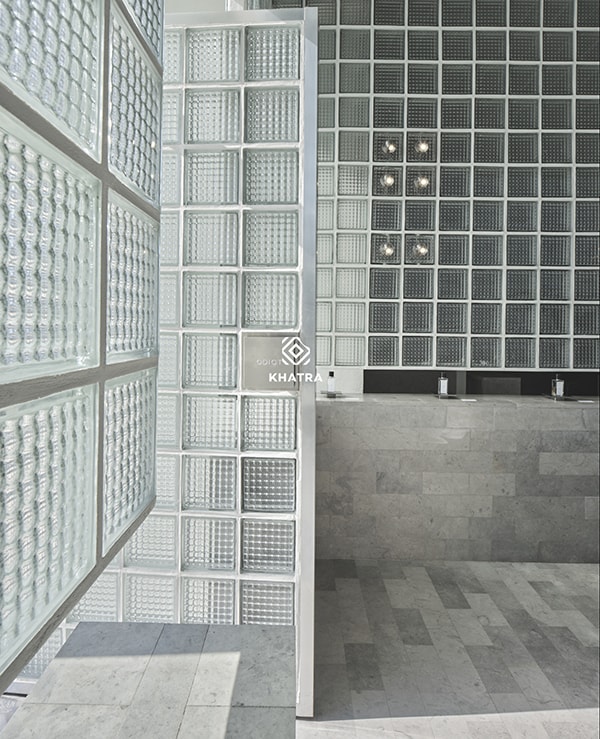
Glass blocks used as a door panel
Finally, glass blocks are exceptionally energy-efficient; the internal hollow cavities function like double glazing to illuminate the space with soft, natural light without harsh glare, reducing reliance on artificial lighting. In addition, the airtight mortar joints enhance thermal insulation and help block radiation.
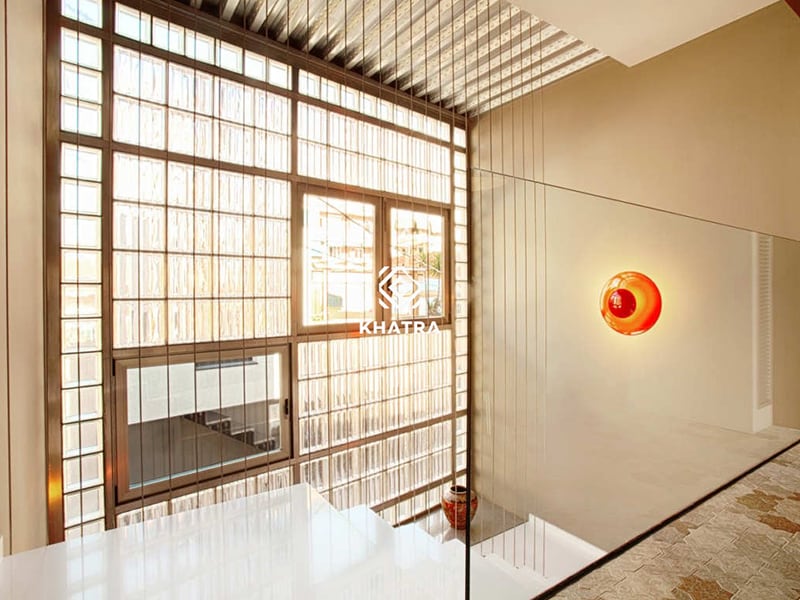
Light-transmitting glass block wall cladding
3. Where Can Glass Blocks Be Installed?
The primary application of this material is as space-dividing partition walls or as decorative accent wall cladding across a wide variety of interior and exterior areas, such as bathrooms, bedrooms, kitchens, living rooms, study spaces, or storefront facades and coffee shops…
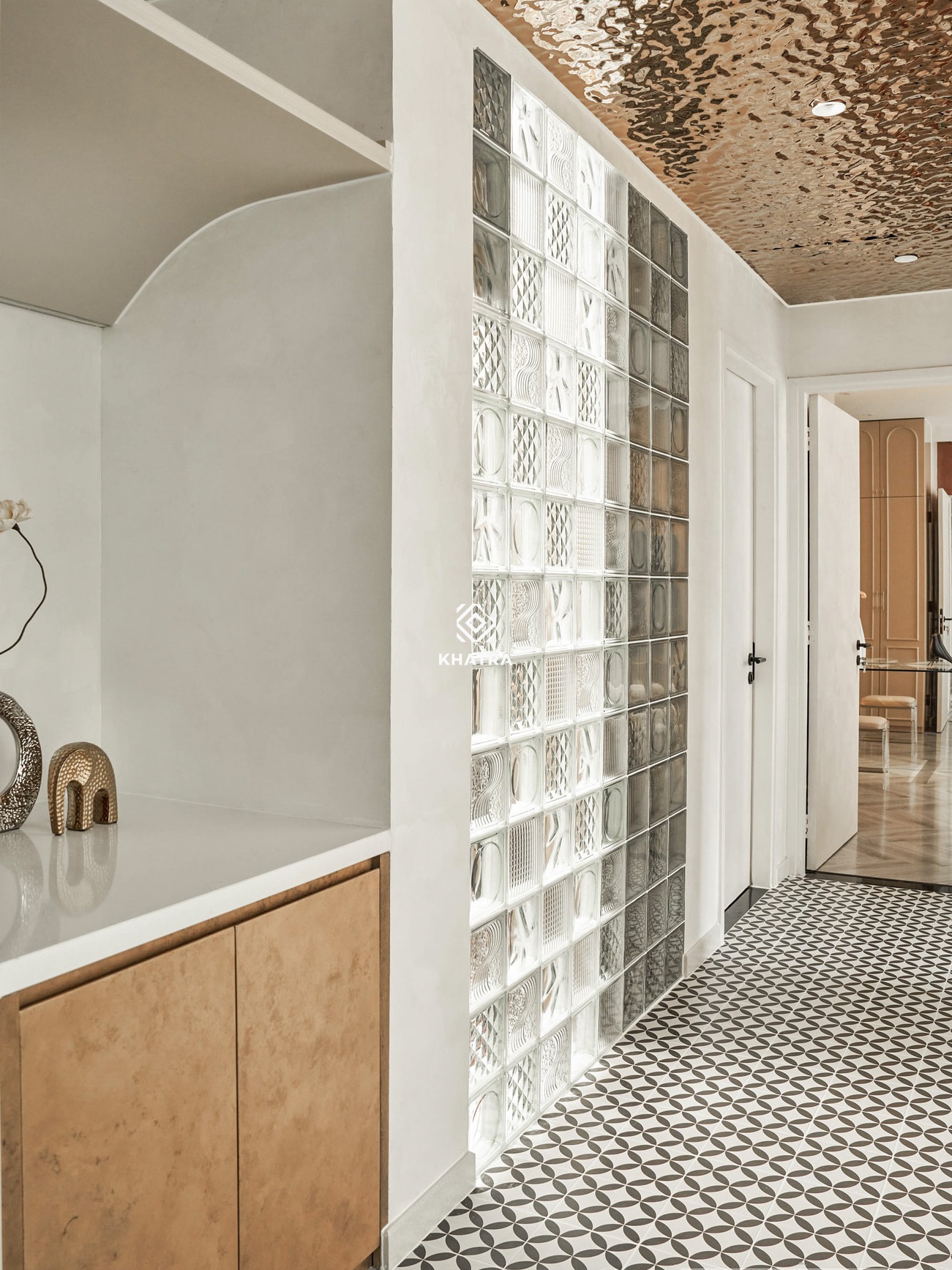
Combining multiple glass block patterns for space-dividing wall cladding
Actual completed apartment project using light-transmitting blocks as a focal partition wall
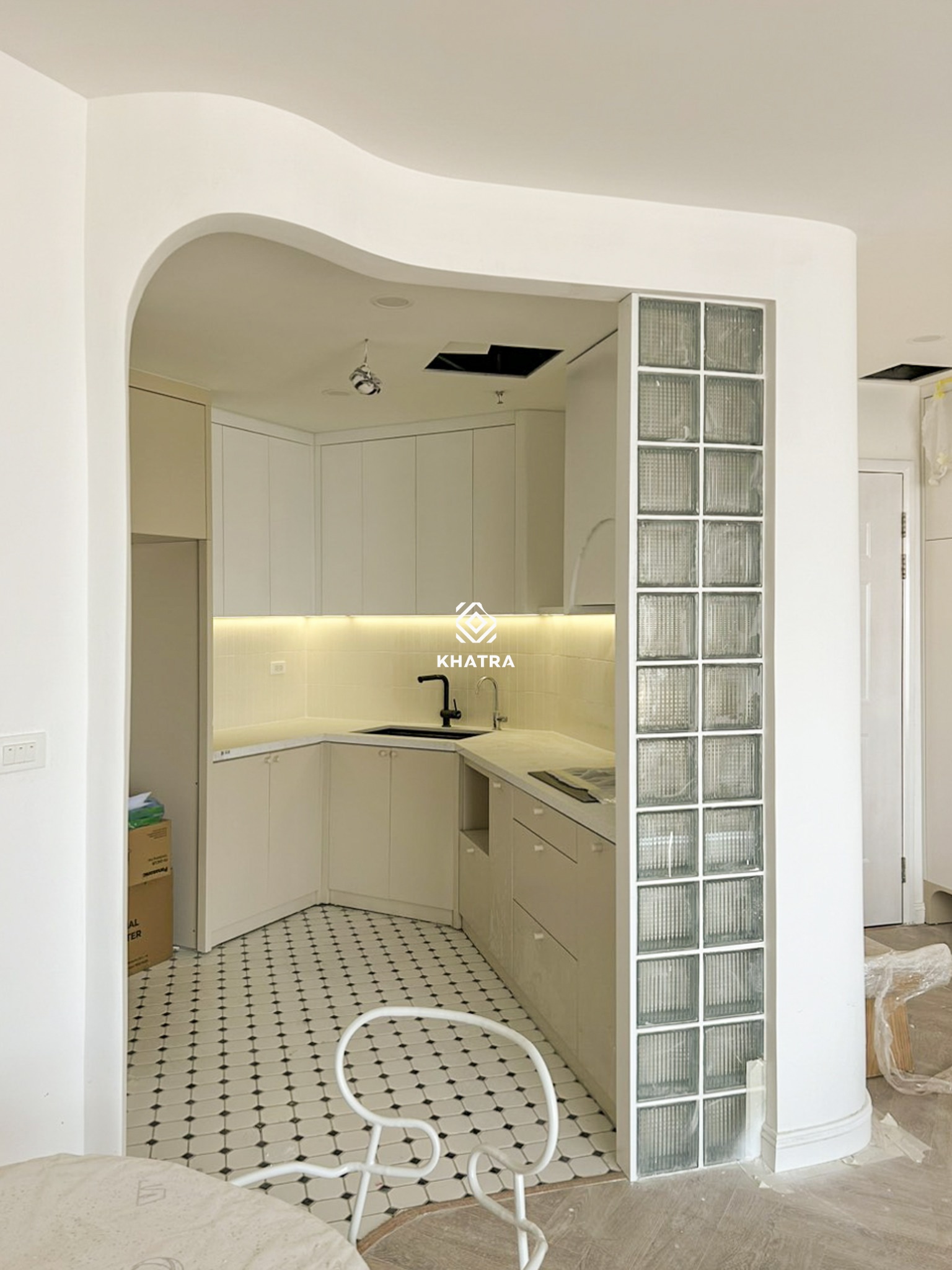
Diamond pattern glass blocks used as a partition
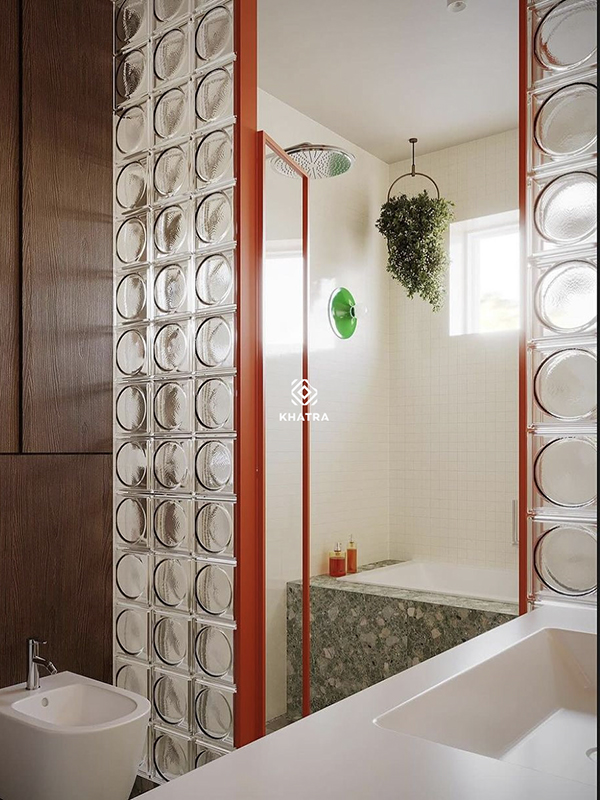
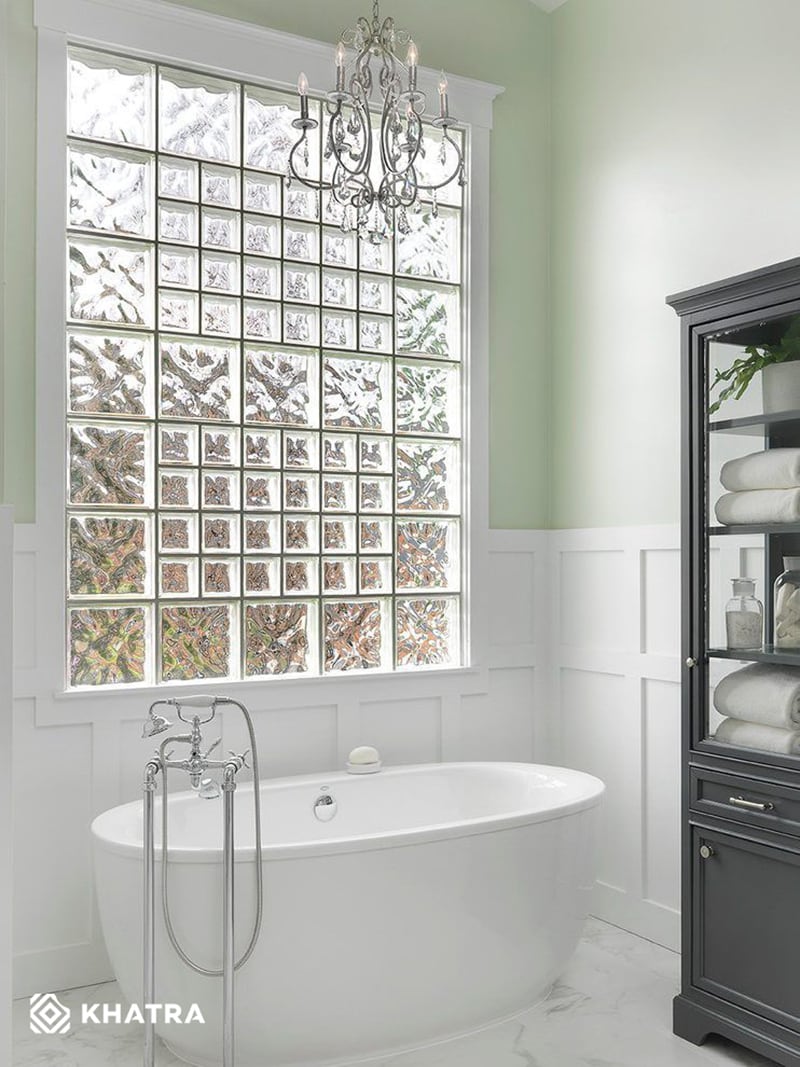

Kitchen Cladding

Wavy glass blocks used as a kitchen window
Bedroom Windows / Partitions
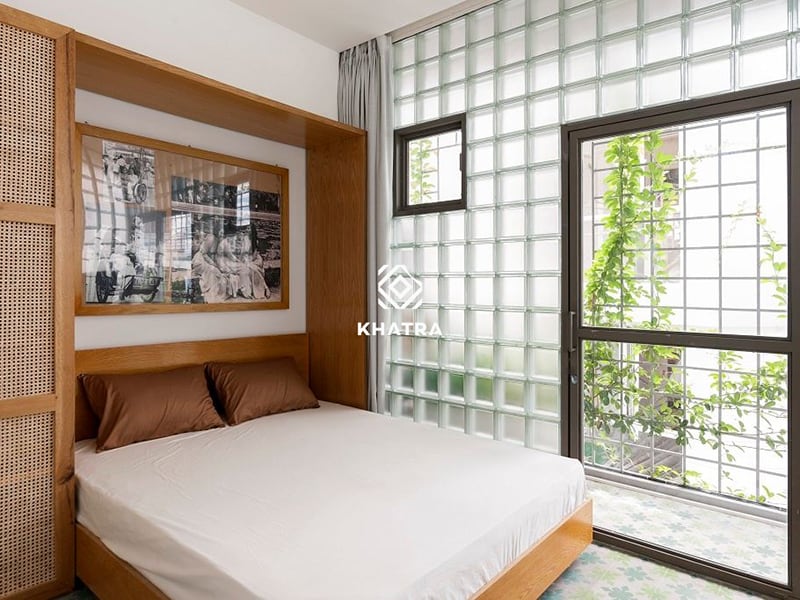
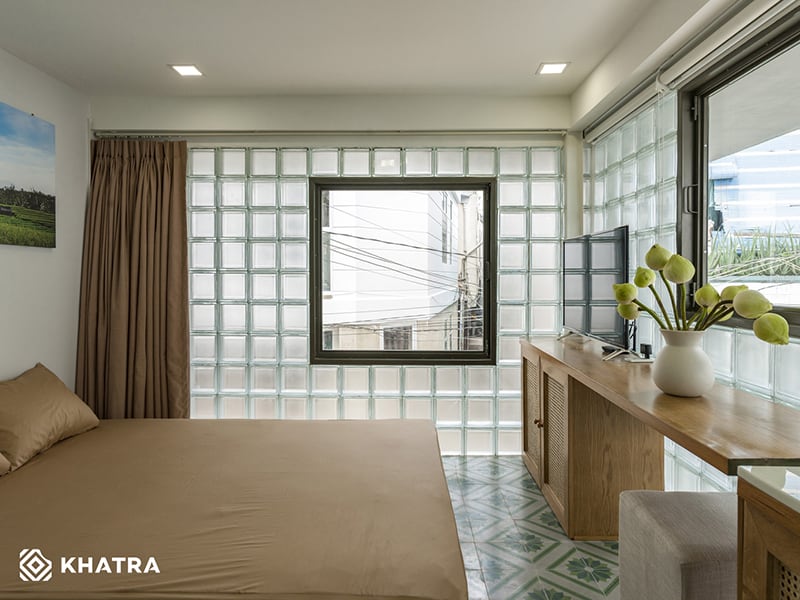
Facade Cladding
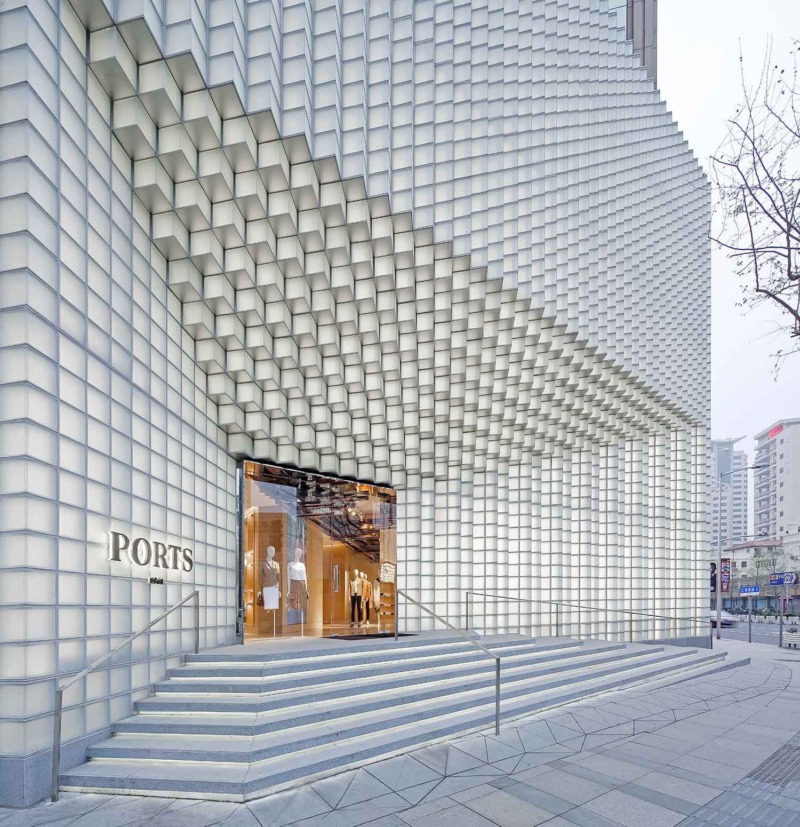
Commercial center facade clad with light-transmitting blocks
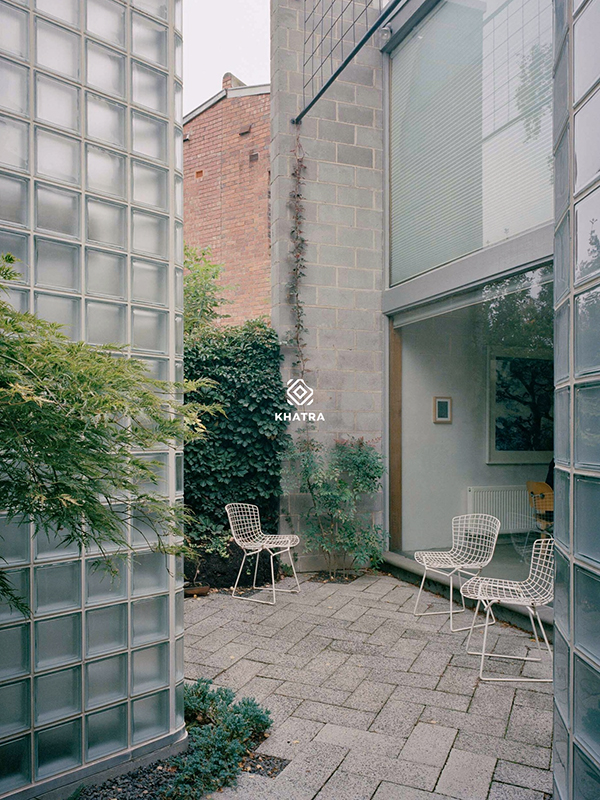
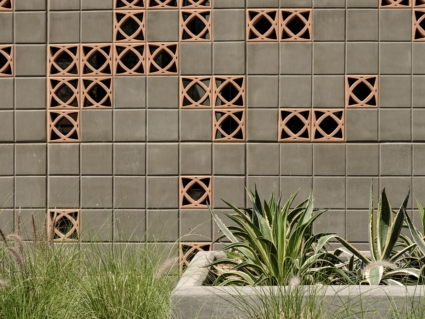
Combining light-transmitting blocks and concrete blocks for facade cladding
4. The Comeback of Glass Blocks Across All Architectural Projects
In Europe, glass blocks are manufactured according to European Standard EN 1052-2, while the International Standard is ISO TC 160 / SG1. These standards categorize glass blocks according to manufacturing quality. Thanks to superior durability, diverse designs, and straightforward installation, this product line is poised to set the trend for projects ranging from residential homes to commercial spaces.