Nowadays, thanks to its outstanding properties, ceramic tile has become a popular trend for wall tiling and flooring in interior design. Especially when design style, aesthetics, and functionality are prioritized when selecting construction finishing materials.
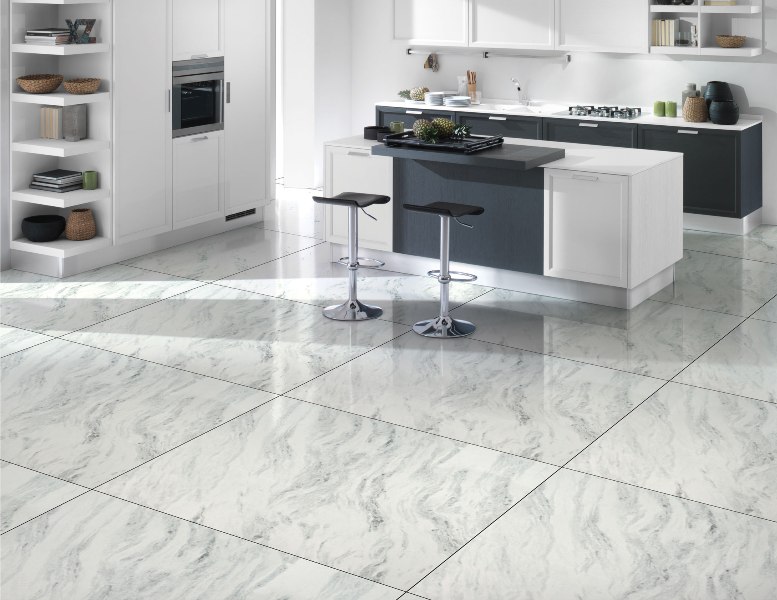
Polished glossy ceramic floor tiles
1. What is Ceramic Tile?
Ceramic is a line of tiles made from sand, clay, and additives molded into shape and fired at high temperatures. The thin glazed surface protects against scratches and creates many eye-catching patterns and colors. This type of tile is widely used for every space from kitchens and bathrooms to living rooms. The high-grade material is resistant to mold and moisture.
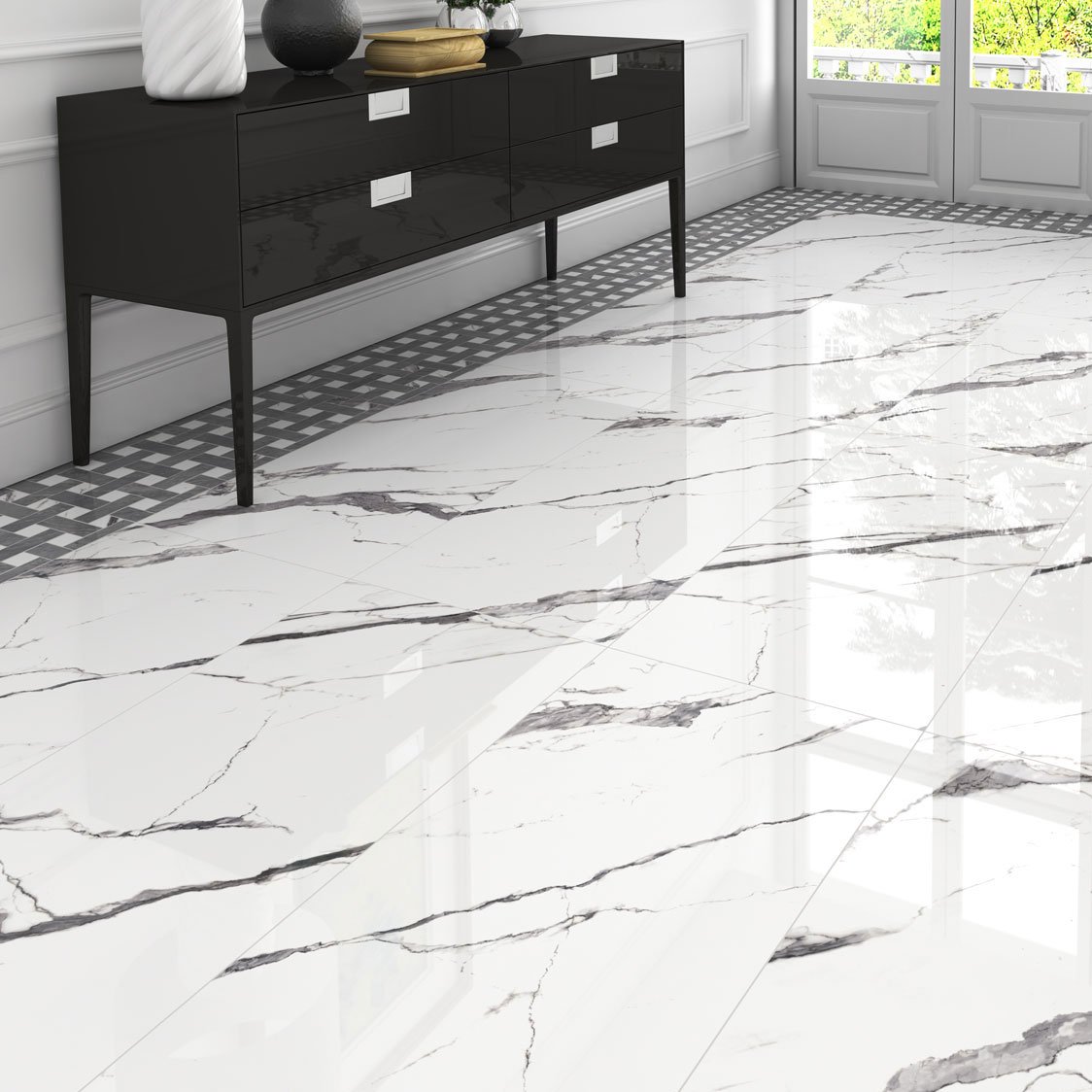
Glossy ceramic floor tiles
2. Ceramic Tile Manufacturing Process
Glazed tiles undergo various production processes such as grinding, mixing raw materials, pressing, and firing in a kiln at temperatures up to 1250 degrees Celsius, resulting in high load-bearing capacity and durability, with a solid surface that minimizes cracking.
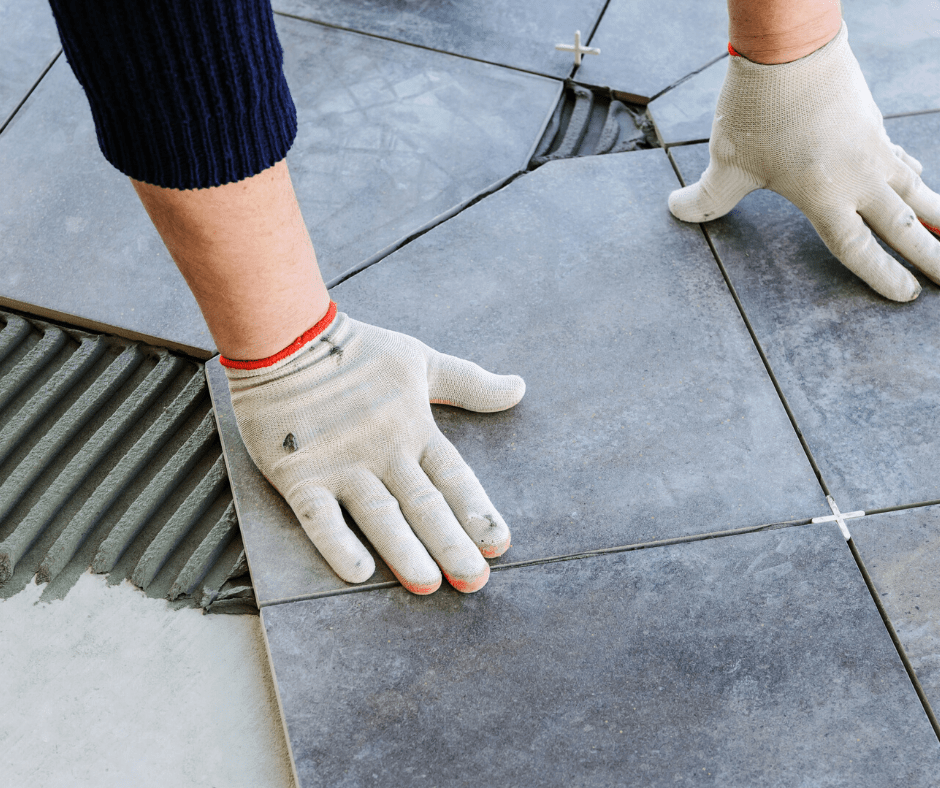
Ceramic tile production and installation
- Tile body powder preparation: Raw materials are weighed according to standard ratios, finely ground into powder, and then mixed with a specific amount of water to create moisture.
- Pressing, shaping, and drying: The mixture is directly transferred to the press and molds with a maximum pressing force of 2,500 tons. After pressing, the tiles are cleaned to remove impurities and moved to the drying process at a temperature of about 250 degrees Celsius for 75 minutes.
- Glazing: After the tiles are dried in the oven, they proceed to the glazing stage and a special printing process to create patterns on the surface.
- Tile firing: After glazing, the tiles are placed into a kiln at temperatures ranging from 1,150 to 1,180 degrees Celsius.
- Sorting and packaging: The fired tiles are automatically sorted, packaged, glued, labeled, and moved into the finished product warehouse.
- Tile thickness: The thicker the tile, the higher the product’s hardness, helping improve the quality of floors and walls. If tapping on the tile produces a loud and clear sound, it means the tile has high hardness with fewer capillaries and pores.
3. Classification of Ceramic Tiles
Tiles are divided into 2 main types: premium dry glazed and semi-dry pressed glazed (terracotta tiles, glazed tiles, cement tiles). Both types of ceramic tiles are glazed and fired at high temperatures, resisting cracks and mildew. In addition, there are several factors to help distinguish between types of glazed tiles that you should know.
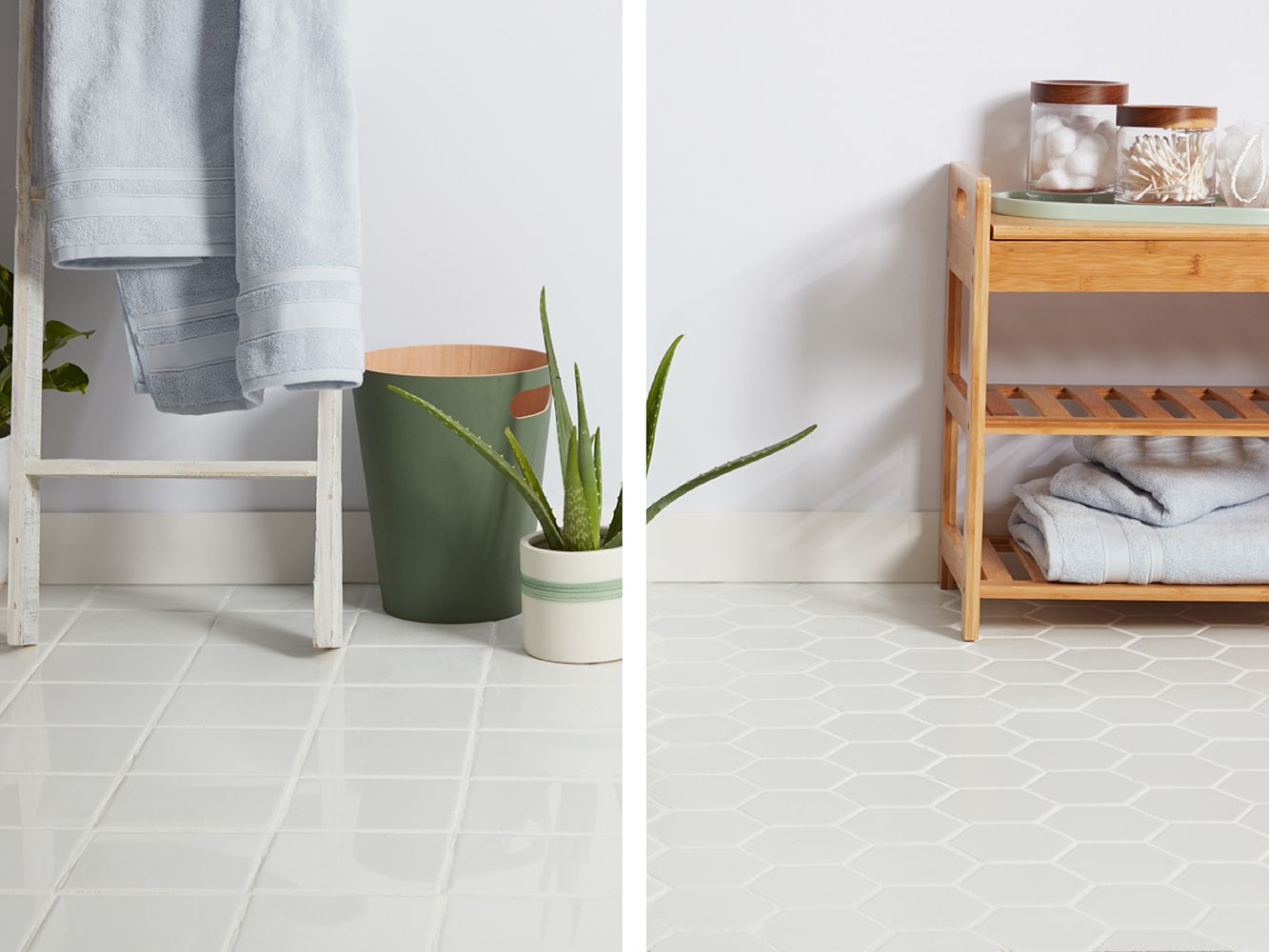
Distinguishing types of ceramic tiles
3.1. Surface Production Technology
Based on surface production technology, ceramic tiles can be divided into 2 basic types: glazed and unglazed.
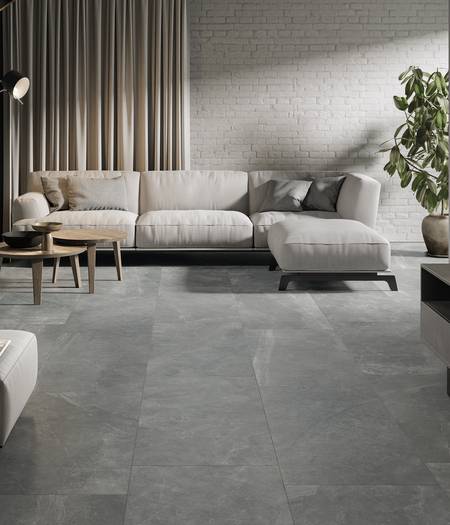
600×600 matt ceramic floor tiles
- Glazed Ceramic Tiles: Glazed tiles are coated with a surface glaze layer that provides better protection and enhances the tile’s aesthetic appeal. Depending on the glaze type applied, the tile’s brightness and water absorption will vary.
- Unglazed Ceramic Tiles: Because the surface is not glazed, the tile is homogeneous. This causes the color and patterns of unglazed tiles to blend with the tile body after being fired at high temperatures.
3.2. Classification by Tile Surface
The tile surface is also used as a factor to distinguish ceramic tiles into different types, each having its own outstanding characteristics suitable for specific purposes.
Polished Surface: Polished glossy ceramic tiles with a glossy polished surface utilizing 3D printing technology for lifelike textures, great light reflection, easy cleaning, stain resistance, keeping the floor looking brand new. Suitable for living room floors, kitchen walls, bathrooms…
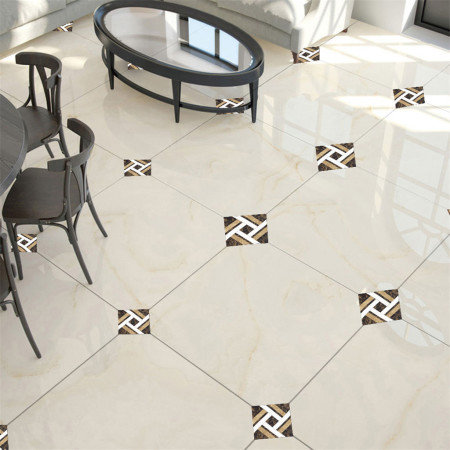
Glossy ceramic tile for living room flooring
Lappato Surface: The Lappato tile line, also known as semi-polished tile, is designed to balance light, crystallizing the advantages of both matte and glossy tiles. The Lappato surface is slip-resistant while providing a harmonious beauty that blends classic, welcoming, yet luxurious elements.
Matt Surface: This is a matte rough glazed tile line suitable for luxurious, modern European architectural styles. The product has very high hardness, suitable for both homes and public spaces.
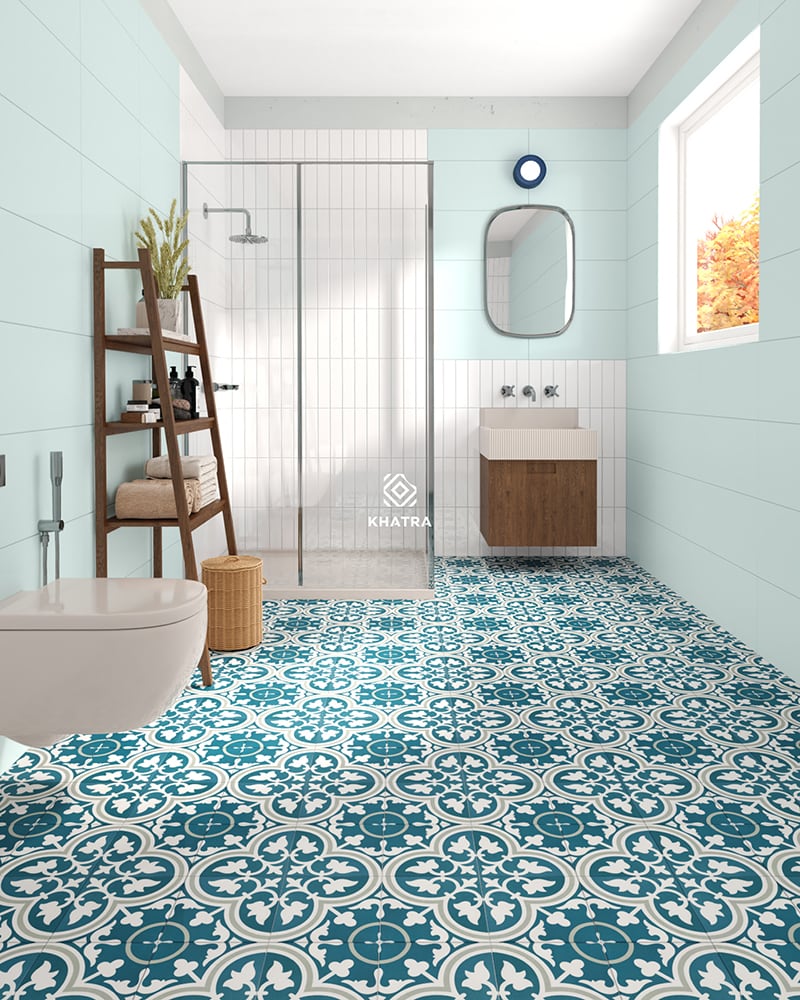
TD004 encaustic cement tile paired with mint green ceramic wall tiles
3.3. Classification by Usage and Function
Depending on specific characteristics, ceramic tiles serve different applications such as flooring, wall tiling, outdoor paving, and decoration; therefore, you need to clearly distinguish each type to make the right choice for optimal aesthetics and durability.
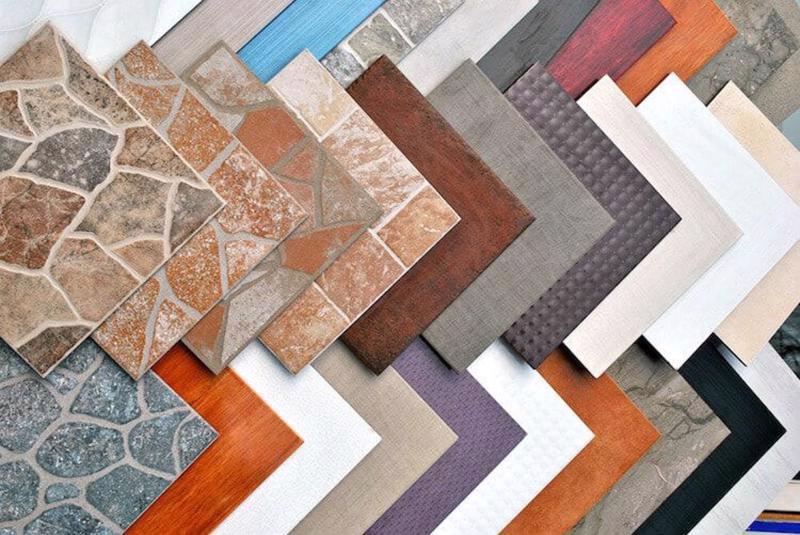
Ceramic tile models
Ceramic tiles used for flooring usually require high hardness, scratch-resistant, wear-resistant, anti-slip surfaces, and easy maintenance.
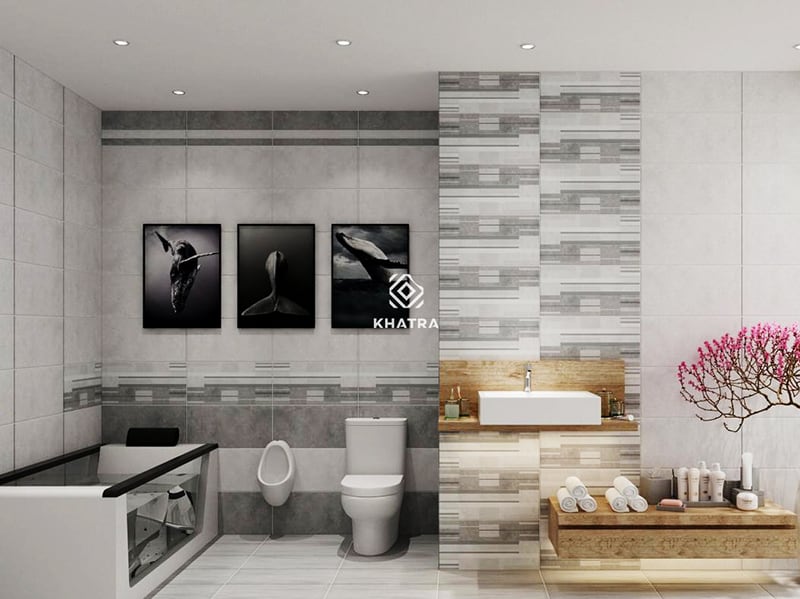
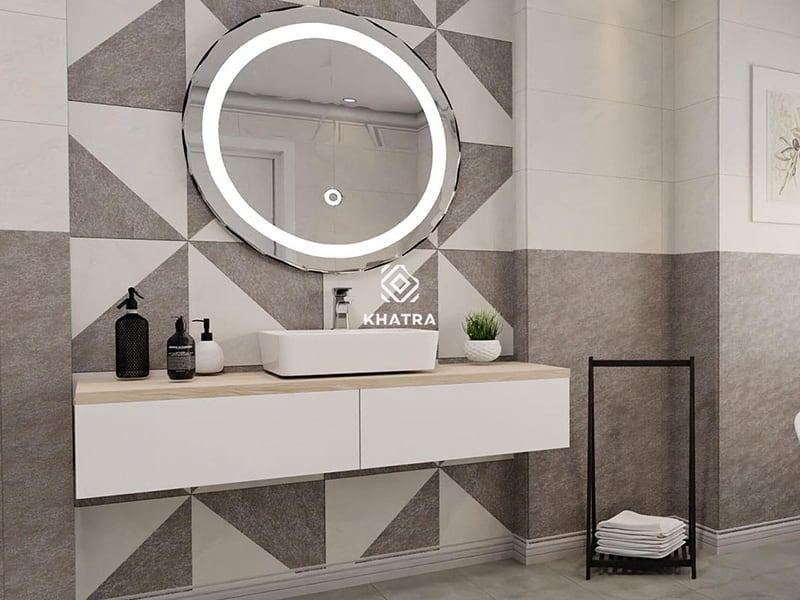
Conversely, wall tiles are often semi-gloss or glossy types due to their diverse colors, patterns, and light-reflecting properties; they do not require high load-bearing capacity but must be stain-resistant to protect the walls.
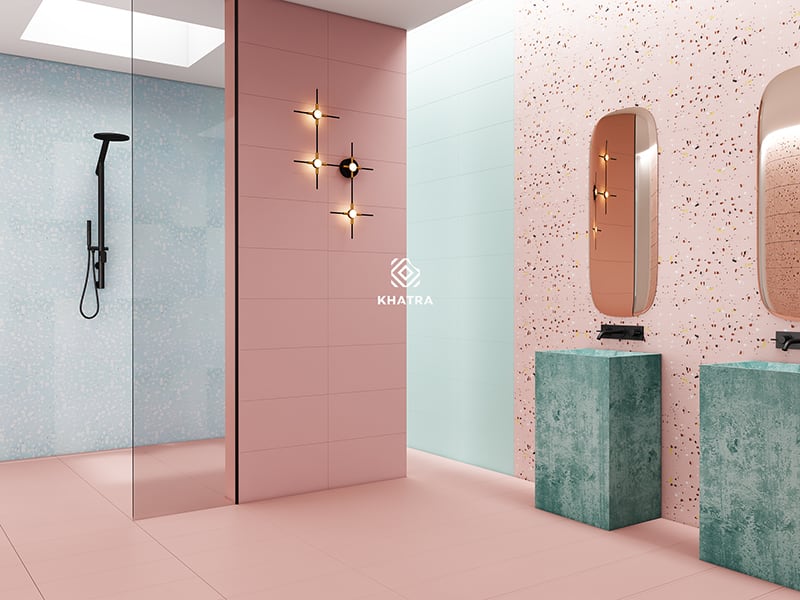
Pink ceramic wall tile model
Decorative glazed tiles demand high aesthetics, featuring premium small-format series with innovative surface designs that create distinctive accents.
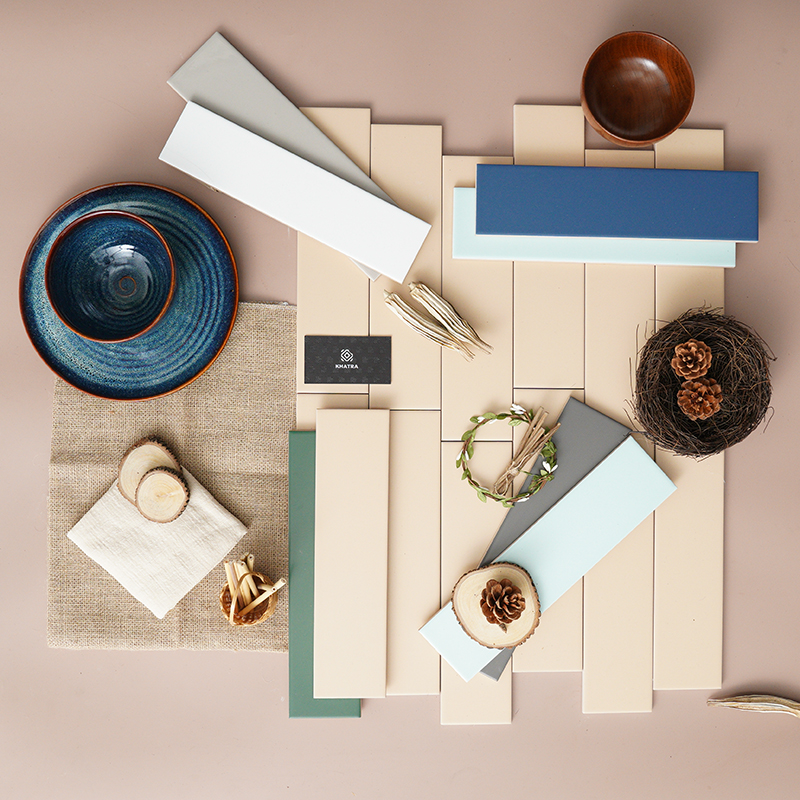
Decorative 75×300 ceramic subway tile
4. Ceramic Tile Price List
In the market, you can find a wide variety of ceramic wall and floor tiles at prices ranging from low to high depending on the type. To help you make the best choice, KHATRA shares the newly updated ceramic tile price list categorized by size and domestic brands.
| Tile Brand | Size (mm) | Price (VND) |
|
Viglacera |
300×600 | 215,000 |
| 400×400 | 105,000 | |
| 500×500 | 125,000 | |
| 600×600 | 322,000 | |
| 800×800 | 359,000 | |
| Dong Tam | 300×300 | 169,000 |
| 300×600 | 268,000 | |
| 400×400 | 125,000 | |
| 500×500 | 330,000 | |
| 600×600 | 460,000 | |
| 800×800 | 726,000 | |
| Prime | 300×600 | 80,000 |
| 400×400 | 125,000 | |
| 500×500 | 135,000 | |
| 600×600 | 165,000 | |
| 800×800 | 195,000 |
5. Popular Ceramic Tile Sizes
A key characteristic of ceramic tiles is the variety of sizes available to meet the needs of flooring, wall cladding, or decoration. The living area and interior design style will significantly influence the selection of suitable tile dimensions. Below are some of the most popular standard sizes.
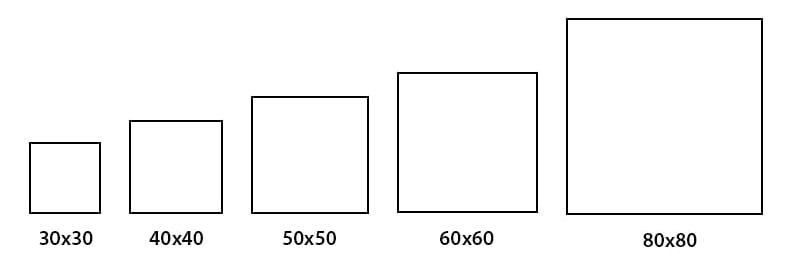
Square ceramic floor tile sizes
For instance, classic interior design often leans toward using smaller floor tile sizes such as 200×200, 300×300, and 300×600. Modern interior decoration mostly uses large formats such as 600×600, 800×800, and 600×1200.
5.1. 300×600 Ceramic Tile
This is a popular size for interior wall cladding needs in areas such as bathrooms, kitchens, small living rooms, and facade walls…
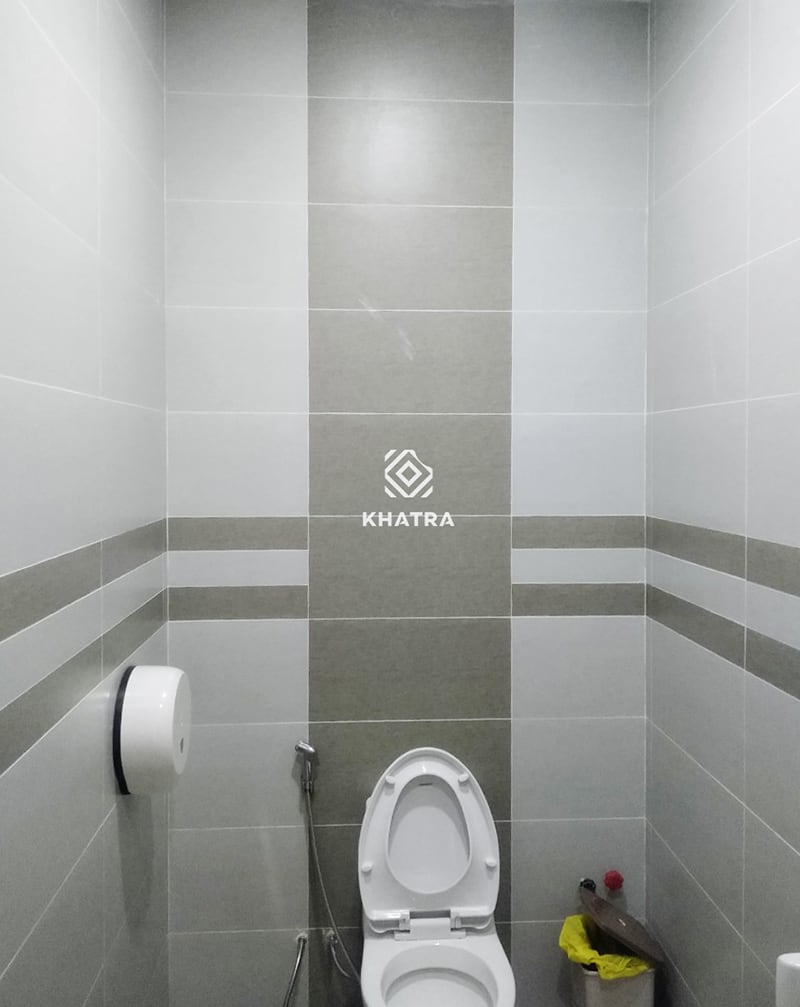
300×600 ceramic bathroom wall tile set
5.2. 600×600 Ceramic Tile
600×600 tiles are used for flooring in all areas from bedrooms, bathrooms, and kitchens to living rooms or commercial projects, as long as the surface pattern matches the overall aesthetic.
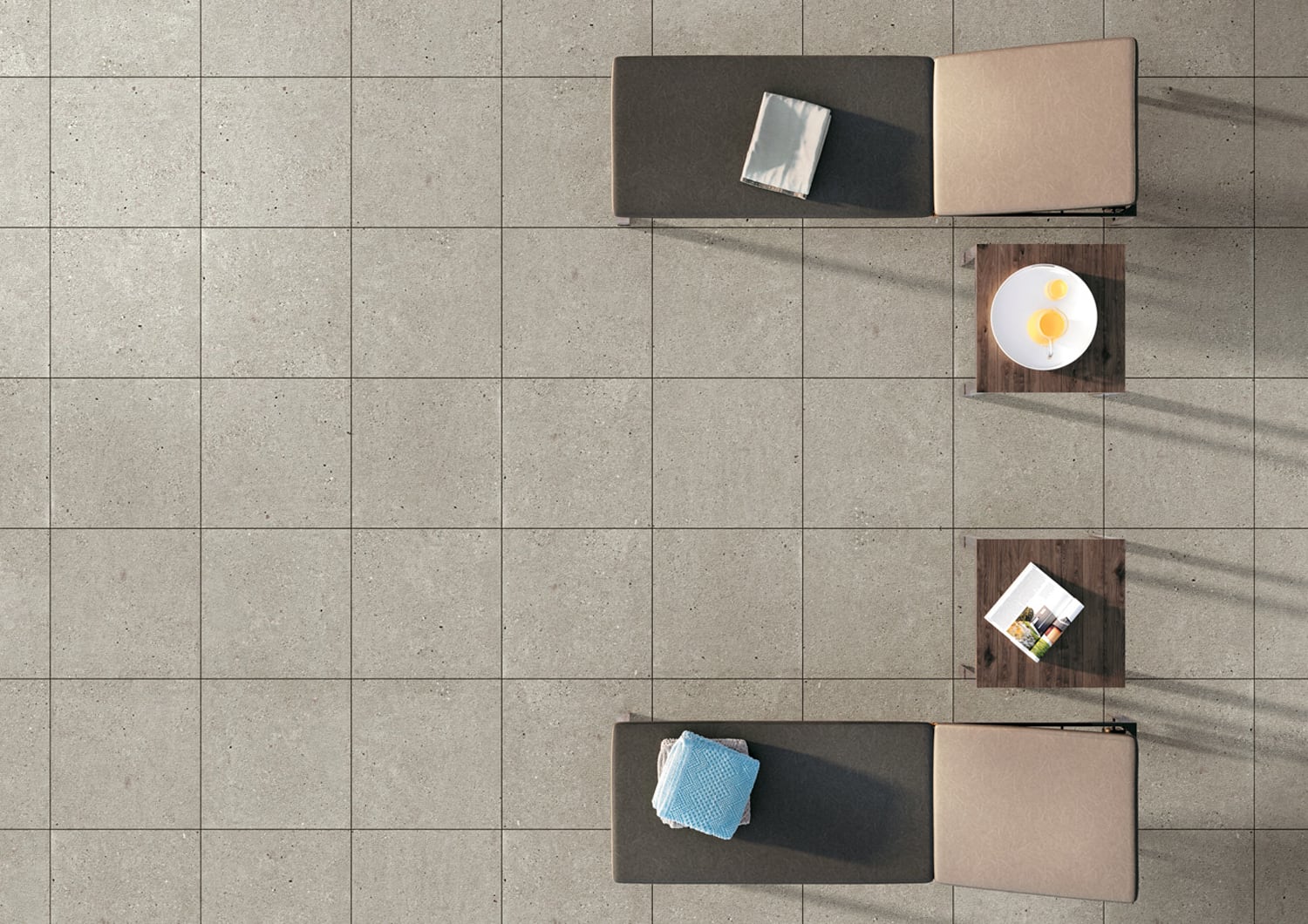
600×600 ceramic floor tile
Additionally, most large spaces such as shopping malls and offices often use large floor tiles around 800×800. Moreover, you can use 600×1200 tiles if the living room is spacious to make the room more open and stylish.
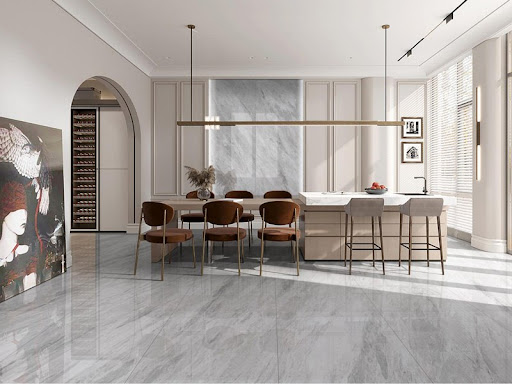
600×1200 ceramic floor tile
5.3. 500×500 Ceramic Tile
Ceramic tiles sized 400×400 and 500×500 are mid-size formats, commonly used for gardens and terraces. To ensure quality, load capacity, and long-term durability, outdoor floor tiles must feature an anti-slip matte/textured surface, good drainage, and weather resistance.
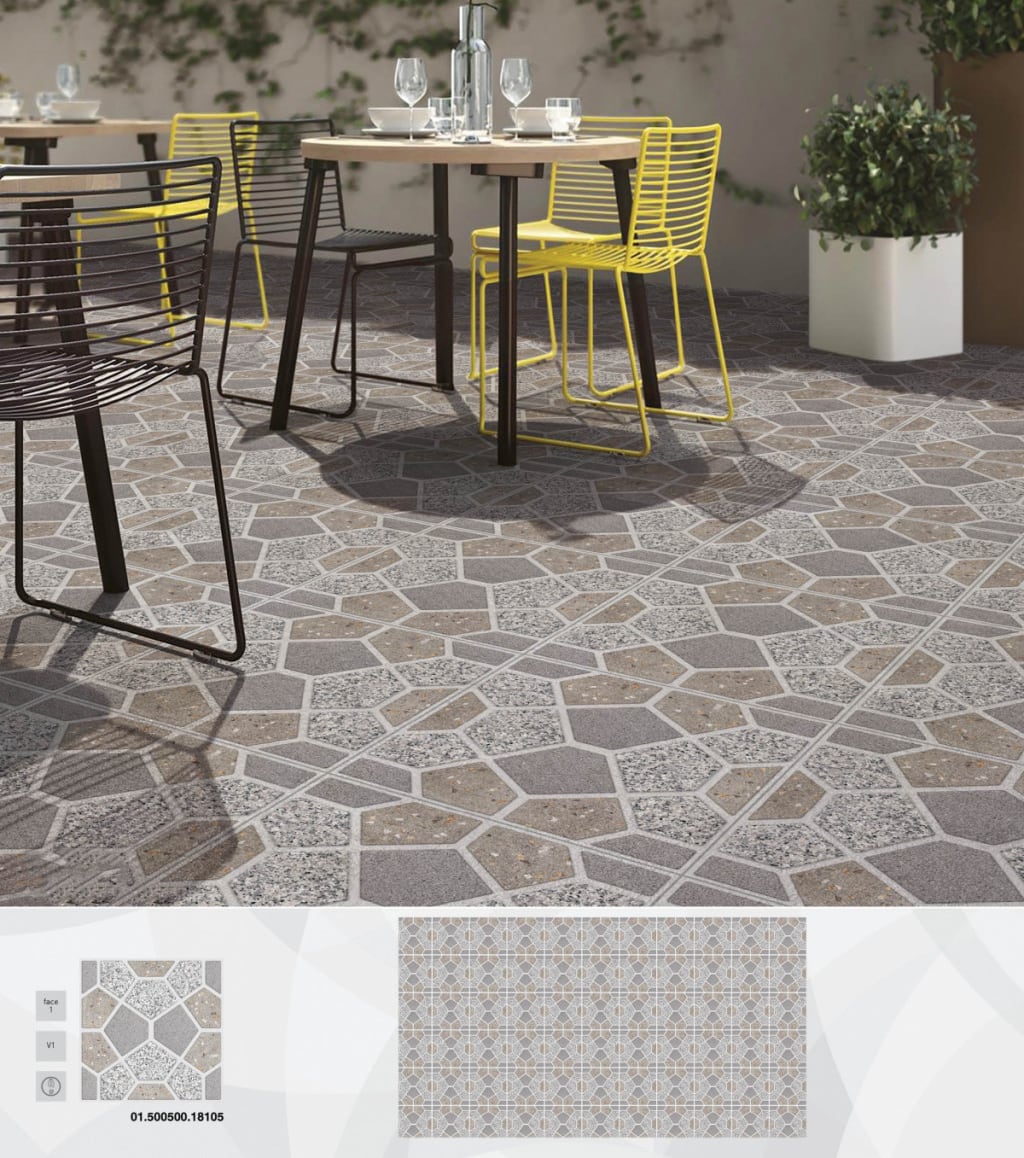
500×500 Prime ceramic outdoor tile
5. Pros and Cons of Ceramic Tile
Ceramic tiles bring modern aesthetics, making rooms appear more airy and spacious. At the same time, this line of tiles also facilitates easier cleaning in households.
- Pros: Durable color under harsh environmental conditions, no cracking, no mildew, suitable for all spaces. Dry-glazed tiles also offer anti-slip properties, high surface hardness, and good scratch resistance. Affordable price, simple and easy installation.
- Cons: The biggest drawback of this tile line is its high water absorption rate, making it prone to cracking after extended use.
6. Comparison between Granite, Ceramic, and Porcelain Tiles
| Comparison | Granite Tile | Ceramic Tile | Porcelain Tile |
|
Composition |
70% stone powder, 30% refined clay and additives | 70% clay (including common clay, kaolin…), 30% stone powder and additives. | 70% stone powder, 30% refined clay and additives. |
| Water Absorption | Less than 0.5% | Around 3% up to 10% | Less than 0.5% |
| Firing Temperature | Above 1200°C | Standard ceramic tiles are fired from 1200°C – 1500°C (note that this temperature also depends on the production process of each manufacturer). | From 1200 – 1220°C |
| Characteristics | Very high durability, waterproof, better load bearing than the two types above | Much lower waterproofing capability compared to Porcelain and Granite. Ceramic tiles are also more fragile. | Extremely good load bearing and scratch resistance |
| Identification | – Smoothness: Surface smoothness is achieved through polishing.
– Material: Homogeneous from bottom to top surface. – Patterns: Fewer designs, textures are typically natural and simple |
– Patterns: Ceramic tile designs and patterns are extremely diverse and rich.
– Surface observation: From the cross-section, you can see a thick glaze layer and thin tile body, usually red because the main component is clay. |
– Surface is coated with porcelain glaze. The glaze can be glossy, structured, or matte depending on the function and purpose of use.
– Thick tile body, thin glaze; cross-section observation shows the body is usually white. |
| Price Range (For reference only) | Price from 90,000 – 200,000 VND/m2 | Price from 50,000 – 200,000 VND/m2 | Price from 70,000 – 220,000 VND/m2 |
7. Top 5 Popular Ceramic Tile Models
Depending on your needs and purpose of use, you can choose corresponding ceramic tile products. Living rooms, bedrooms, bathrooms… are not only spaces for hosting, sleeping, and bathing, but also areas for relaxation, rest, and expressing the homeowner’s personal style. Khatra provides high-quality imported tile models with unique designs at reasonable prices for your optimal choice.