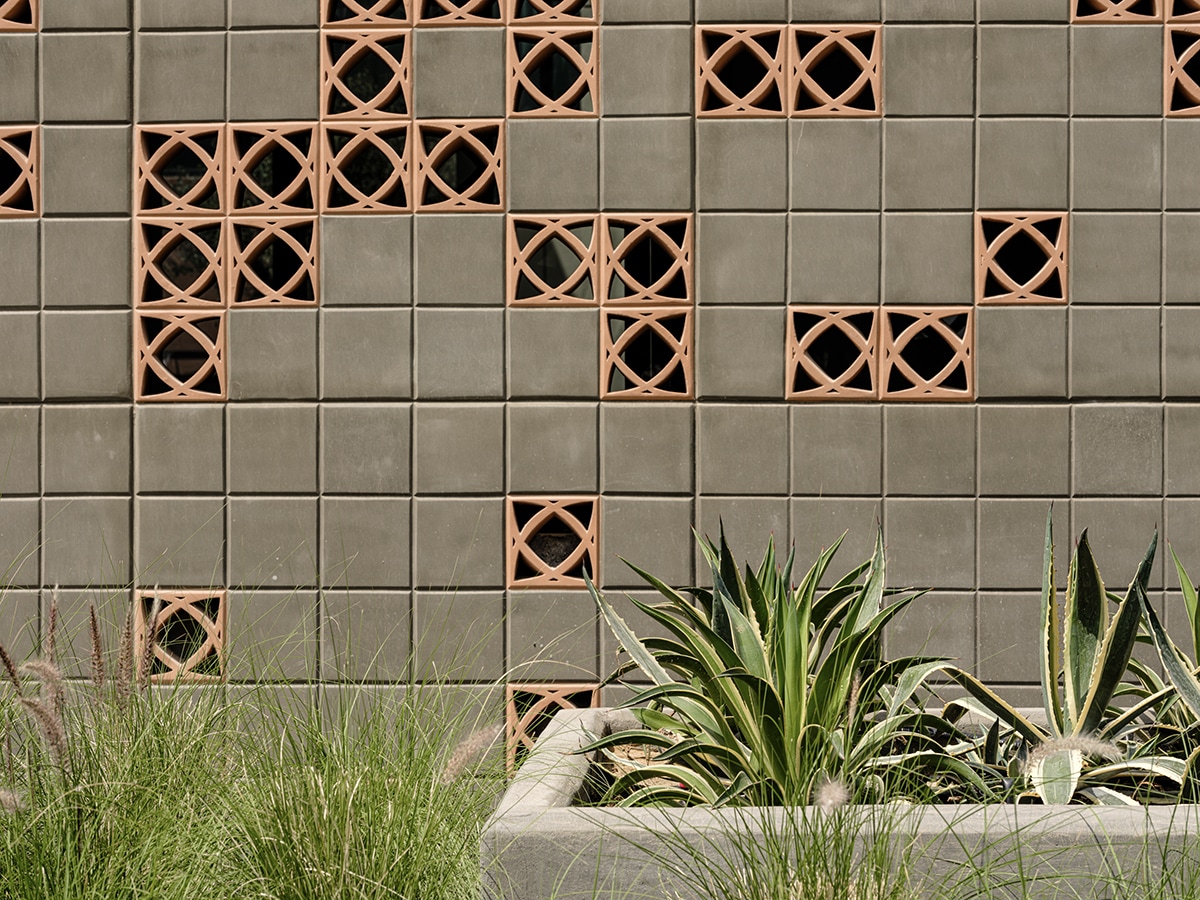
When mentioning breeze blocks (ventilation bricks), many people probably imagine the small ventilation openings in kitchens, bathrooms, or balconies of old house designs. Over time, with the advent of more technologies, ventilation no longer required those old cement blocks, and breeze blocks gradually became less common.
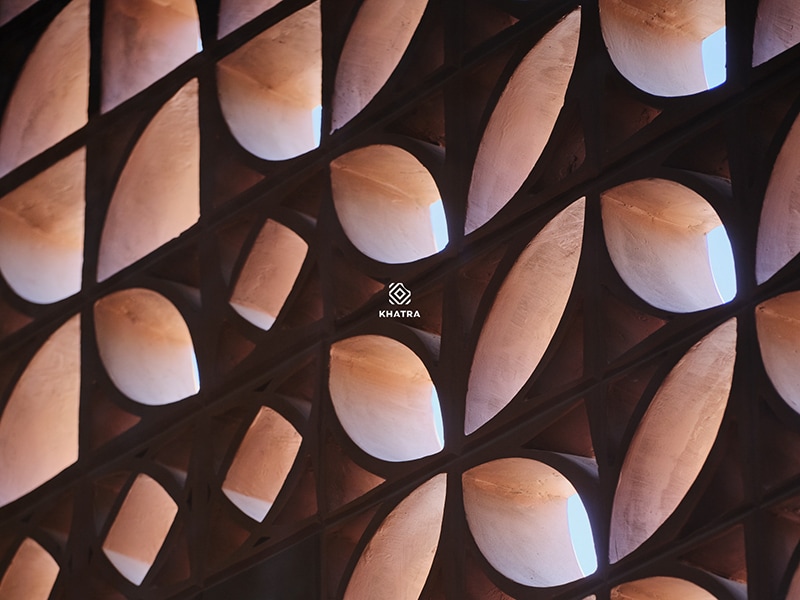
Ventilation blocks for toilet daylighting
Today, with the resurgence of nostalgic interior design trends such as Retro, Vintage, Indochine, etc., this classic breeze block style is gradually regaining its stature, becoming a unique decorative tile with an improved look that combines classic charm with a touch of modern flair.
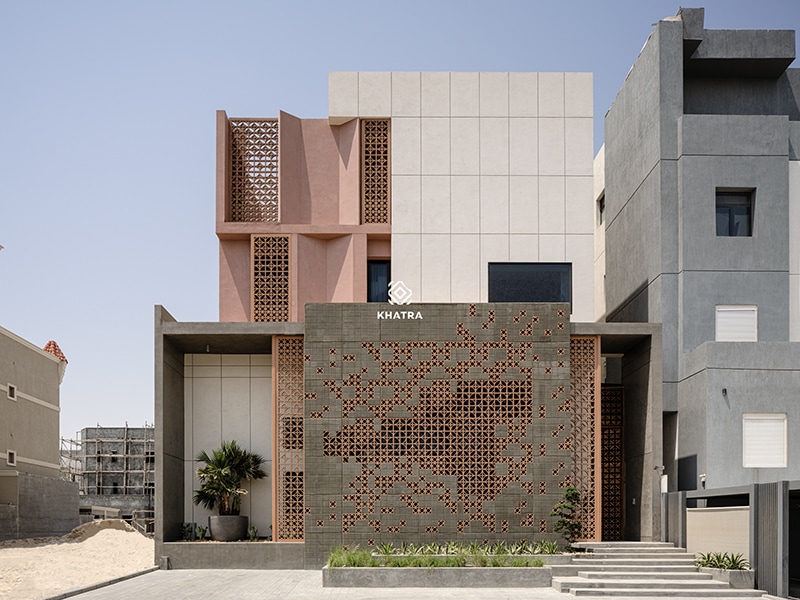
Breeze block facade wall
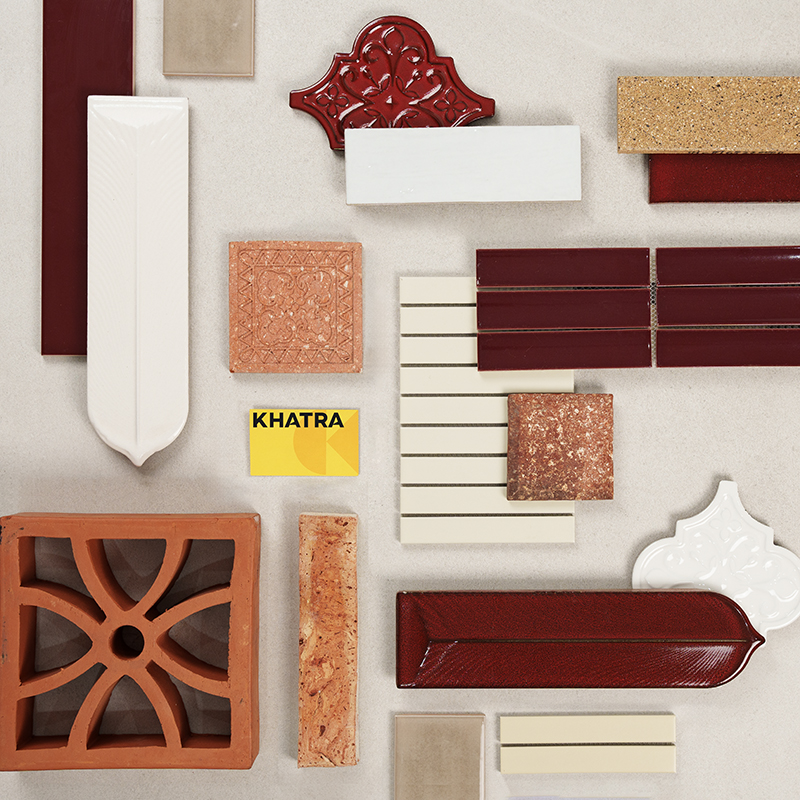
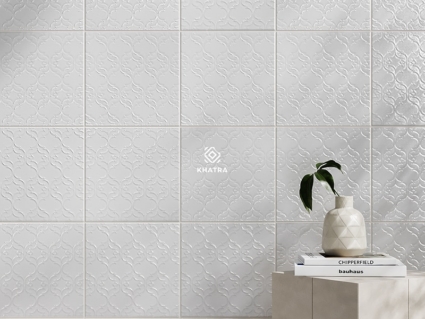
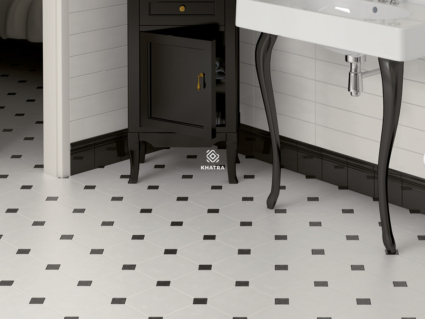
Antique-look tile mix flatlay – breeze blocks and subway tiles
1. What are Breeze Blocks?
Breeze blocks, also known as ventilation blocks or pattern blocks, are square cement blocks with hollow decorative patterns, primarily used for: bringing in natural light, allowing ventilation, and shielding against rain.
This traditional block type was originally entirely handmade, so it often had certain minor imperfections, and was relatively affordable.
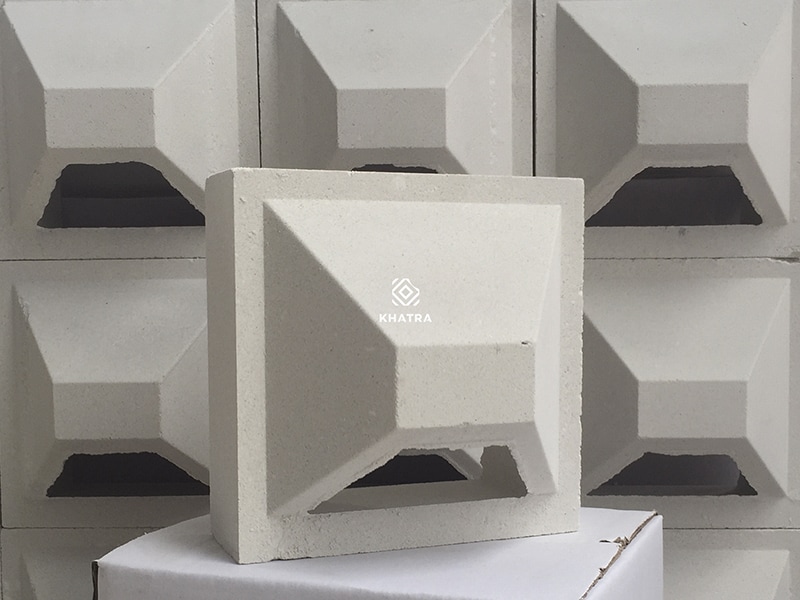
Cement breeze blocks
Nowadays, breeze blocks are mass-produced using modern hydraulic pressing technology, resulting in higher finishing quality and diverse patterns to meet the aesthetic demands of various projects, from residential to commercial.
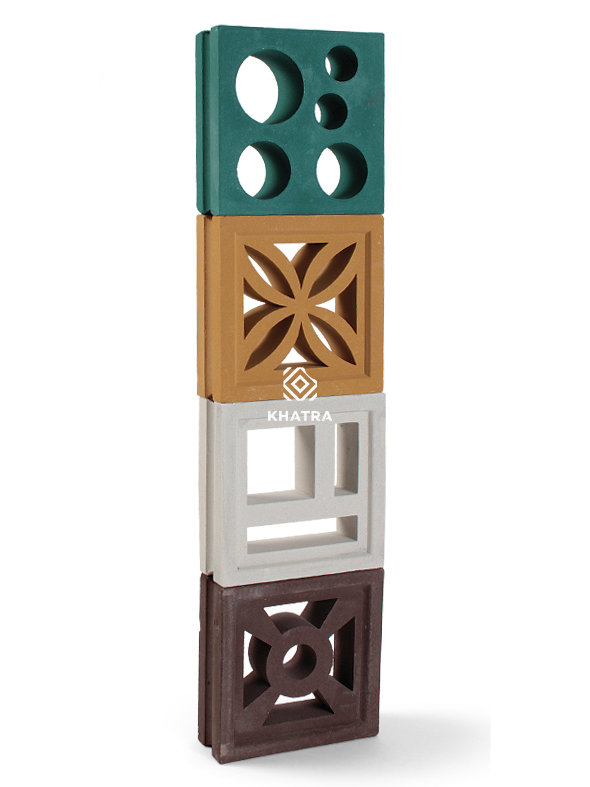
Ventilation breeze block colors
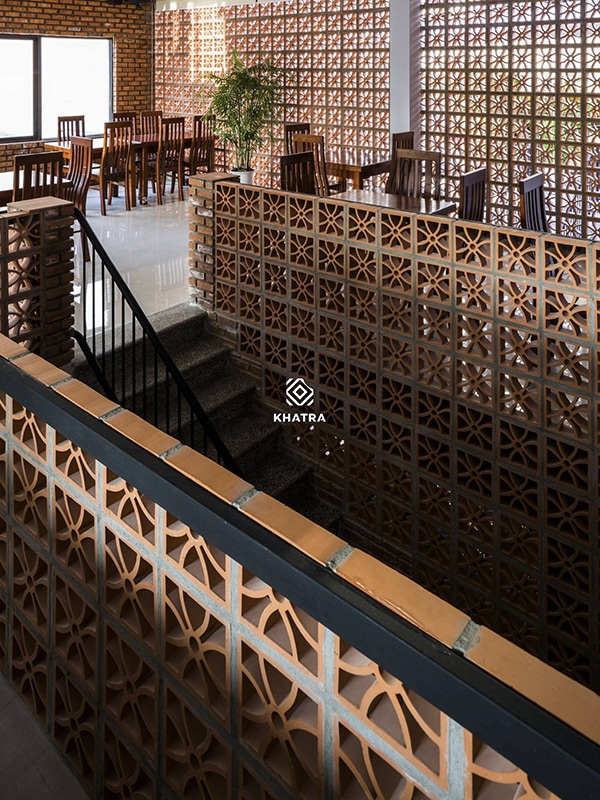
1.1. Breeze Block Dimensions
The size of breeze blocks is usually chosen based on the space area and the architect’s design intention. Currently, this tile line is commonly produced in 2 popular sizes.
- 200×200 Ventilation Blocks: In practice, the actual edge size of this type ranges around 190mm (190x190x65mm), weighing about 2.7 – 3.6kg per block, with an average coverage of 25 blocks/m2.
- 300×300 Breeze Blocks: Similarly, the dimensions of this type range around 290mm (290x290x90mm), with each block weighing about 7.62 – 11kg and an average coverage of 11 blocks/m2.
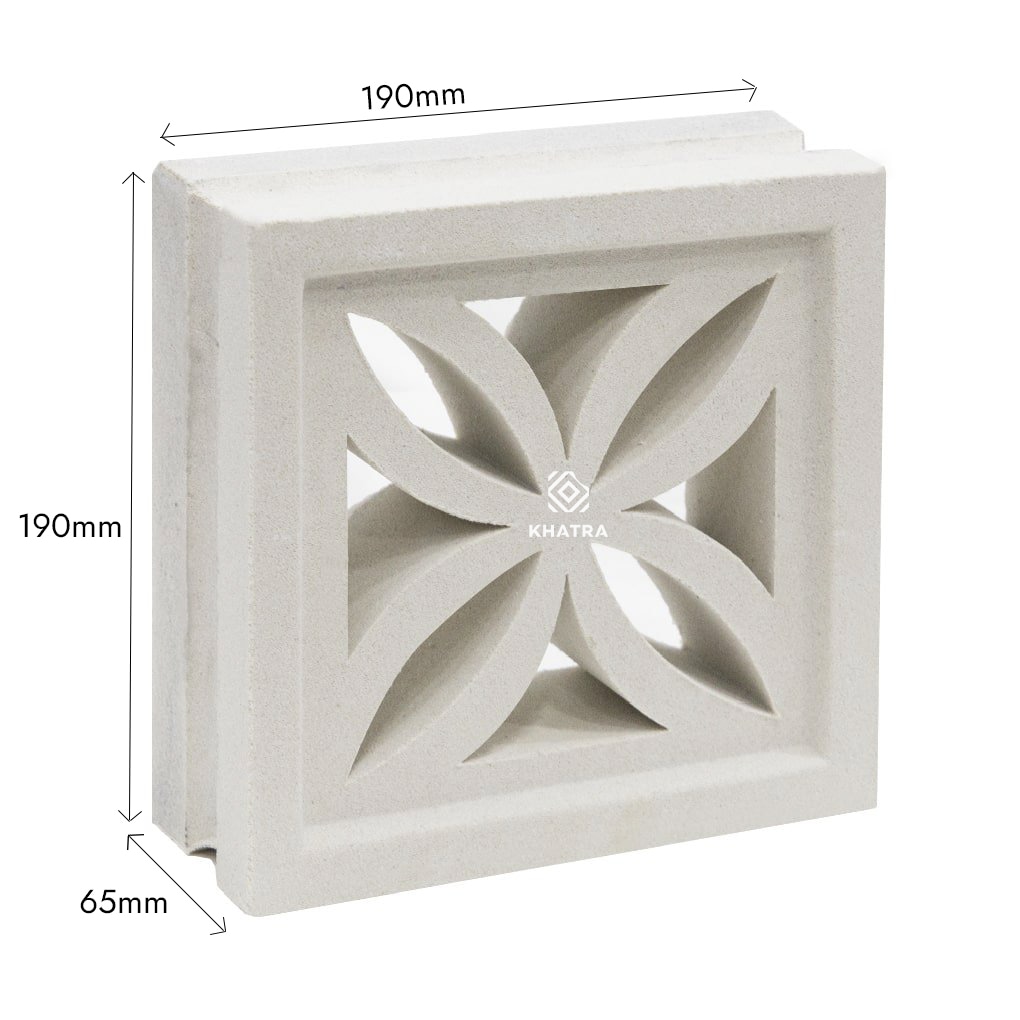
Ventilation block dimensions
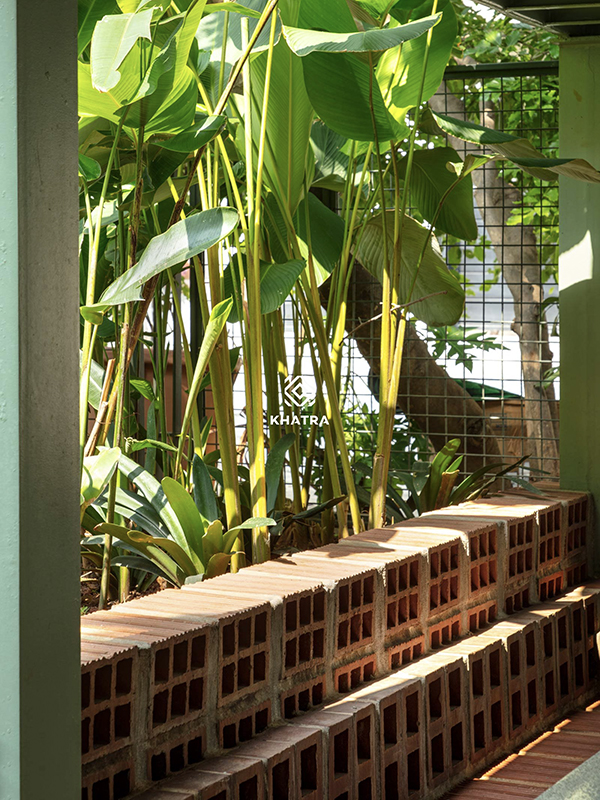
Red breeze blocks used for fence
1.2. Classification of Breeze Blocks
Breeze blocks are usually classified based on materials and shapes.
- Based on material, ventilation blocks are divided into 2 main types: cement breeze blocks and terracotta breeze blocks.
- Based on design, breeze blocks are also divided into 2 main types: pyramid (bánh ú) breeze blocks and decorative breeze blocks.
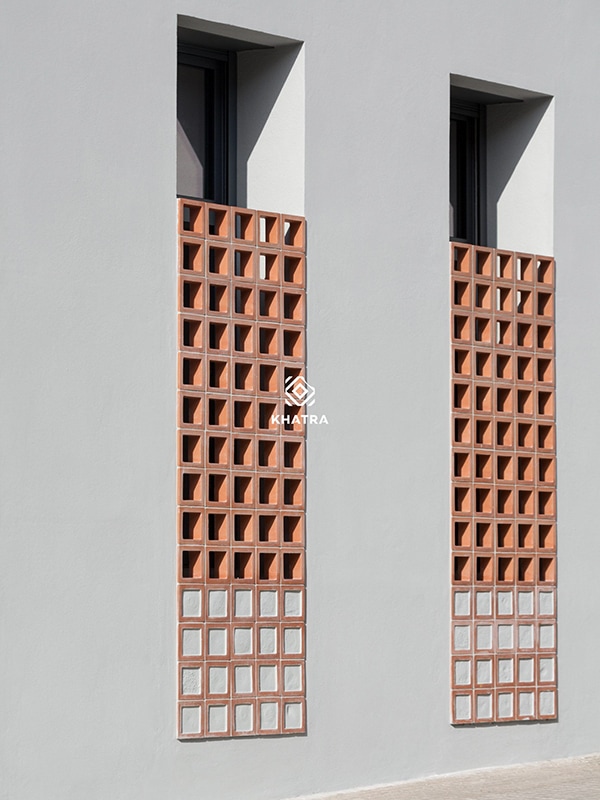
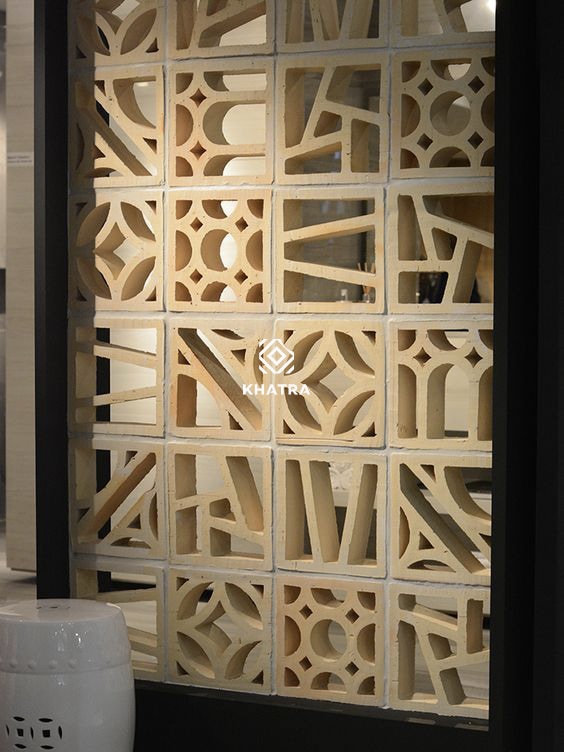
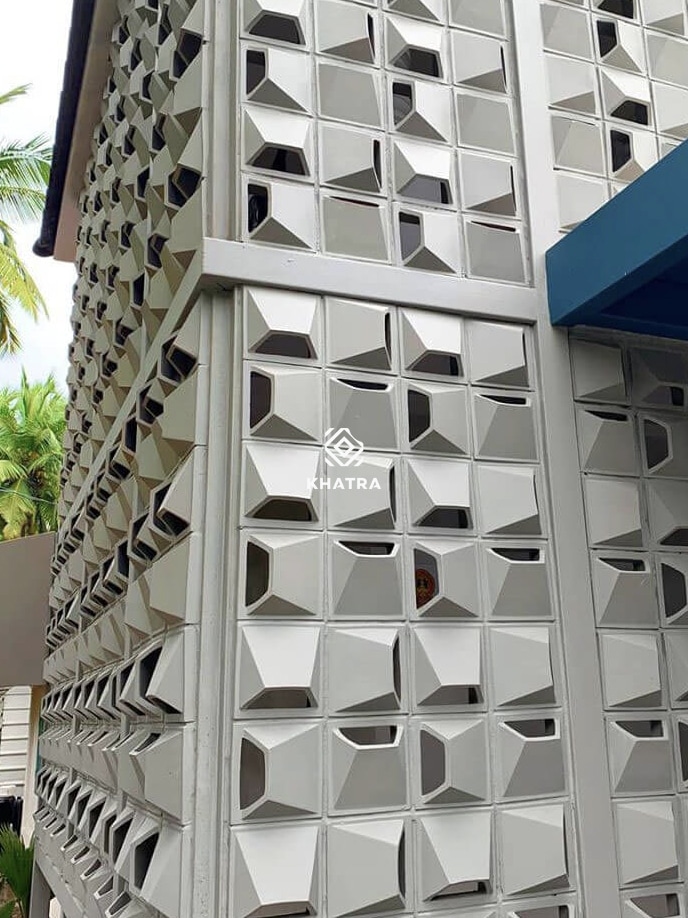
2. Popular Breeze Block Designs Today
2.1. Cement Breeze Block Designs
Cement breeze blocks typically offer high hardness and great load-bearing capacity, reducing breakage during transportation and installation. Produced with hydraulic pressing technology, today’s cement ventilation blocks also feature more diverse patterns with minimal dimensional variance…
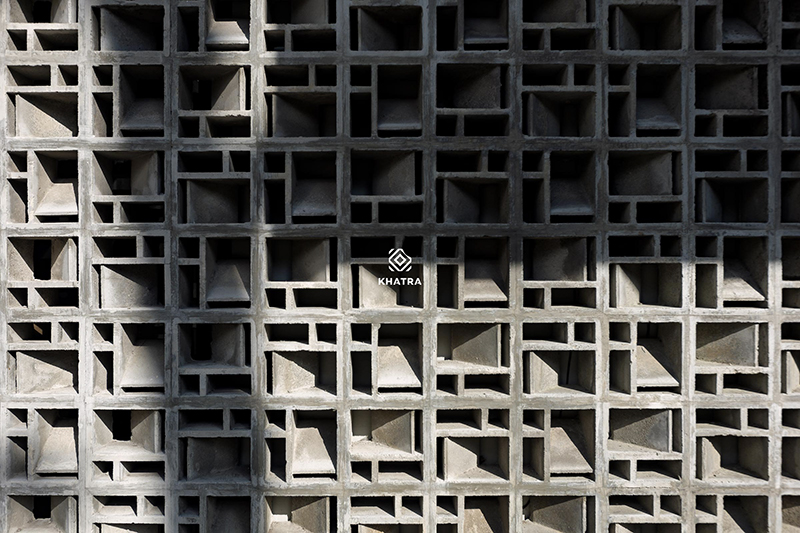
Cement breeze blocks for wall cladding
This block type usually comes in 2 main colors: cement grey and white; in addition, custom colors can also be produced upon request.
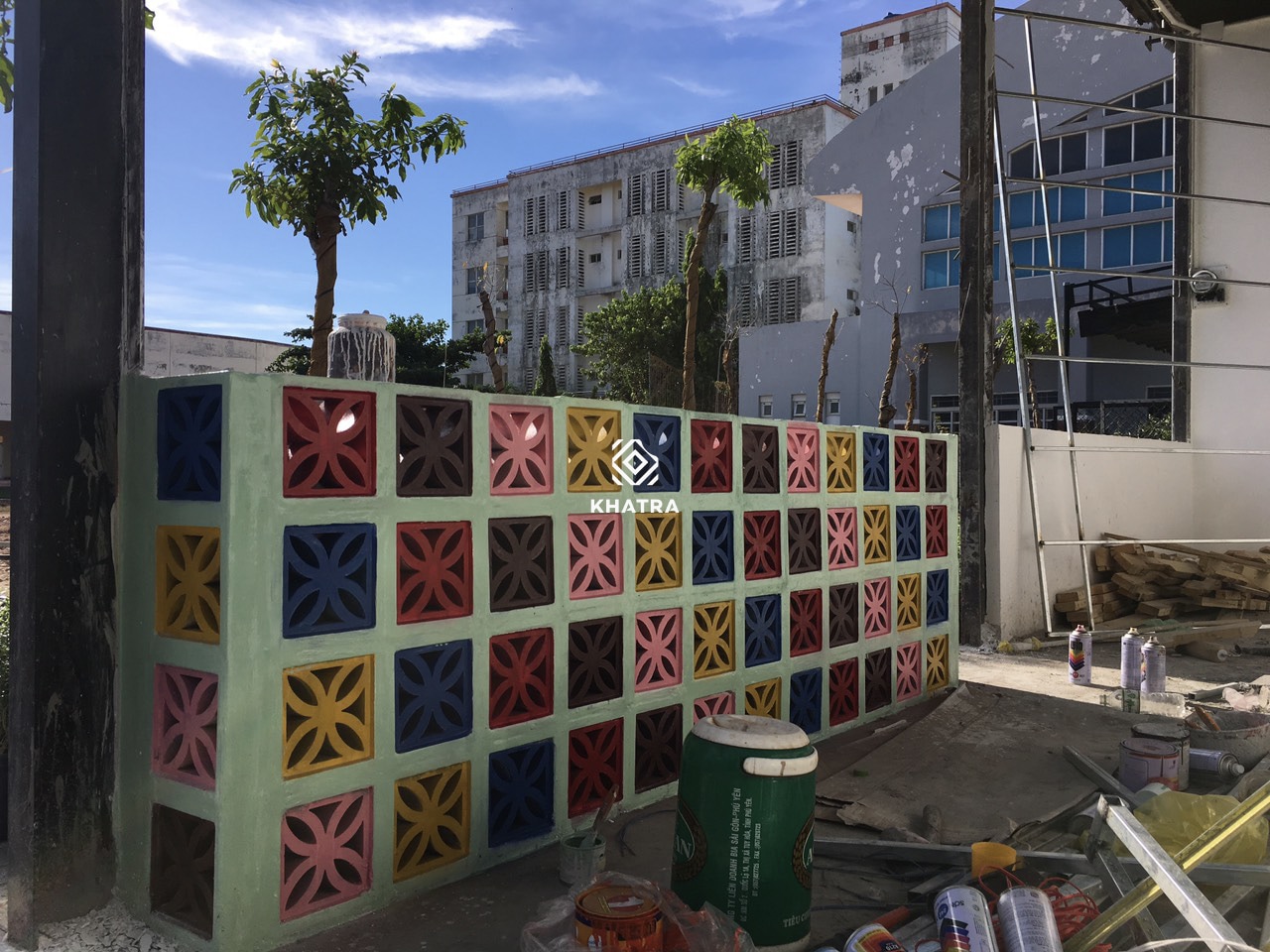
Multi-colored cement breeze blocks for facade
Some cement ventilation block patterns available at KHATRA showroom
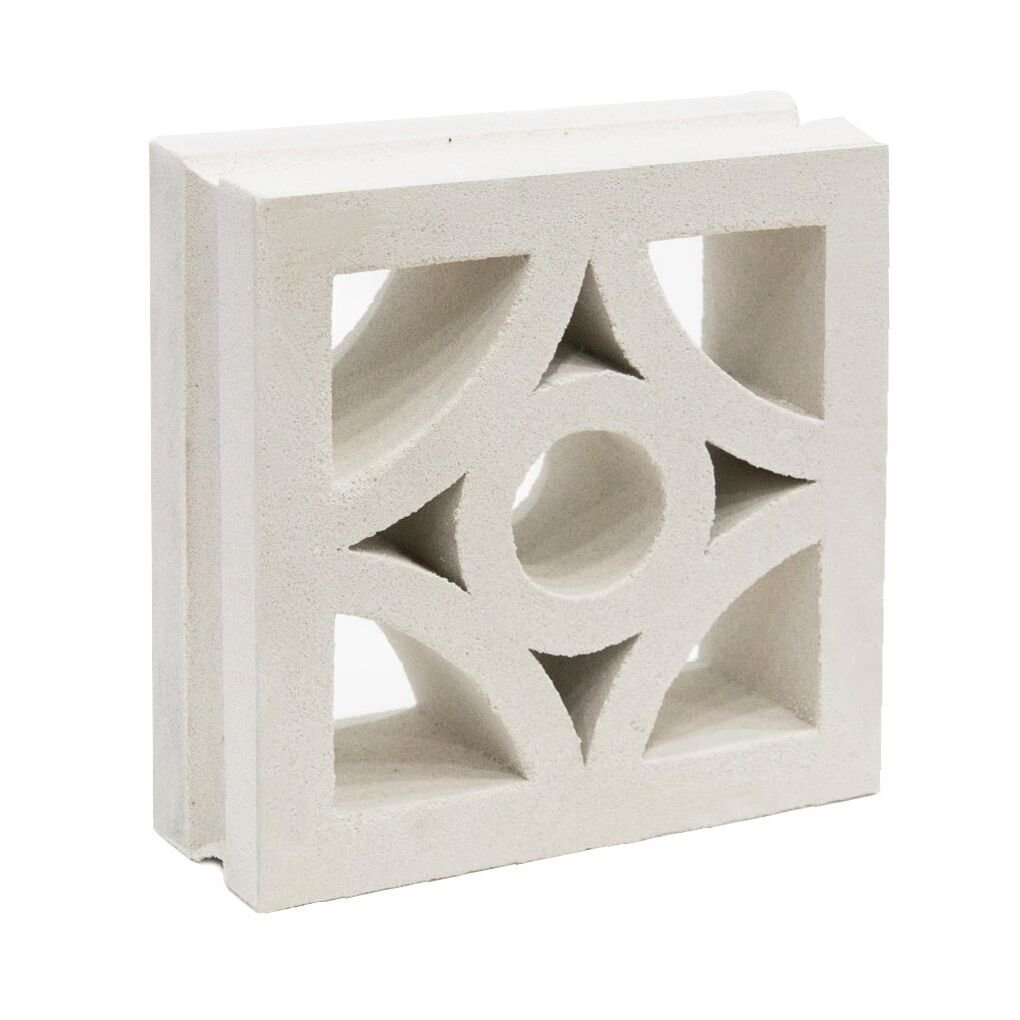
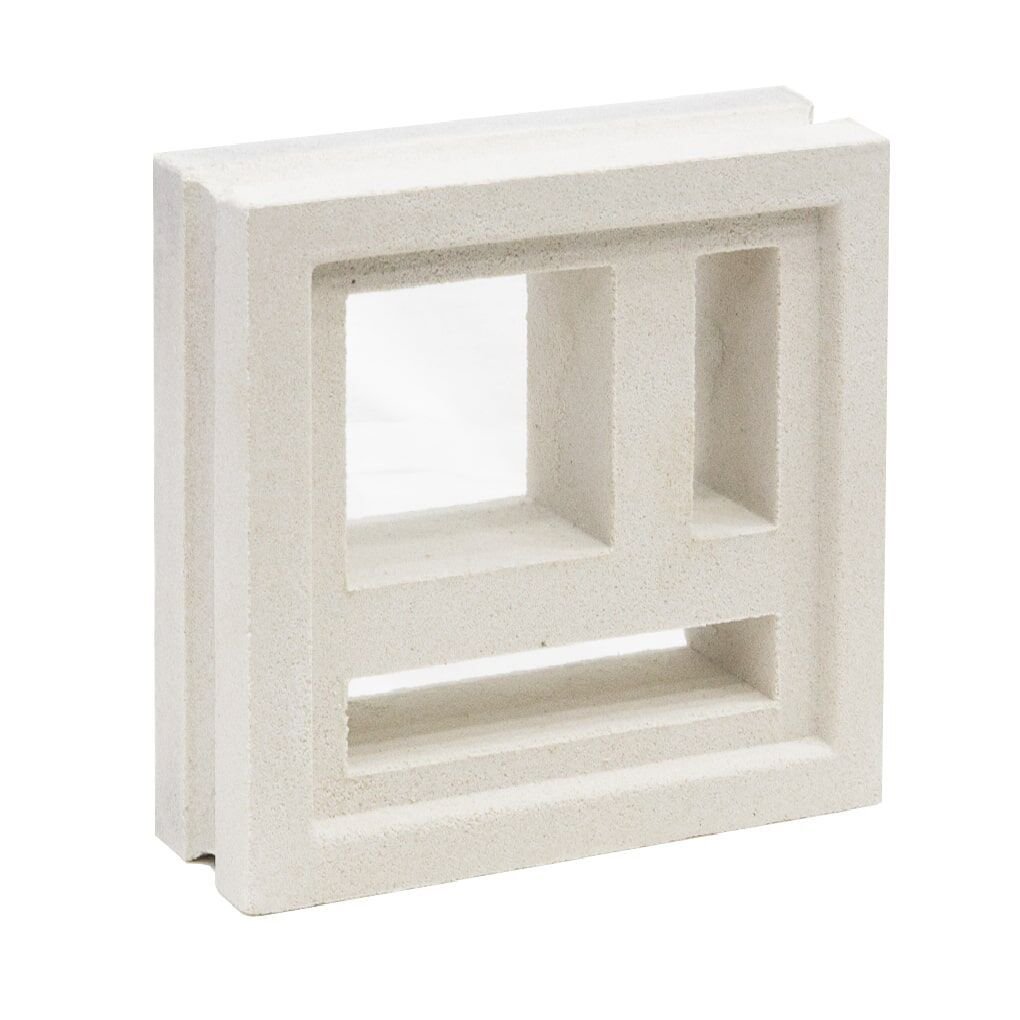
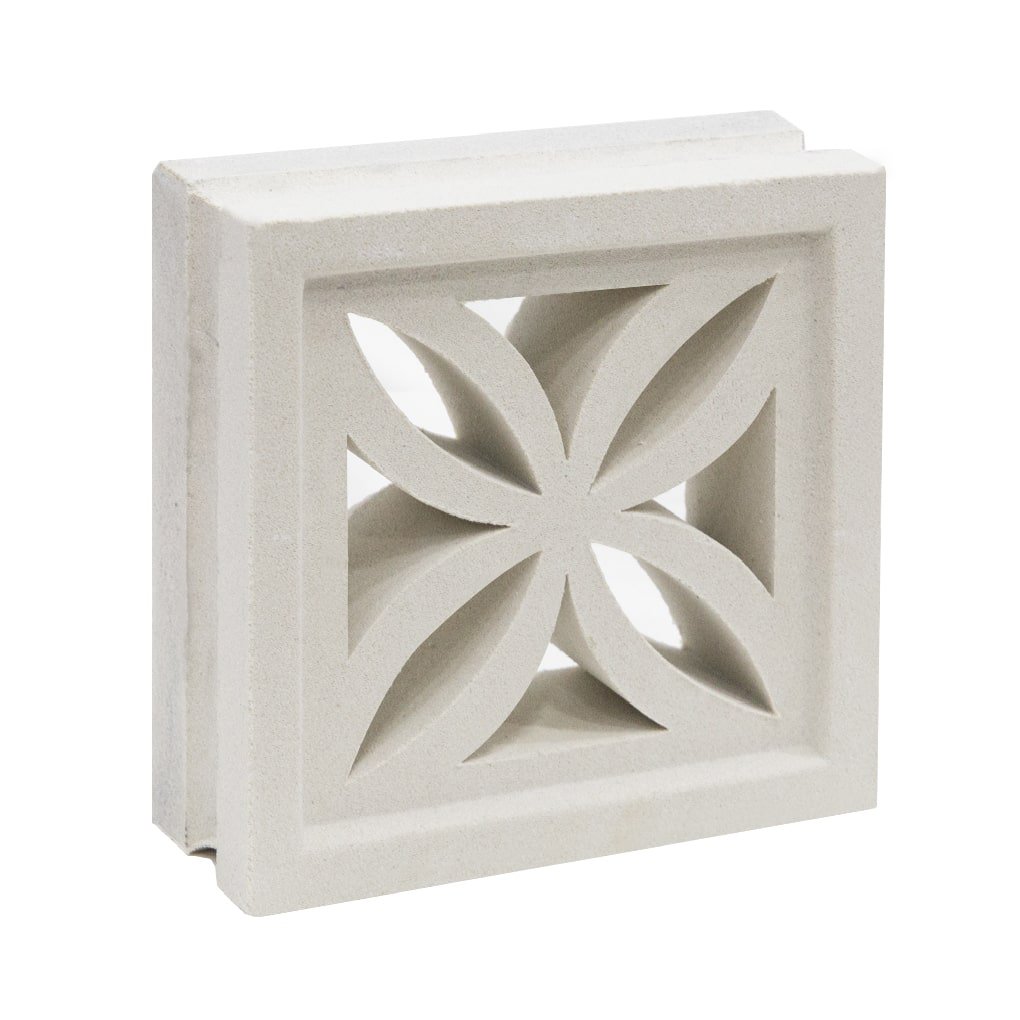
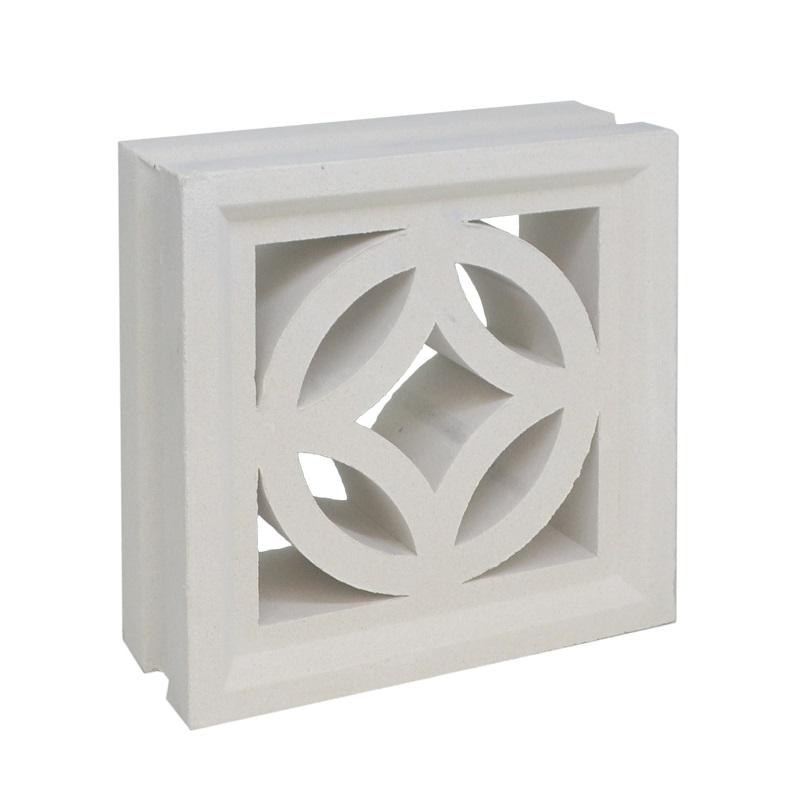
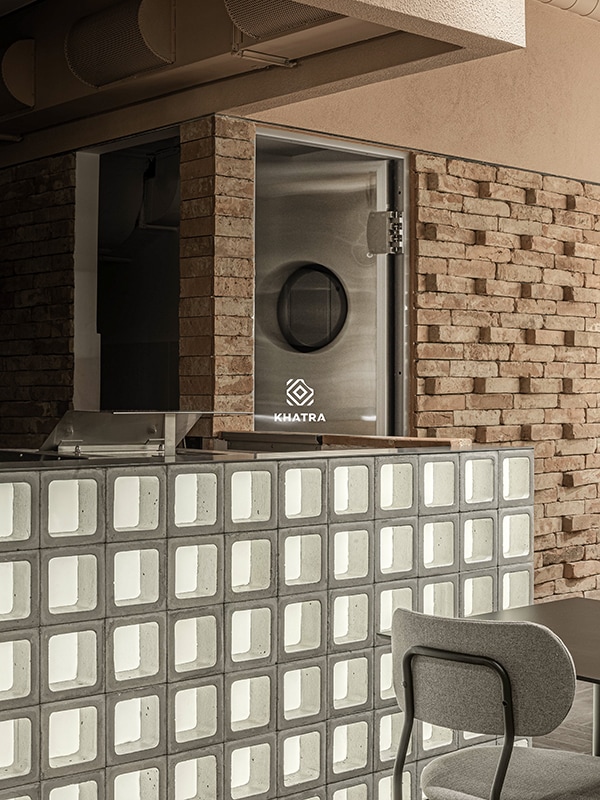
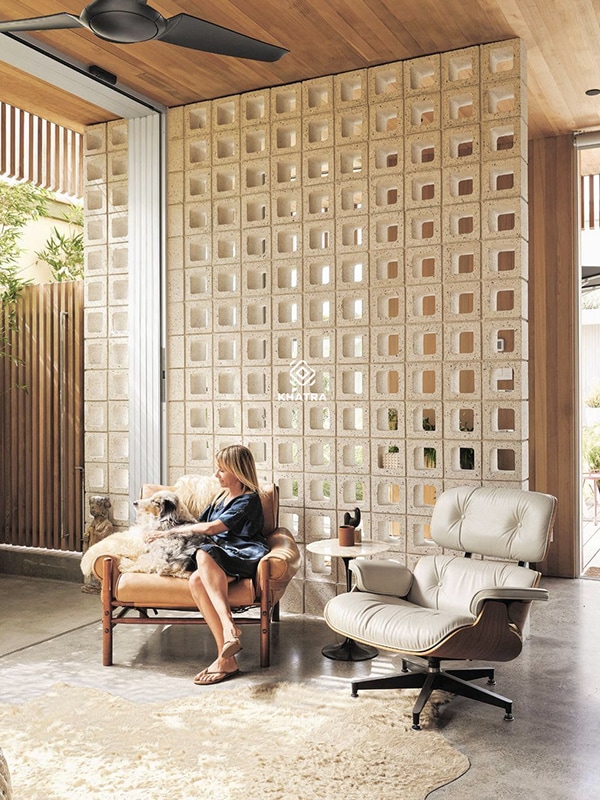
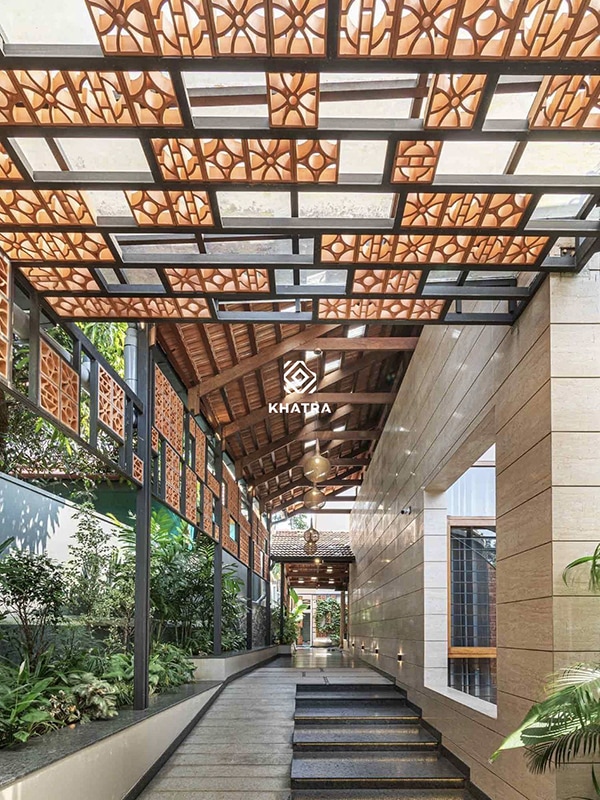
Real project photos of clients using cement breeze blocks
2.2. Terracotta Breeze Block Designs
Similar to cement blocks, terracotta breeze blocks have also been upgraded with more patterns and diverse dimensions. However, in terms of hardness, terracotta ventilation blocks are generally softer and more fragile, and cannot be custom colored like cement blocks; in return, this line of blocks delivers an irreplaceable rustic, classic beauty.
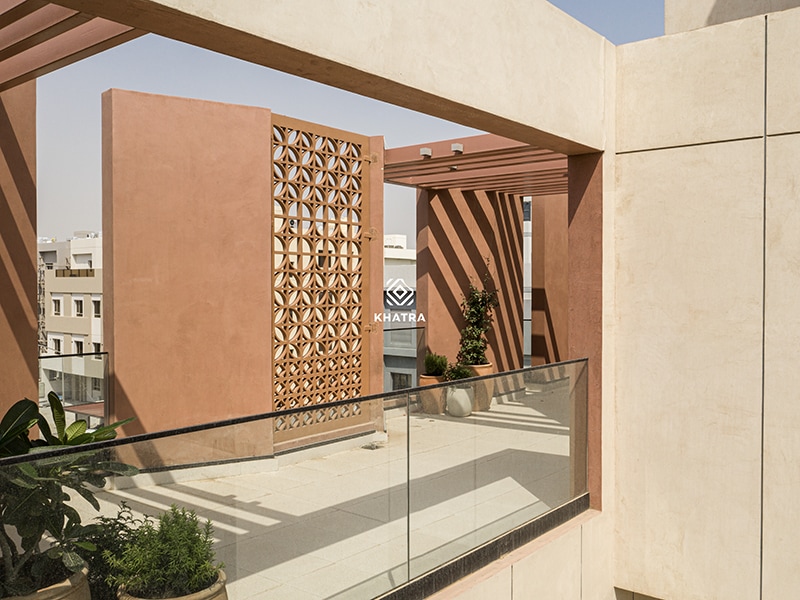
Terracotta breeze blocks for daylighting wall
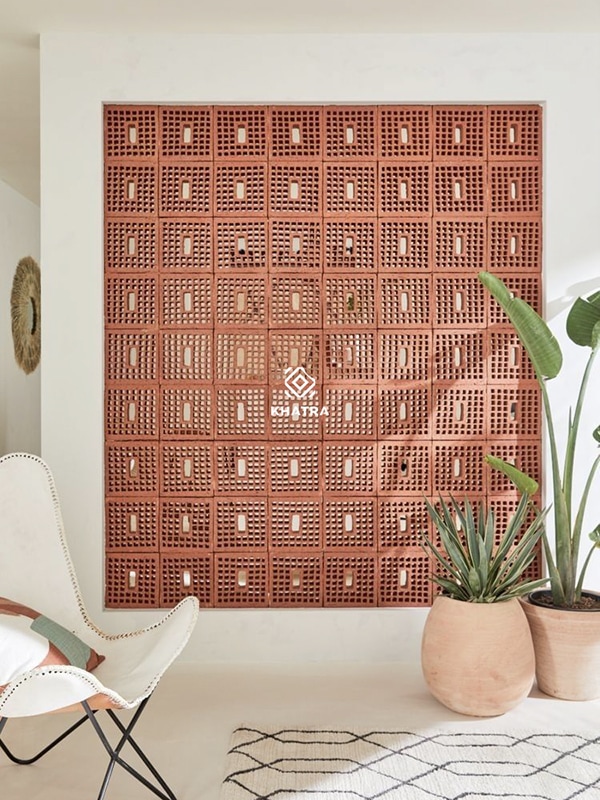
See more popular terracotta tile (Tunnel tile) models here.
3. Breeze Block Price List
Khatra provides you with an estimated price list for breeze blocks, updated for 2025.
| Tile Type | Grey cement block | White cement block | Terracotta breeze block | Ceramic ventilation block | Pyramid ventilation block |
| Unit Price (VND/piece) | 18,000 – 24,000 | 22,000 – 28,000 | 17,000 – 20,000 | 35,000 – 42,000 | 18,500 – 25,000 |
4. Popular Applications of Breeze Blocks
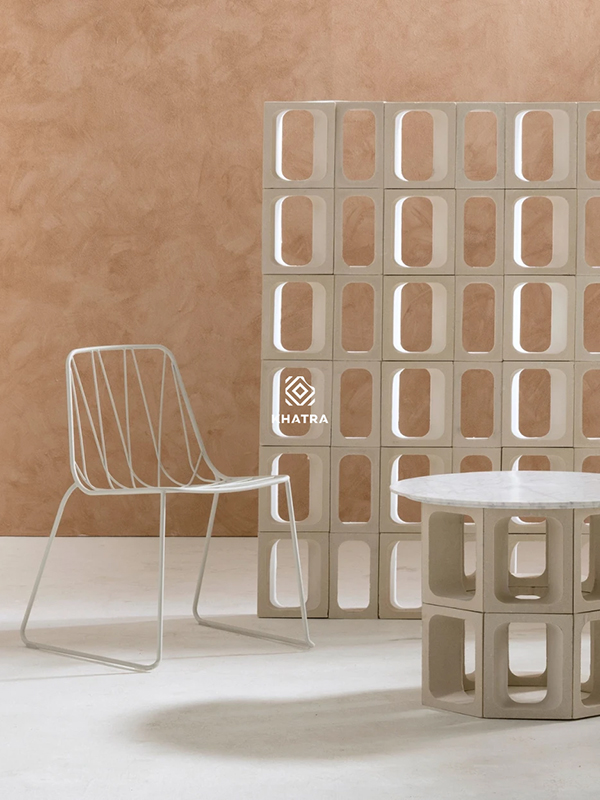
In addition to basic functions such as daylighting, ventilation, and rain shielding, breeze blocks today are widely used in interior and exterior design: facades, partition walls, table bases, decorative cladding for bar counters, etc., creating a creative, unique space that feels “familiar yet novel”.
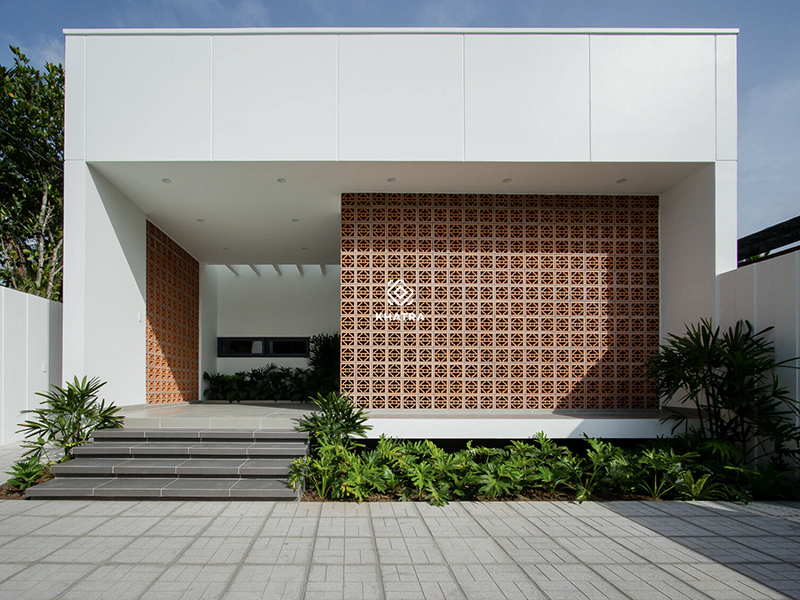
Red breeze block facade cladding
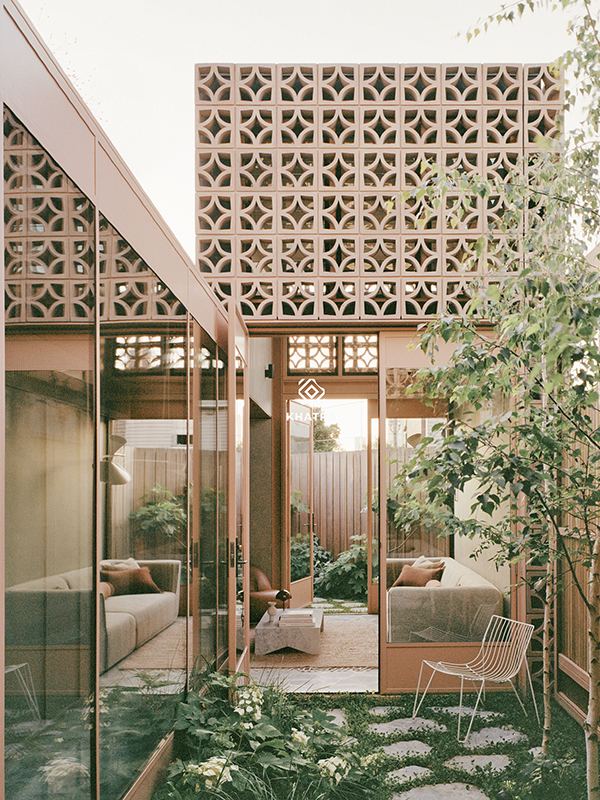
Facade breeze blocks paired with grass pavers for courtyard
4.1. Breeze Blocks for Daylighting
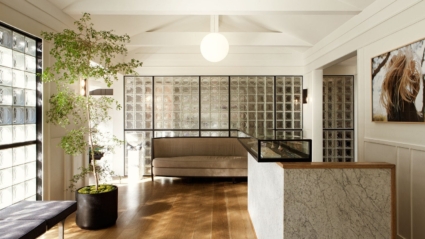
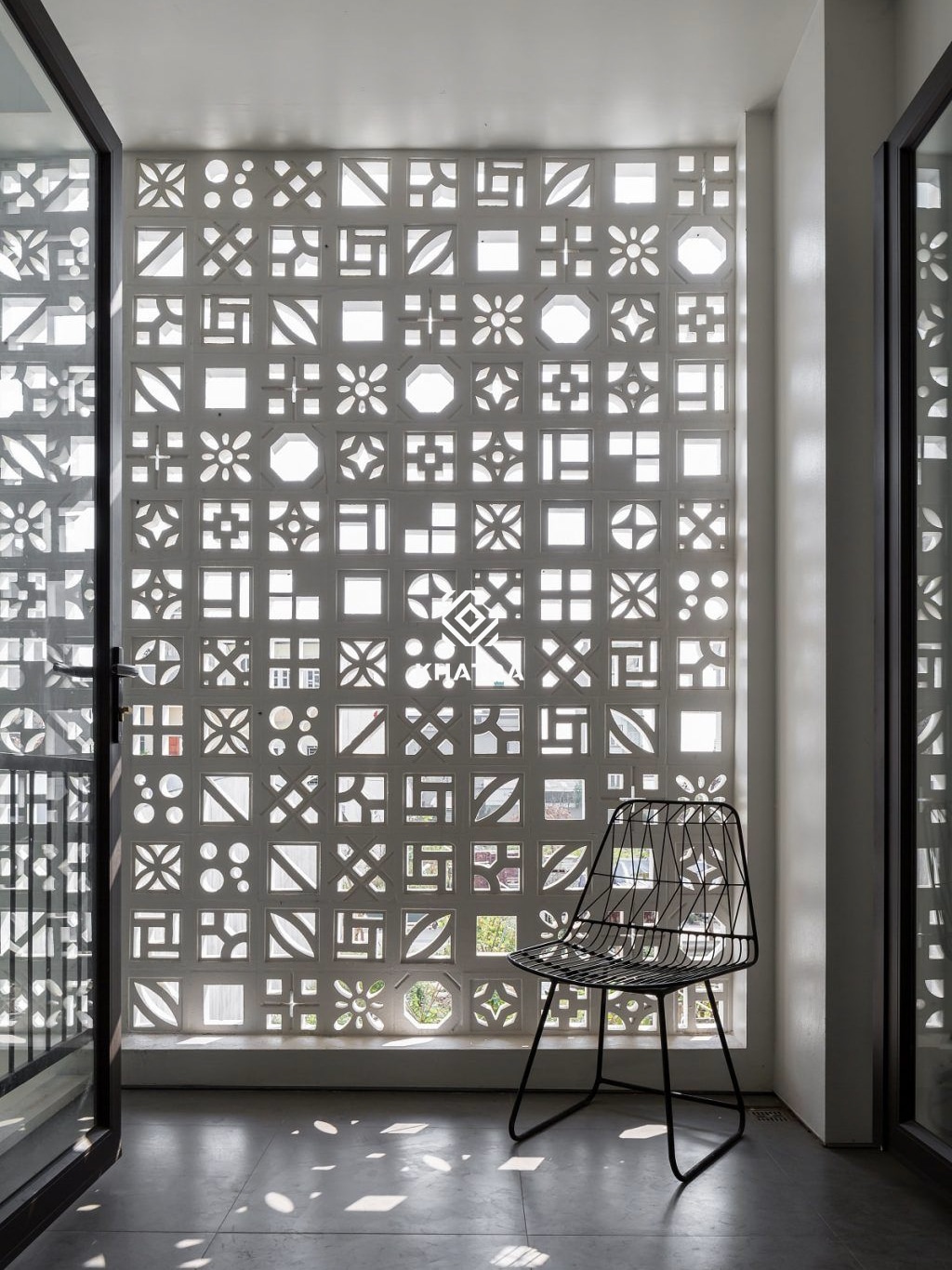
True to their name, breeze blocks are primarily used to provide ventilation for living spaces. Furthermore, the block’s hollow spaces allow natural light to filter through—reducing glare in areas with harsh sunlight while providing just enough light for dim spaces, tube houses, etc. You can use them standalone or combine them with glass blocks to create a distinctive aesthetic.

Breeze block wall for daylighting
4.2. Breeze Blocks for Facade Decoration
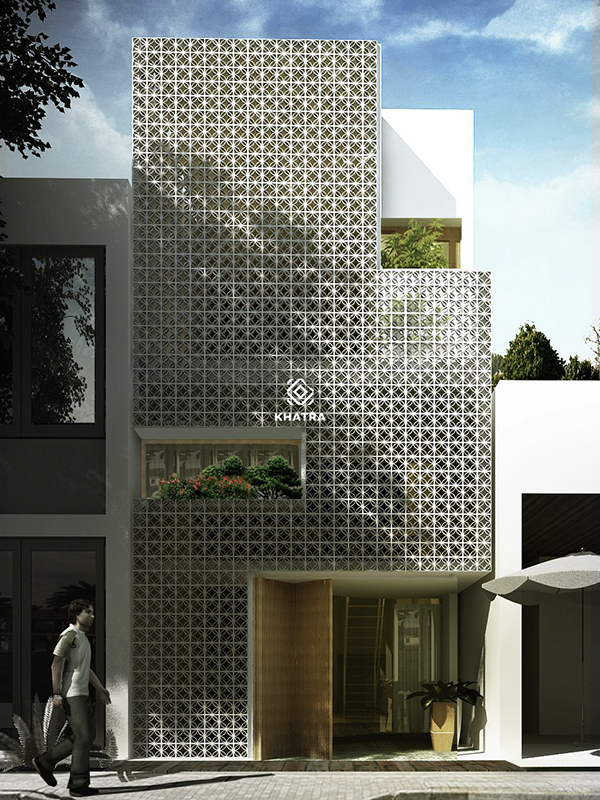
Commonly favored for west-facing houses. To reduce direct heat and sunlight, architects often opt for breeze blocks across the entire facade, making a four-story house feel as though it is draped in a screen that blocks harsh sun while still welcoming natural breeze and light.
Ventilation breeze blocks for facade wall
Red breeze blocks for facade cladding
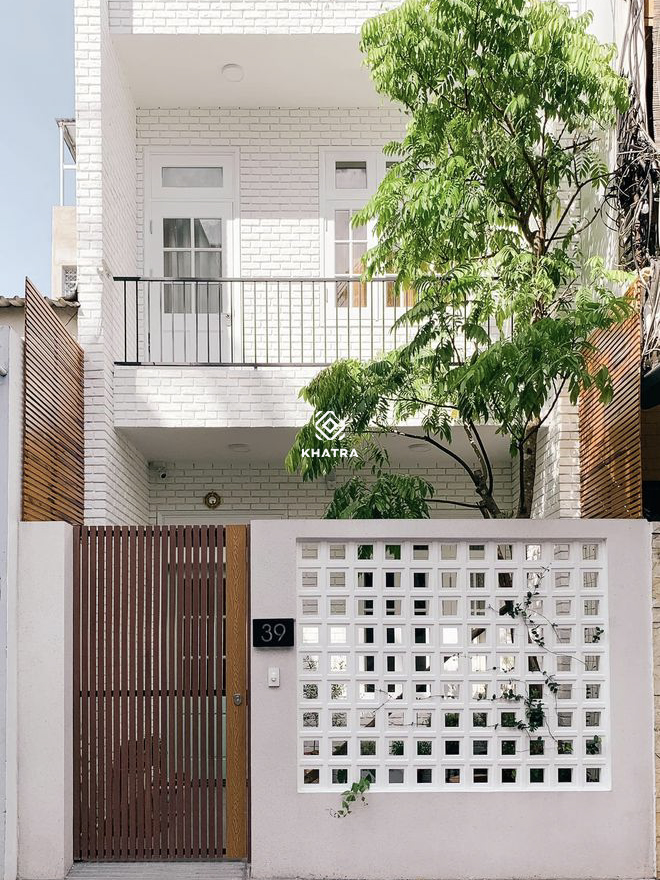
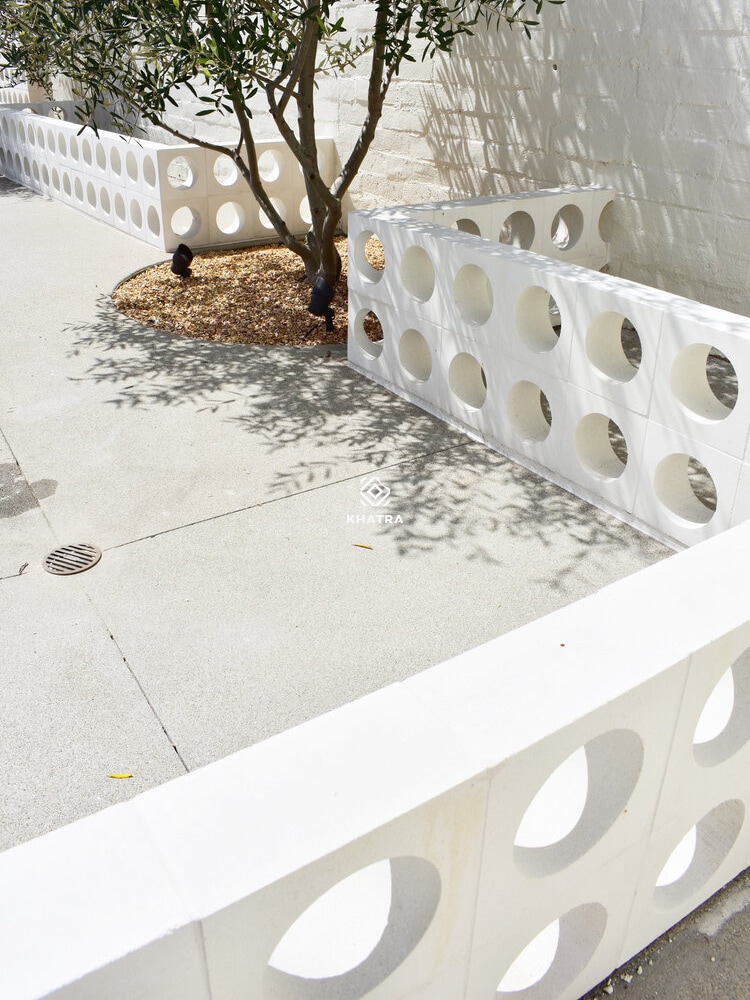
4.3. Decorative Blocks for Fences and Boundary Walls
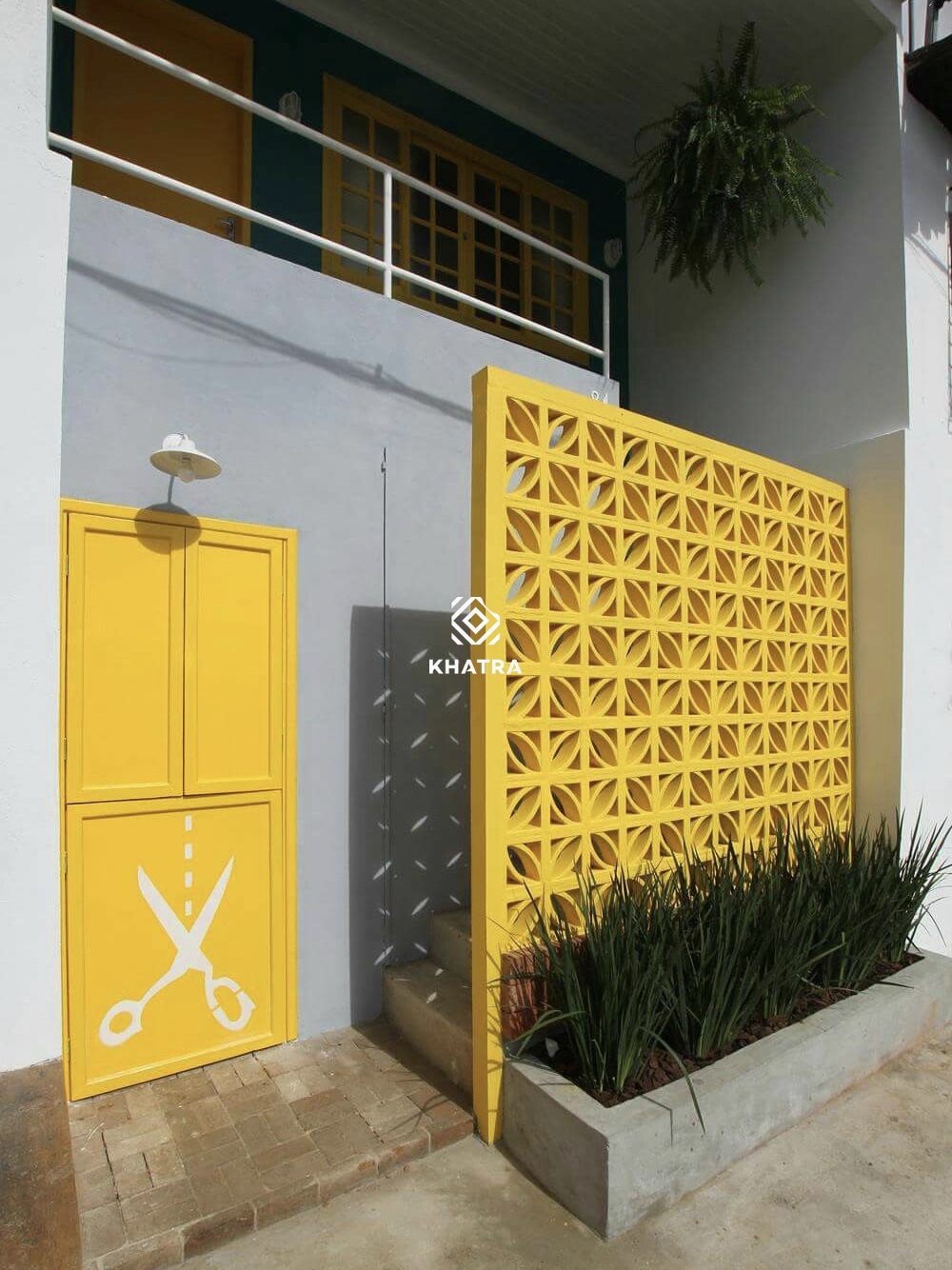
Using breeze blocks for fencing has been a timeless application, helping homes with small courtyards feel more open, airy, and well-lit with better airflow.
4.4. Breeze Blocks as Partition Walls
While decorative room dividers used to rely heavily on wood or CNC-cut metal, breeze block partitions have become increasingly popular recently because they are easy to construct and can be paired with various materials to create a space reflecting the homeowner’s unique personality.
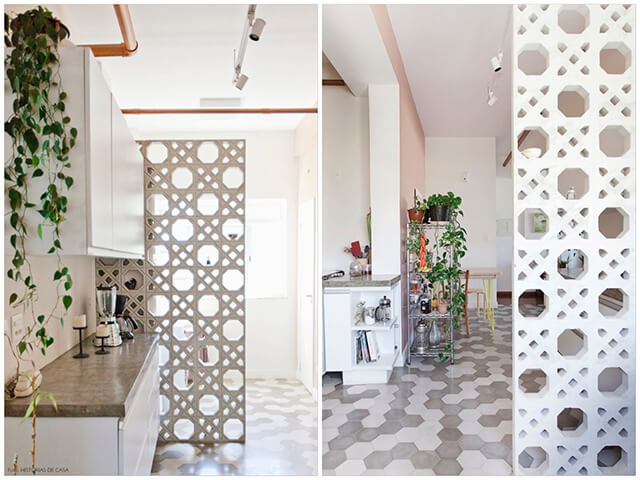
Breeze blocks for partition wall

Tu Diep breeze blocks for daylighting wall
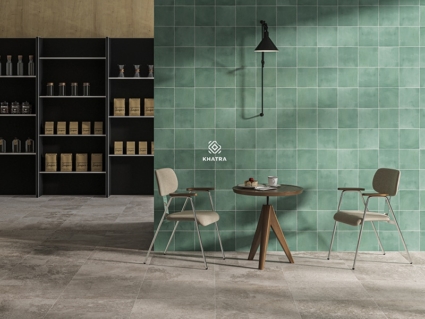
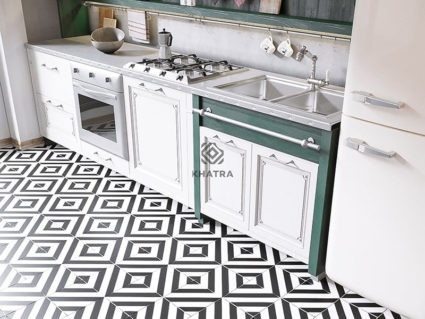
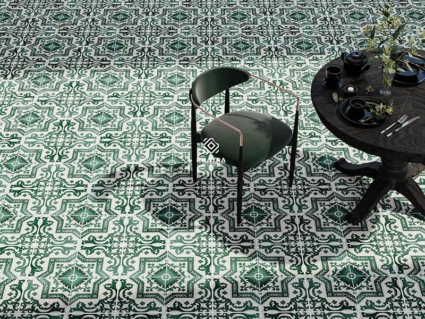
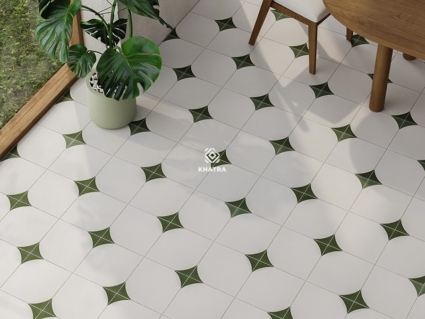
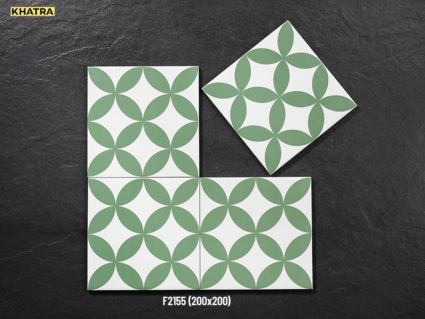
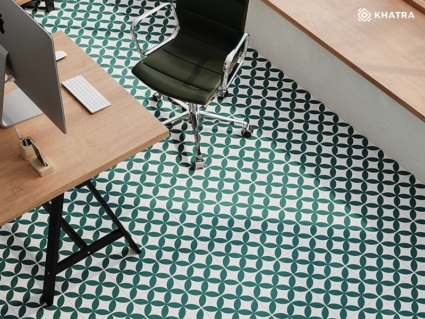
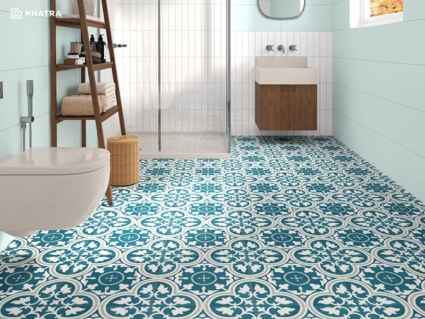
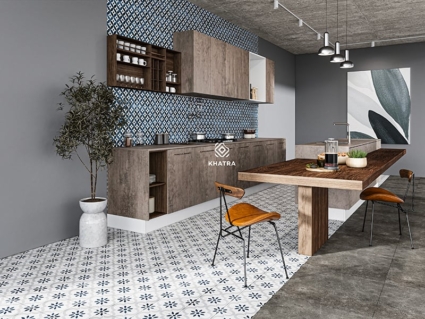
In addition to breeze blocks, Khatra also provides waterproof porcelain encaustic-style tiles with a full range of patterns from solid colors to multi-pattern mixes, suitable for all flooring needs: residences, shops, cafes, restaurants, homestays, etc.