Nowadays, in any construction project, various types of floor tiles are used. Floor tiles not only help enhance the aesthetic appeal of your space, but they also offer a certain durability and safety throughout their lifespan.
However, when choosing types of floor tiles, we must also pay attention to color harmony and balance, ensuring they fit the space, match the corresponding room design, and suit the characteristics of the tiles. To learn more details about the uses and types of floor tiles, please follow our article below.
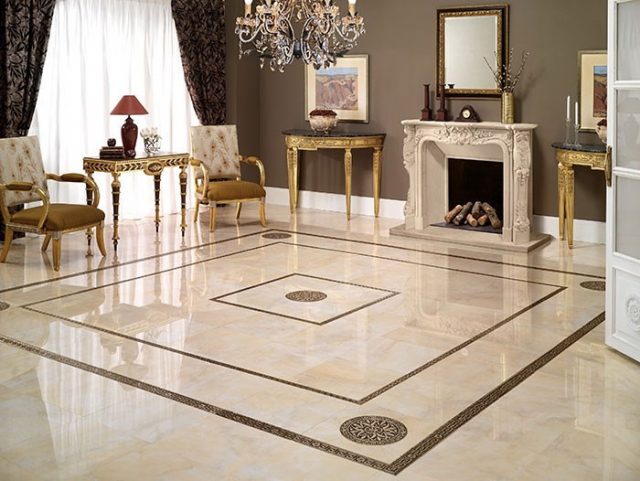
Learn about popular floor tile materials
Please follow the content of the article according to the sections below:
- 1. What is a floor tile?
- 2. Benefits of floor tiles
- 2.1. Aesthetics
- 2.2. Durability and safety
- 2.3. High applicability
- 3. Popular types of floor tiles
- 3.1. Ceramic tiles
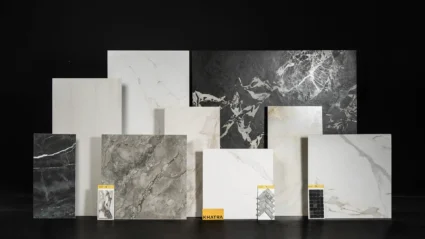
- 3.2. Granite tiles
- 3.3. Porcelain tiles
- 3.4. Natural stone
1. What is a floor tile?
Floor tiles are tiles specifically used for paving floors; floor tiles are diverse in designs, colors, and sizes. There are many types of floor tiles such as ceramic tiles, granite tiles, porcelain tiles, natural stone, etc.
Depending on needs and the pros and cons of each tile type, users will select the appropriate tile for their intended purpose.
Wall and floor tiles not only help enhance the aesthetic value of your space, but they also provide a certain level of durability and safety during use.
When designing your space, pay attention to choosing floor tiles that suit the area to create harmony, enhance aesthetics, make your space look sparkling and beautiful, as well as cozy, creating a friendly, harmonious feeling.
2. Benefits of floor tiles
2.1. Aesthetics
Floor tiles are manufactured in a wide variety of sizes, colors, patterns, and styles, giving you numerous options to best match your intended purpose.
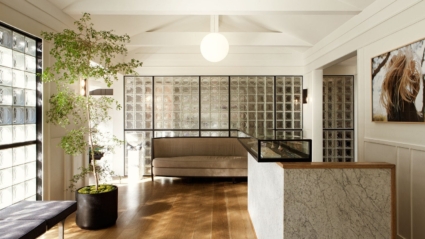
When choosing floor tiles for the living room, you should select tiles with elegant patterns and soft, refined color tones to create a cozy, gathering atmosphere after a tiring workday, while presenting sophistication when welcoming guests.
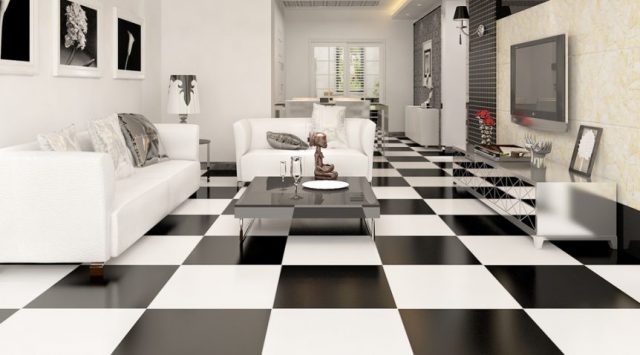
Highly aesthetic floor tiles
For kitchen floor tiles, it is best to choose dark-colored tiles with simple decorative patterns that are easy to clean and maintain.
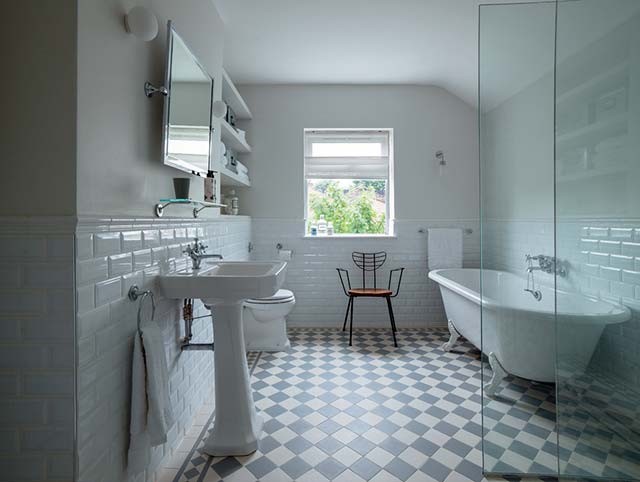
When choosing anti-slip bathroom floor tiles, you should opt for light-colored tiles combined with textured surfaces. Anti-slip tiles help you feel relaxed and prevent slips and falls.
Types of tiles for the bedroom can be chosen according to your personal preferences to always bring a delightful and joyful feeling.
In general, depending on the space and your intended use, choose the most suitable and corresponding floor tiles. Appropriate and harmonious patterns or colors will make your space luxurious and fresh.
2.2. Durability and safety
This is also an outstanding advantage of wall and floor tiles. High durability, good hardness, and excellent impact resistance help you save costs during use without worrying about the tiles being damaged or scratched throughout their lifespan.
There are many types of floor tiles corresponding to different price points—both affordable and expensive options exist—but they all fundamentally provide durability and safety in use.
2.3. High applicability
Floor tiles boast high applicability because they are stain-resistant, easy to clean, and maintain. Their long-lasting color retention over time prevents worries about damage during cleaning.
Furthermore, floor tiles are waterproof and slip-resistant, making them ideal for use in bathrooms so you do not have to worry about water penetration or slipping.
3. Popular types of floor tiles
3.1. Ceramic tiles
- Ceramic tiles are formed through a modern production line where clay is fired at high temperatures to create the body, followed by a thin glaze applied to the surface.
- This type of tile comes in diverse designs, colors, and looks beautiful, which is why it is widely used today.
- These tiles are suitable for areas with high moisture and standing water due to their quick water-absorption properties.
3.2. Granite tiles
- Granite tiles are manufactured mainly from stone powder and clay in a 70/30 ratio, fired at temperatures above 1200°C.
- This is a type of tile with high colorfastness that does not fade over time, features very attractive designs, and delivers exceptional durability throughout its use.
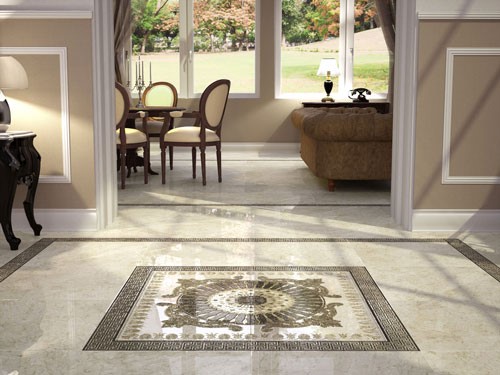
Granite floor tiles
3.3. Porcelain tiles
- This is a premium type of tile with extremely high hardness, great pressure resistance, non-fading color, and excellent water resistance, all at an affordable price.
- Originating from Italy, this type of tile is environmentally friendly and particularly diverse in design styles and models.
3.4. Natural stone
- These are stone tiles cut directly from natural stone used for flooring.
- The advantage of natural stone tiles is that they are very hard, glossy, highly colorfast, and non-slip. Moreover, they are unique and distinctive, creating an individualized style for your space.
- This material also has the disadvantages of a relatively high price point, more difficult installation, and fewer pattern choices.
Above is our article introducing the benefits as well as popular types of floor tiles. We hope that this article provides you with useful information when selecting the right floor tiles for your home.