Are traditional staggered, straight, or perpendicular tile layouts getting too boring, and you are looking for other tiling suggestions to spark your creativity? Here, Khatra provides several tile laying pattern ideas for your space.
1. Tile Laying Patterns

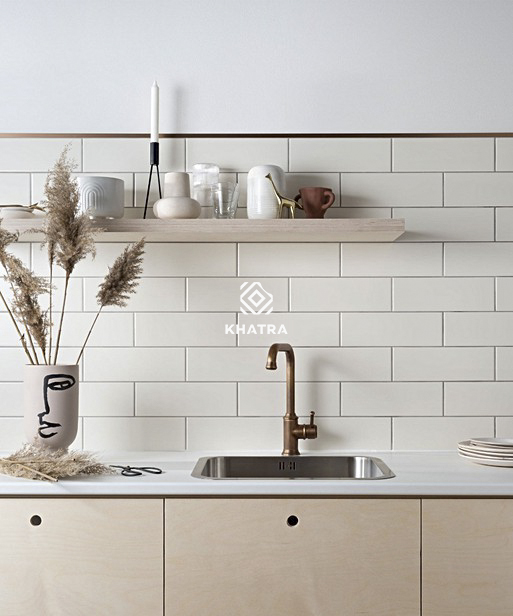
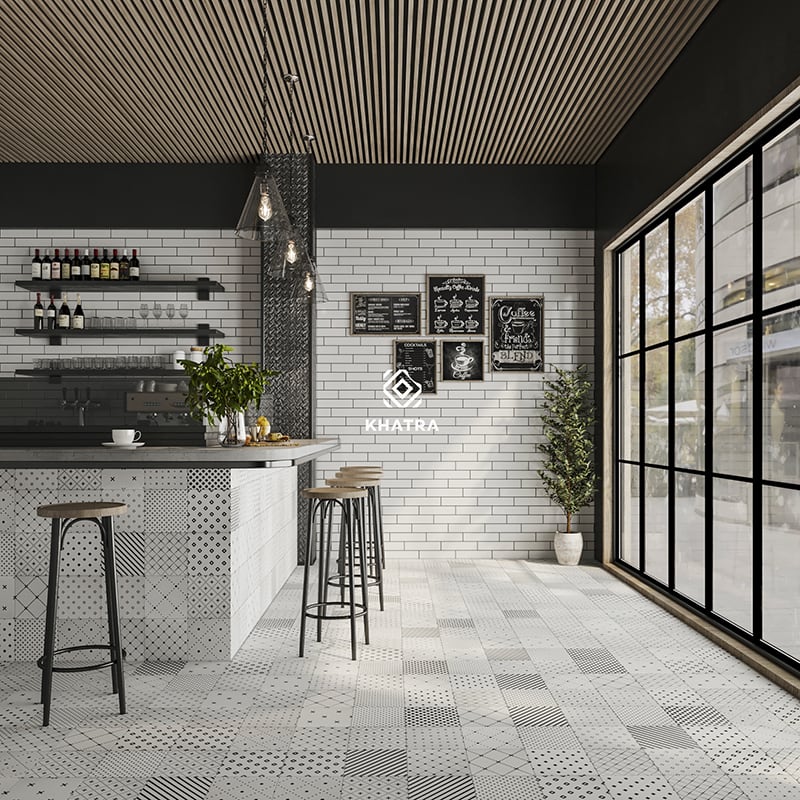
Small Format Brick Bond
As the most traditional tiling style, the 50:50 bond is suitable for tiles sized under 300x600mm, typically subway tiles. When laying tiles in this pattern, an additional 10% should be accounted for cuts and breakages.
Staggered Brick Bond
For modern spaces, you can use a staggered brick bond (usually 70:30) to make a room appear larger. Can be used for all tile formats.
Stepladder
Also known as a vertical brick bond, this layout creates the illusion of height, often used for feature walls. Suitable for tiles sized under 300×600 and requires an extra 10% for cuts.
Stepladder Large Format
The vertical stepladder pattern for medium and large format tiles such as 300×800, 150×800, 600×1200, etc., should use a 70:30 ratio to prevent bowing during installation.
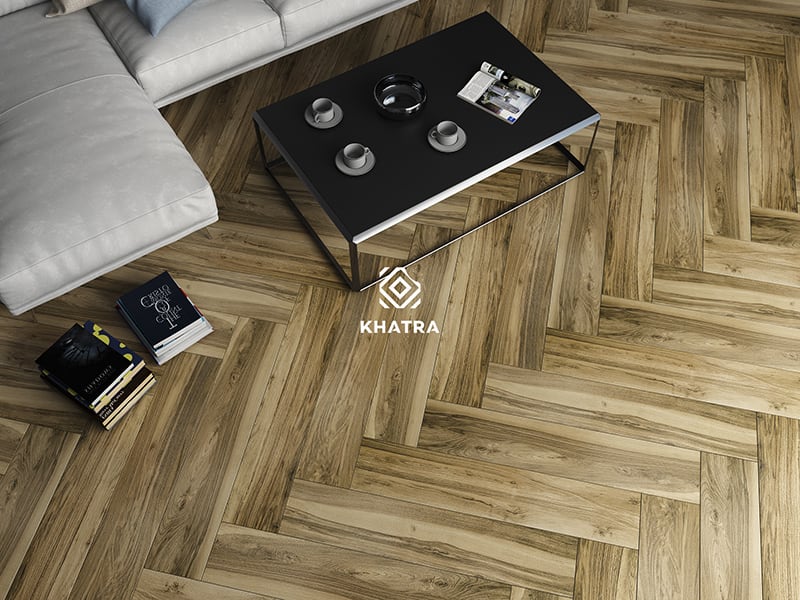
Horizontal Herringbone
To accommodate any cuts or breakages, herringbone tiling requires an extra 15% of tiles for cutting and joining.
Vertical Herringbone
While horizontal herringbone helps visually widen a room, the traditional vertical herringbone draws the eye upward to create height.
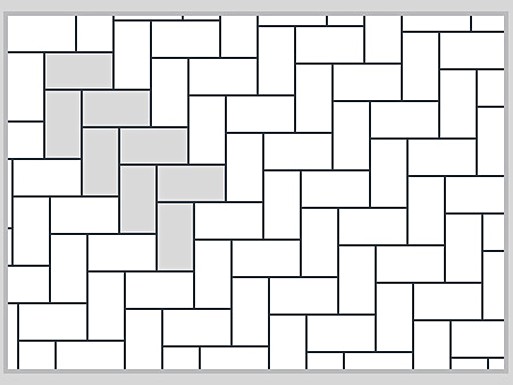
Block Herringbone
The block herringbone pattern creates a wall surface with a bold graphic statement.
Double Block Herringbone
Get creative with a modern double block herringbone pattern.
Linear
Create a modern space by aligning square tiles in neat, straight grids, using contrasting grout lines to make them pop.
Linear Brick
Make a modern statement with rectangular tiles by stacking them in straight lines.
Square Brick Bond
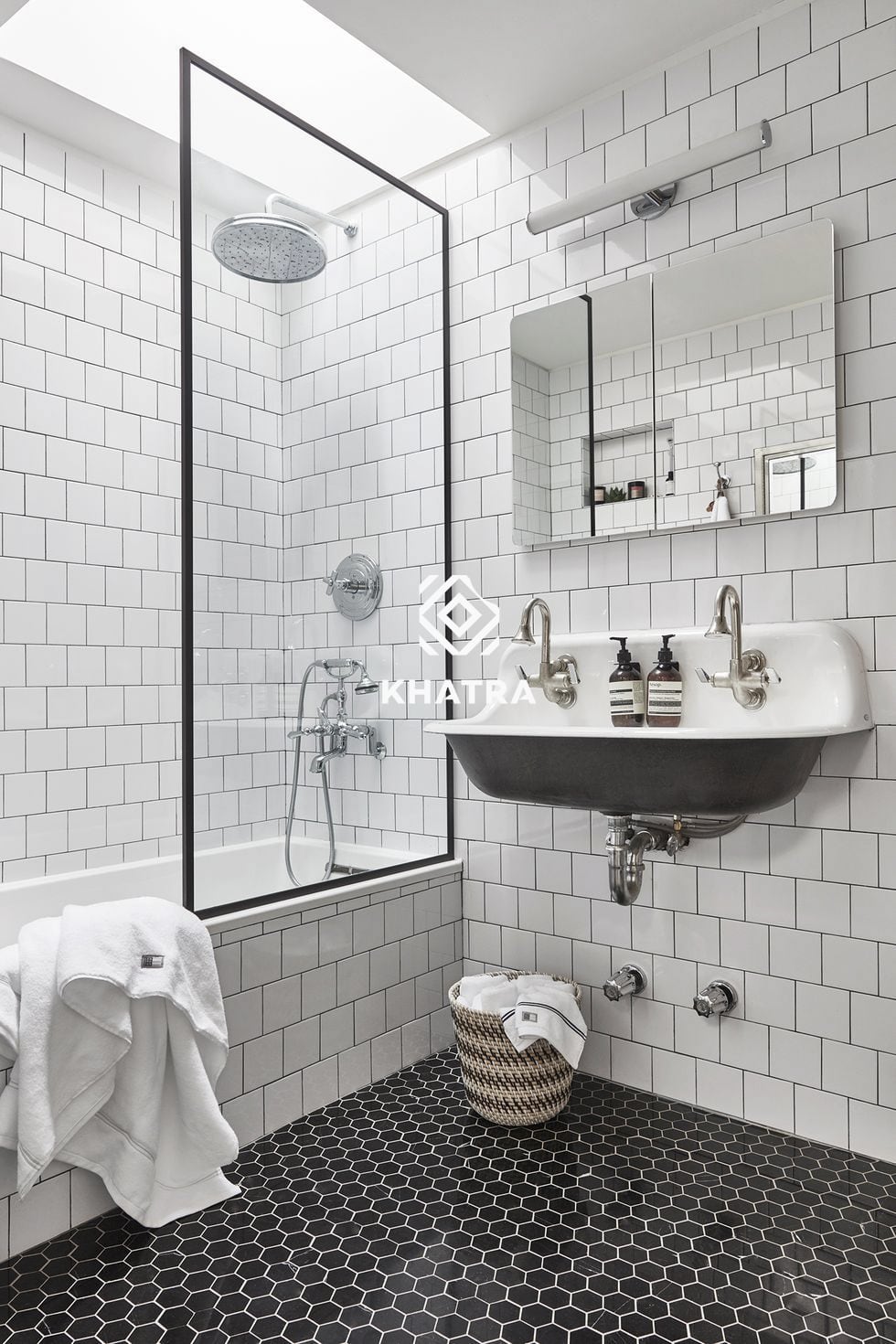
Recreate the traditional Victorian style with a 50:50 bond for square tiles smaller than 300x300mm.
Staggered Aquare
Used for traditional 200×200 tiles in contemporary styles, offsetting grout lines and using contrasting colors helps define the tile shape.
Diamond
If you want to apply the diamond pattern, be prepared for a lot of cutting, and you will need an extra 20% of tiles for cuts and breakages. All cuts around the outer edges of the surface must be uniform.
Hexagon
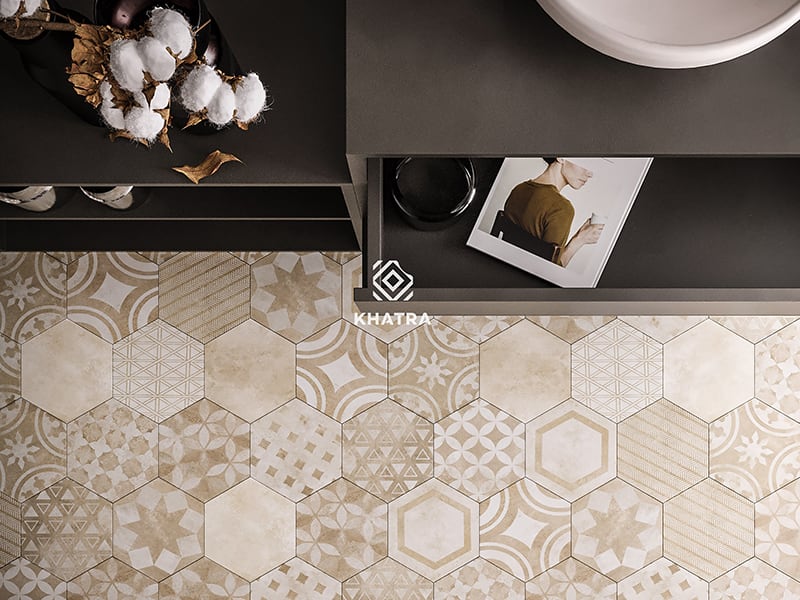
This is the traditional honeycomb layout for hexagon tiles; note that an extra 10% of tiles should be accounted for cuts and breakages.
Fan
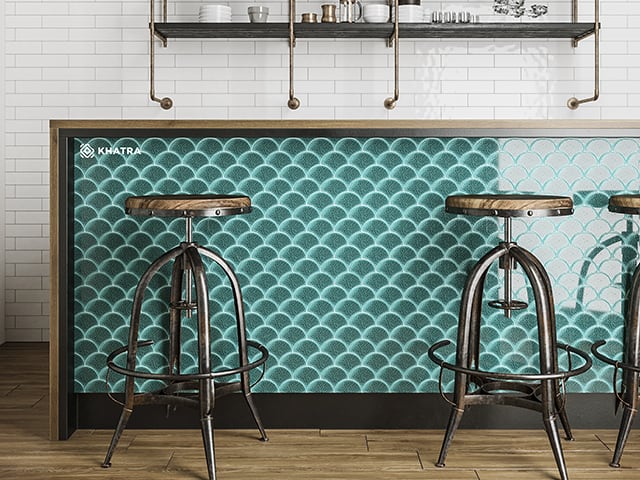
Used for Moroccan tiles; placed upright, it resembles a fan with Art Deco inspiration. If you choose to place it sideways, it looks like fish scales.
Modular
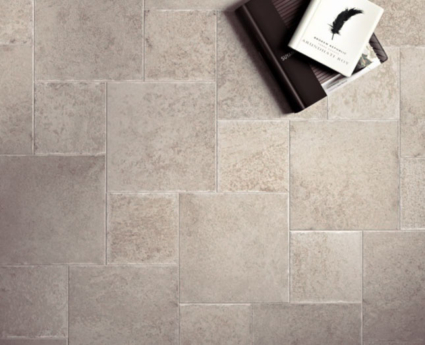
Often determined by the size of the wall or floor area being tiled, the Modular layout arranges repeating tile patterns. When tiling floors in this pattern, you should prepare an extra 10% for cuts and breakages.
Basket Weave
Mimicking 1930s parquet flooring, the basket weave creates a playful pattern from the finest tile pieces. To achieve this look, rectified-edge tiles are ideal, allowing you to use a 1mm grout joint.
Windmill
This design works within the same tile range by cutting down a suitably sized square tile, or you can create the pattern using two different tile ranges of precise dimensions.
2. Illustrative Tile Applications
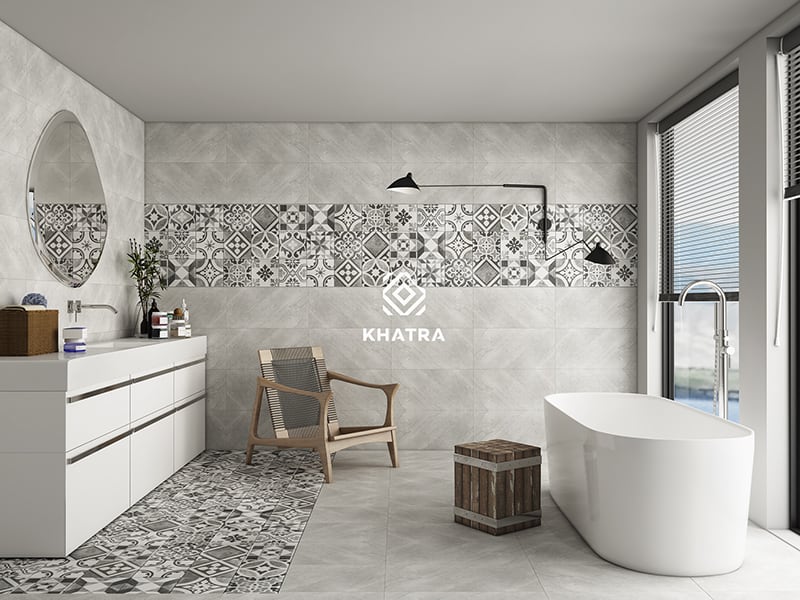
Khatra introduces available tile models laid out in the 18 styles above to give you an overview, making it easy to choose the right tiles and laying pattern for your space.