You will surely be impressed by the interior design styles featured in magazines, websites, or blogs dedicated to architecture and interiors. However, when it comes to decorating your own home, you might feel confused because you don’t know which style to follow or what the characteristics of each style are to truly express the right interior design style for your living space.
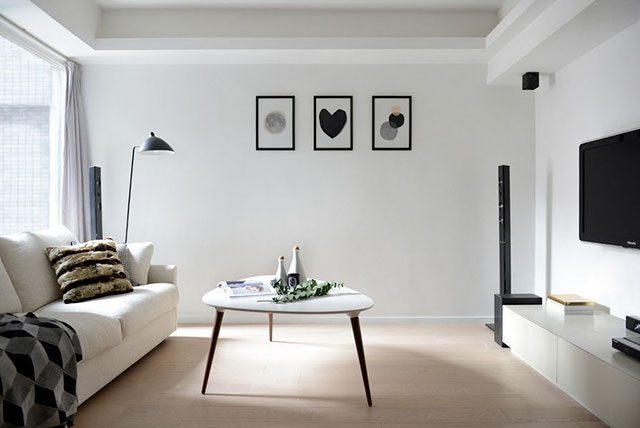
What do you like about the space above? Or do you simply find the overall space beautiful? Have you ever wondered why the wall is hung with 3 simple picture frames like that, or why there is just a very simple 3-legged table sitting in the middle? Because this is a minimalist interior design style, everything must be simple and tidy, just like its name suggests.
Interior decoration is personal, and that is what creates each individual’s unique character. However, it is essential to properly define the right interior design style. And it is not difficult to do this if you grasp the most basic yet most important elements of each style.
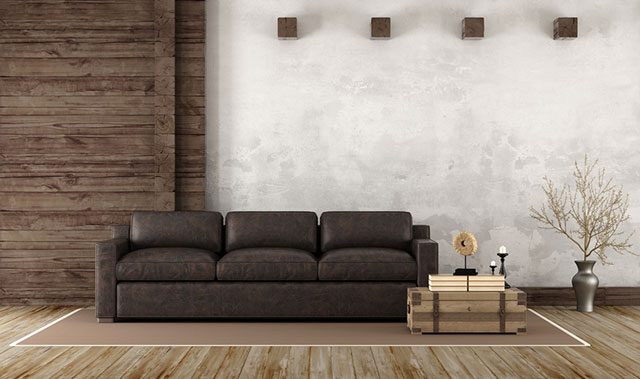
It is wonderful to discover what you like and what you need to do to decorate your home. That is why we wrote this article to help you identify your own decorating style. Once you find your decorating style, it will be easier for you to research and learn in order to perfect the interior decoration of your home.
Bohemian Style (“Boho-Chic”)
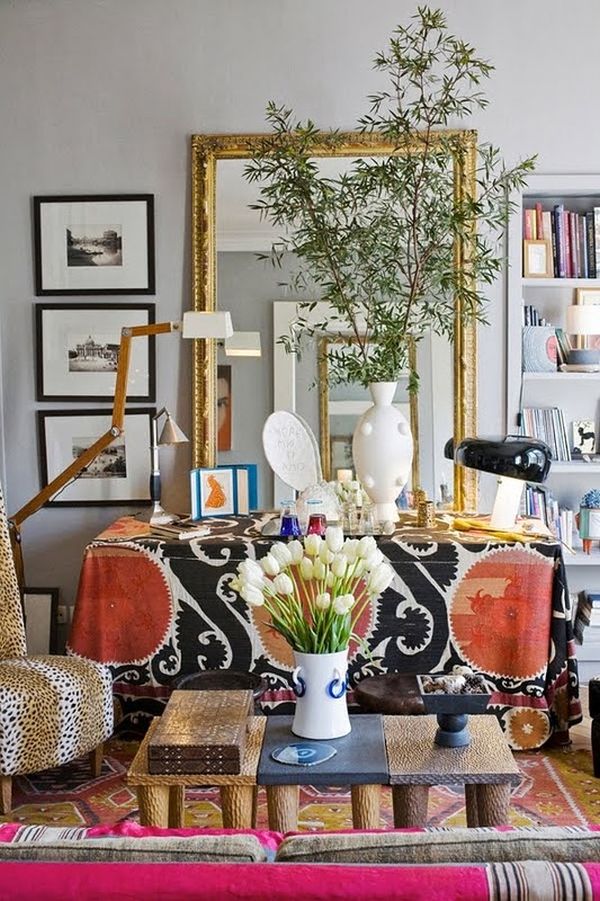
Bohemian or Boho-chic style is deeply rooted in the nomadic spirit, making it easy to recognize its sense of freedom and openness. Rustic items and brightly woven coarse fabrics are prominent in this interior design style; moreover, the seemingly cluttered arrangement actually maintains unity and flow. The Boho-chic space is ideal for individuals with distinct personalities who are wild yet deeply artistic.
Coastal Interior Design Style
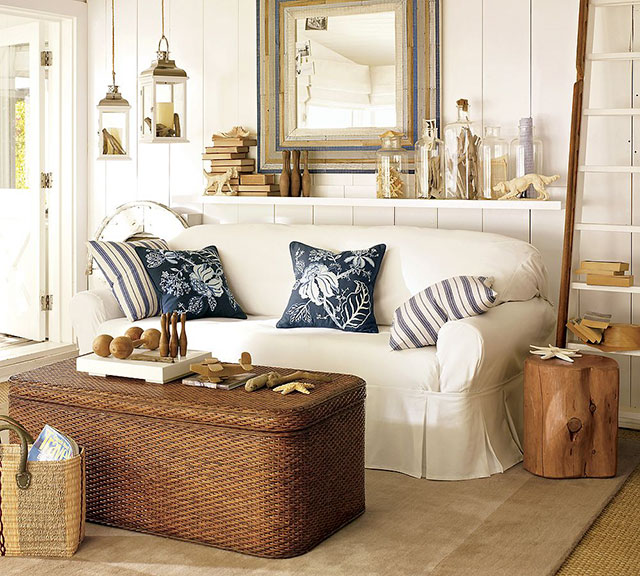
The name itself speaks to the characteristics of this interior design style—everything stems from coastal inspiration. This style focuses on comfort, relaxation, and serenity, which is why nature-friendly materials like wood and rope are frequently used. Sofas upholstered in soft fabrics evoke the feeling of relaxing on smooth golden sands. Starfish or seashells are indispensable decorative items to evoke a sense of closeness to the ocean.
Contemporary Style
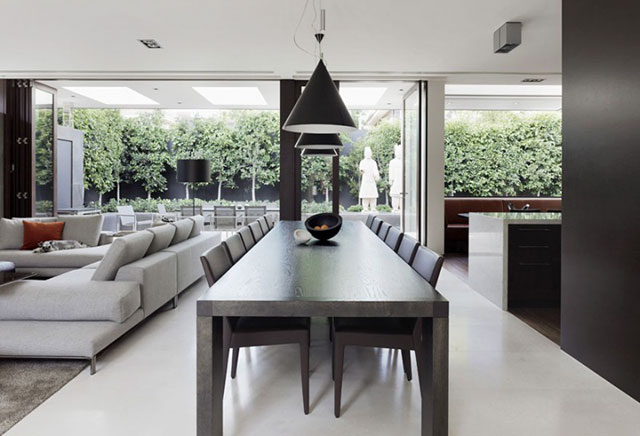
Contemporary style is based on the present time and place, neither nostalgic nor anticipating future trends. This style is neither too warm nor dull, neither cold nor harsh; it is very simple. At the same time, clutter does not exist in a contemporary space, while design elements remain neutral, crisp, harmonious, and highly sophisticated. The colors commonly used are also neutrals, white, and especially dark tones like black and deep brown, which define spaces using the Contemporary style. This interior design style emphasizes natural light, resulting mostly in open spaces that maximize daylight.
Cottage Style
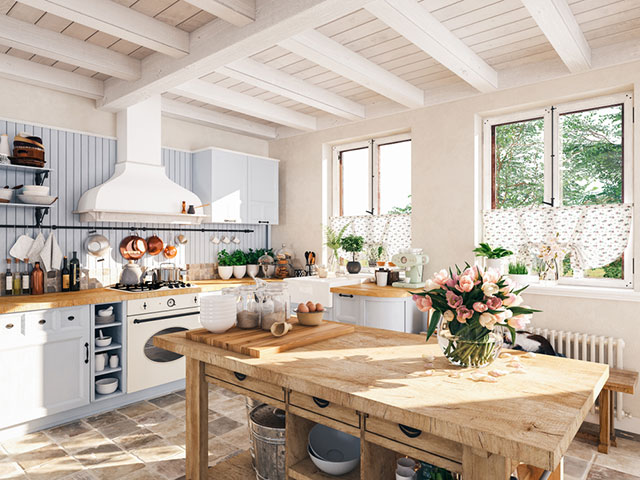
Cottage style is cozy and welcoming, revolving around simplicity from objects that are sometimes distressed or repurposed. You will rarely find modern-designed items here, but it is all intentional to create a rustic, country-inspired overall aesthetic. Wood elements in tables, chairs, floors, or ceiling beams are typical features; sometimes types of floor tiles made from traditional terracotta are also used to enhance the rustic feel while remaining elegant and harmonious.
Eclectic Style
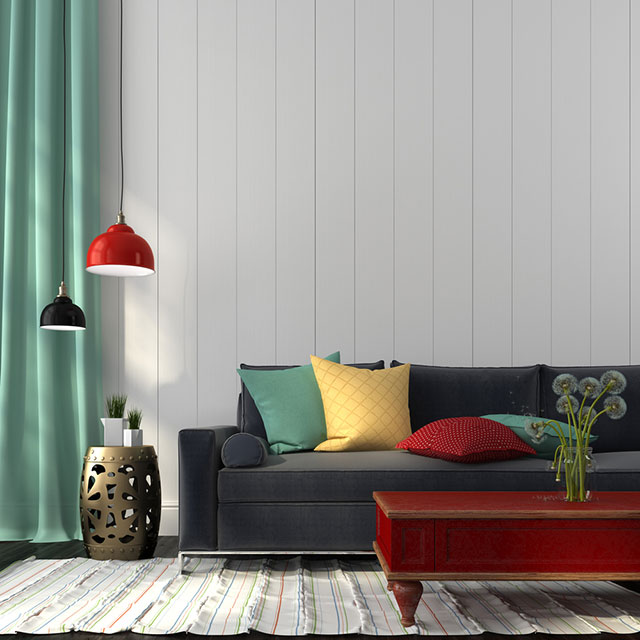
Eclectic style embraces free expression, breaking rules, and mixing and matching. More than any other interior decor style, eclectic style combines bits and pieces from various styles together in a single space. You might see a vintage table in a modern space paired with a modern sofa and rug, but the tone of the table is repeated in the chandelier and throw pillows to create an overall harmony—that is one of the unique aspects of the eclectic interior design style.
See more Eclectic Design Style.
Industrial Interior Design Style
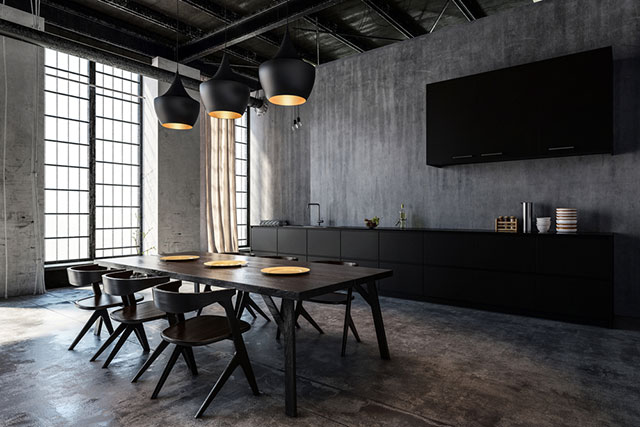
This is a style for bold personalities due to the raw edge it brings. The defining feature is a raw, slightly tough look combined with original surrounding elements, easily recognizable by exposed cement walls or floors. Or iron tables, chairs, and door frames preserved in their original raw colors. Despite its roughness, there is meticulousness and order demonstrated through the organized arrangement of items.
Nowadays, modern cement-look tiles with superior quality used for decoration can completely replace traditional cement. Discover more about cement-look tile collections here.
Mid-Century Style
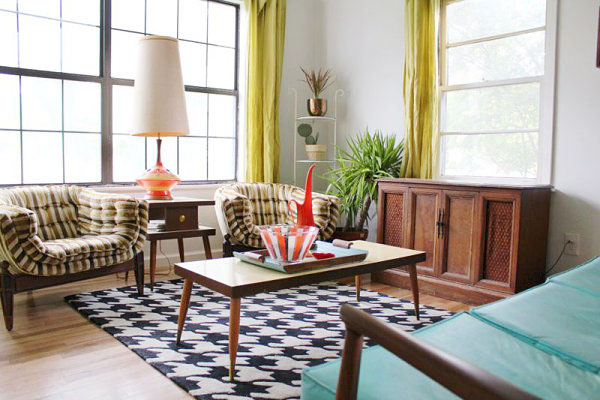
The Mid-Century style was born in an era transitioning between the old and the new, characterized by geometric shapes, contemporary patterns, and unique accents. Elements in this style are often simple and uncluttered, with a strong integration between natural and man-made materials.
Minimalist Style
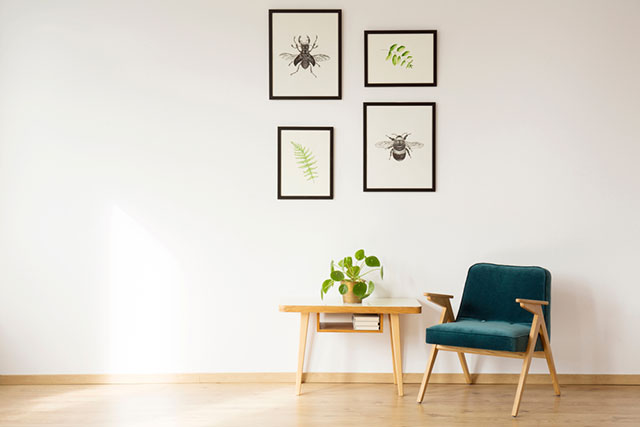
This style embodies the aesthetic of practical simplicity. A minimalist space is neatly organized, containing only the most essential items that provide decorative impact while eliminating excess items and details as much as possible.
Moroccan Interior Design Style
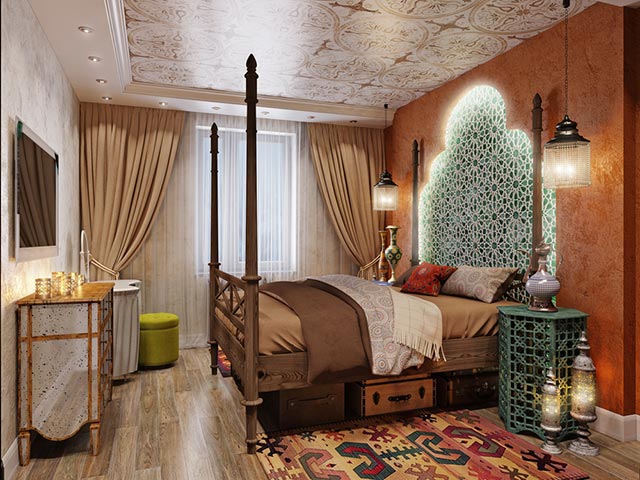
Moroccan bedroom space using wood-look floor tiles
Moroccan style has a long history, distinguished by its colors and textures. Moroccan design is a curated blend of styles from various continents such as Africa and Europe. Unique, intricate patterns paired with vibrant colors are the signature hallmarks of this style.
Rustic Style
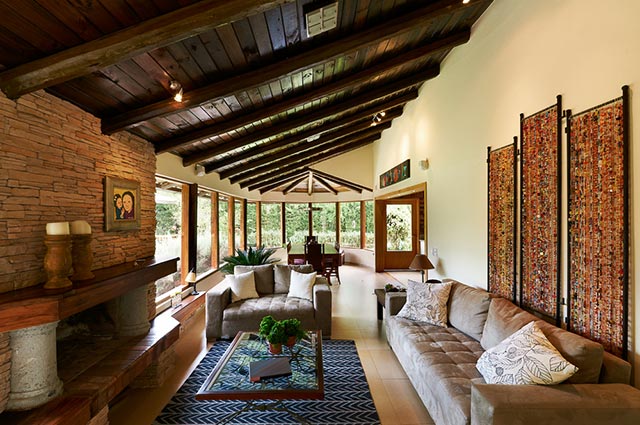
Rustic style suits an orderly, straightforward lifestyle. Items in a rustic interior space are often pre-owned or repurposed from old objects. Besides wood materials, stone and rough fabrics are indispensable decorative elements of the Rustic style.
Scandinavian Style
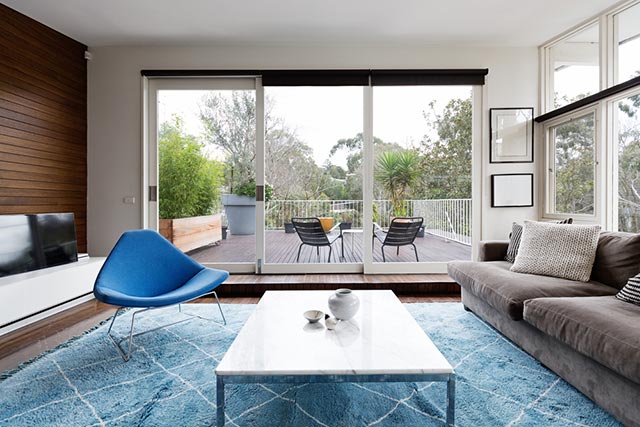
Swedish style, also commonly known as Scandinavian style, has a core focus on warmth, simplicity, and refined elegance. Influenced by Scandinavia’s snowy Northern European climate, white is the primary color in this style, while wooden floors and wooden furniture are essential to create a warmer feel. Additionally, touches of green or blue always serve as striking accents amid the bright, sophisticated white space.
Traditional Interior Design Style
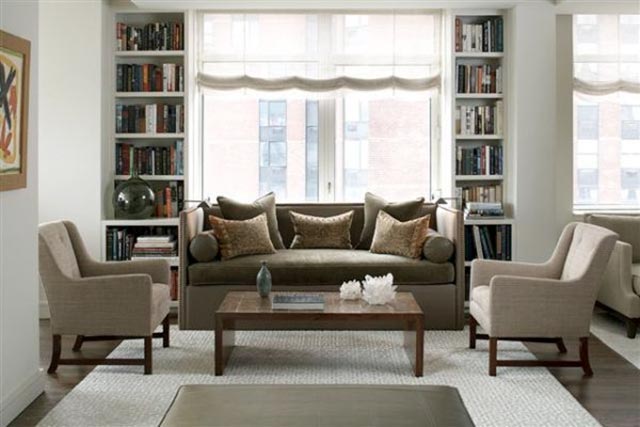
Traditional interior design style originated during the colonial period in Europe, presenting a style where we always find rustic elegance with a romantic touch. All decorative pieces and essential items are arranged in orderly symmetry; while we rarely see rule-breaking elements here, it is precisely this classic layout that creates a sense of peaceful tranquility.
Tropical Style
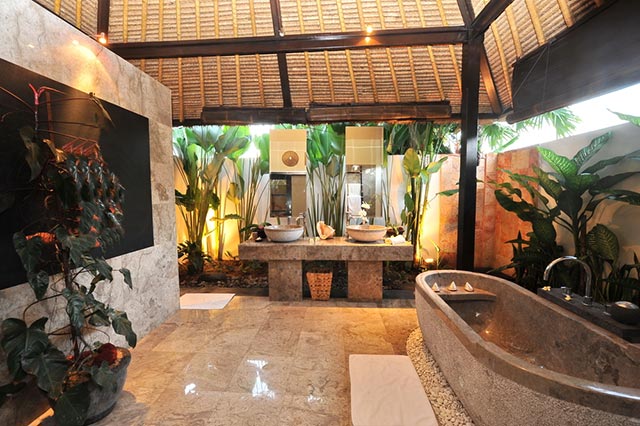
Inspired by tropical lands, tropical style stands out with the lush greens of tropical forests and the blues of the sea. Inside this space, we feel as though we are on a cool, tranquil island surrounded by the sea, staying close to nature.
Vintage Style
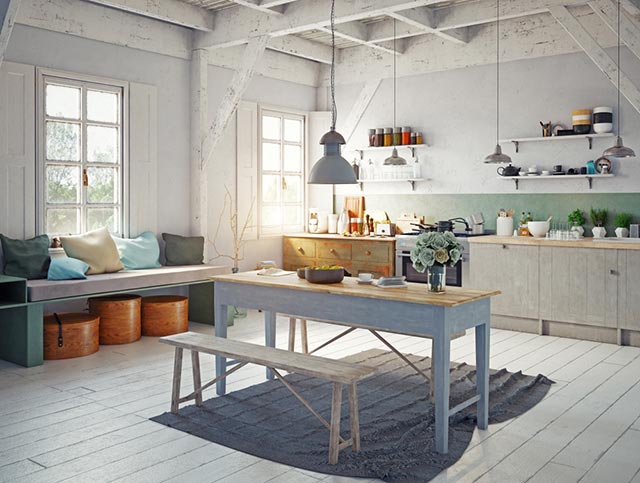
Unlike classic style—which represents timeless luxury—the Vintage interior design style stands out with nostalgic items that have been in use for decades. Aged tables and chairs, wooden kitchen cabinets, or retro ceiling lights always bring a comforting feel and evoke memories of the past.
Classic Italian Style (Tuscan)
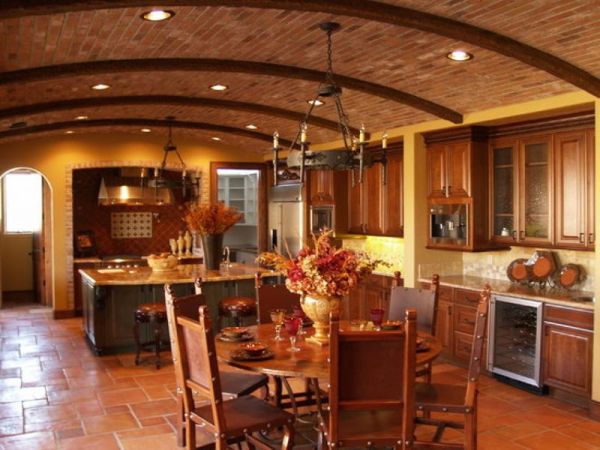
The Tuscan style is based on Old World decor, full of color, textured, and rich in historical elements evocative of Italy. Natural raw materials such as wood and terracotta floor tiles are used seamlessly from the floor to the ceiling, which is why we often see warm tones dominating homes designed in the Classic Italian style.
Wall and floor tiles are also an essential component contributing to harmony and distinct character in each style—for example, cement-look granite tiles are often used in Industrial style, wood-look tiles are common in Rustic style, etc. Contact us today for personalized advice on choosing tiles that match your home and suit your interior design style preferences.
Source: Houzz