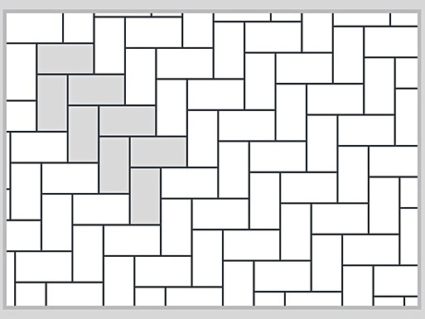
Tile grout is the gap between two tiles. To fill this gap, people use tile grout sealant / grout powder. Grout powder is a highly adhesive powder that tightly seals the contact points between tiles, providing absolute protection for floors/walls against water and insect penetration while increasing the longevity and aesthetics of the house. In addition, grout styling is currently considered a decorative method; a black wall section will truly stand out with contrasting white grout lines.
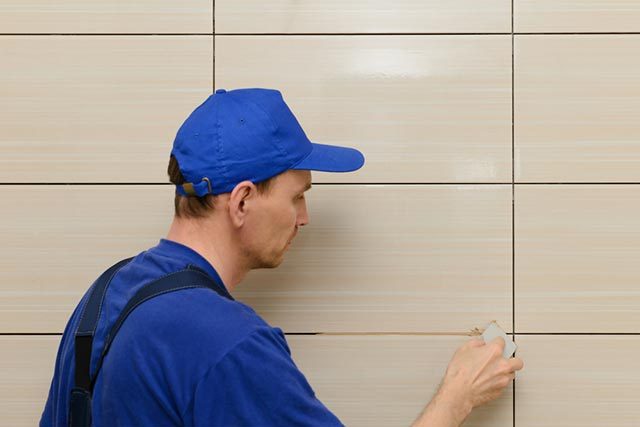
However, during use, the grout lines tend to get dirty very quickly, especially bright white grout lines. This significantly affects aesthetics and looks very unpleasant. Therefore, periodic grout cleaning is extremely necessary. So, how do you clean tile grout properly to keep it clean without causing damage?
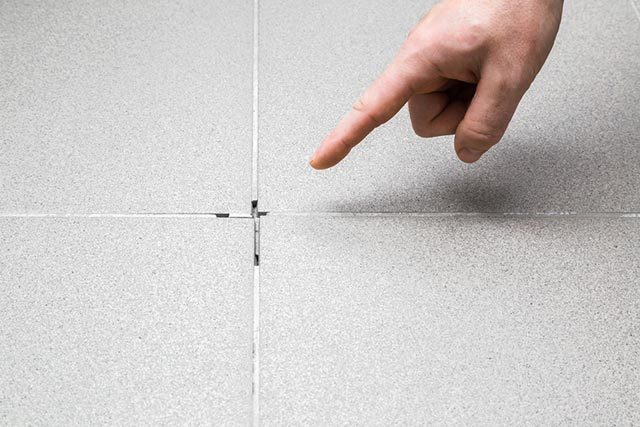
Damaged tile grout phenomenon
If you use strong bleaching chemicals, they will certainly clean the grout quickly, but accidentally some active ingredients in the cleaner can erode the grout and, worse, damage the grout lines. The guide below will help you clean effectively, restoring the aesthetics of your living space while ensuring the longevity of your tile grout.
1. Simple Methods
1.1. Using a Steam Cleaner
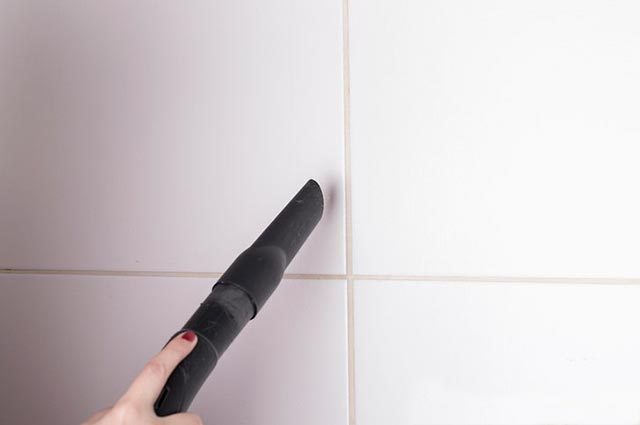
This is the simplest method without using any chemicals; naturally, this method only applies to lightly soiled grout. Additionally, this method is suitable for softening stains before using cleaning agents on tile grout. For this method, you need a high-pressure steam device to spray directly onto the grout lines. Thanks to high pressure, the steam penetrates and forces the dirt out. Watch the detailed video for more.
1.2. Using Baking Soda and Vinegar
Baking soda is commonly used in cooking and baking; it is completely harmless to health and has numerous practical uses, including cleaning tile grout.
Here is how to do it: mix a small amount of baking soda with enough water to form a paste, then use a toothbrush (you can reuse an old one). Dip the toothbrush into the baking soda mixture and gently scrub the grout surface, preferably in circular motions for a better cleaning effect.
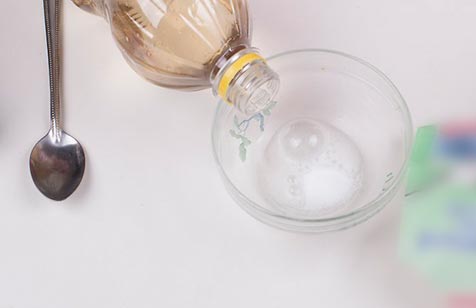
After scrubbing the grout with baking soda, use a spray bottle to mix water and vinegar at a 1:1 ratio and spray it evenly over the scrubbed grout lines. You will see a bubbling reaction; leave it for about half an hour. Then, use a toothbrush to scrub once more over the baking soda and vinegar mixture to remove all dirt clinging to the grout. Finally, rinse thoroughly with clean water.
If the baking soda and vinegar mixture fails to remove tough stains on the grout surface, you can replace vinegar with hydrogen peroxide solution. Hydrogen peroxide releases oxygen where it touches, creating a bubbling reaction that helps lift away stubborn dirt.
Note: Before using hydrogen peroxide instead of vinegar, ensure the grout has been completely rinsed of vinegar to prevent vinegar from reacting with hydrogen peroxide to form toxic compounds.
1.3. Using Borax and Lemon Juice
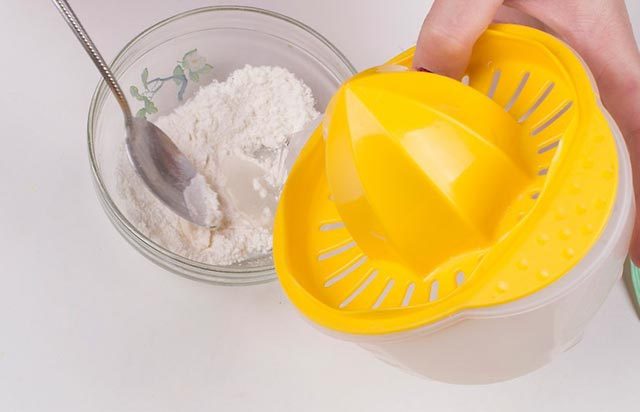
Mix borax and lemon juice in a ratio of 1 part borax to 2 parts lemon juice, and add a small amount of liquid dish soap. Use a toothbrush to scrub the grout lines with this mixture, then rinse thoroughly with warm water.
2. Cleaning Tile Grout with Stronger Products
2.1. Oxygen Bleach Products
These products mainly consist of hydrogen peroxide compounds and soda crystals (similar to the home mixture mentioned above), but commercial products offer significantly better performance than DIY solutions. Notable brands include: Clorox, OxiClean, Oxi Magic, and Bio Kleen. These products usually come in powder form and need to be diluted with water according to specific instructions on the packaging.
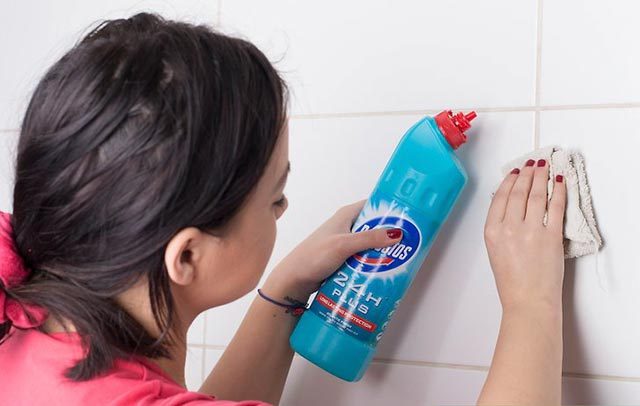
For best results, after scrubbing the mixture onto the grout lines, leave it for about an hour before rinsing with clean water. Important notes when using these products:
- Avoid direct contact with skin; it is recommended to wear gloves and use products in well-ventilated areas.
- Before applying to the entire area, test a small amount on an inconspicuous grout line to check if the product causes any damage.
- For decorative or colored grout, we advise against using these bleaches as they may cause discoloration.
2.2. Using Specialized Grout Cleaners and Whiteners
While home remedies can do a great job, they always carry a minor risk of damaging grout if improperly prepared. To ensure tile grout is cleaned safely without damage, consider using specialized grout cleaning products. Popular brands include: Zep, Goo Gone Grout, Outrageous, Tilex Tile and Grout.
3. Tips for Cleaning and Maintaining Tile Grout
3.1. Be Careful with Chemical Combinations
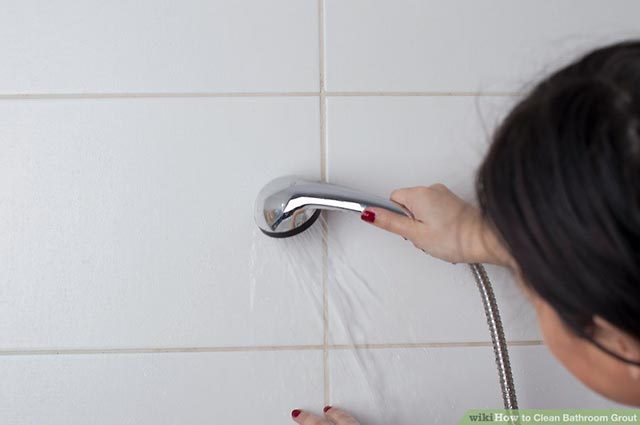
In case you use a cleaner that fails to achieve the desired result and want to switch to another product, make sure the grout area is thoroughly rinsed, dried, and left for at least one day before using a different product. Similar to the case of switching from vinegar to hydrogen peroxide, combining vinegar and hydrogen peroxide creates peracetic acid. Mixing different cleaning chemicals can produce toxic fumes and corrosive substances.
3.2. Clean Tile Grout Regularly
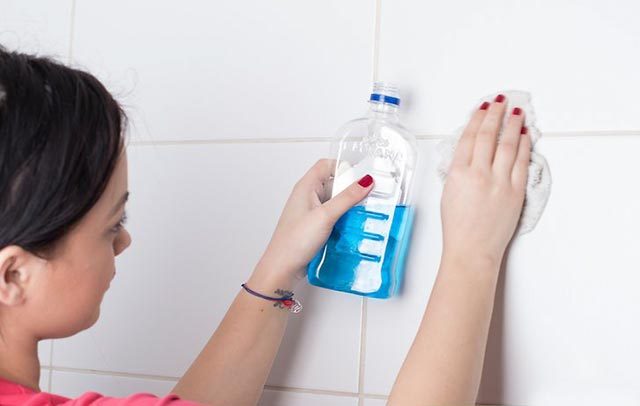
Cleaning grout regularly saves you time in the long run; leaving it dirty for extended periods makes it much more time-consuming to clean later. Once a week, you can use rubbing alcohol to wipe down the grout lines without needing a brush—simply dampen a dry towel with alcohol and wipe the grout. Beyond cleaning common stains, alcohol effectively helps prevent mildew growth.
3.3. Always Keep Grout Dry

In kitchens or bathrooms, wipe floor and wall tiles dry after use; this helps grout stay fresh and new. Particularly in humid bathrooms, moisture creates an ideal environment for mold and mildew to develop on grout. Reduce humidity in these areas by running exhaust fans or using ventilation fans to blow moisture out.
Source: Wikihow